Get in touch with Welong Company
Drill Pipe Screen Guide: How to Choose, Install, and Maintain for Downhole Junk Control

This guide is a field-oriented playbook for Drill Pipe Screen selection and use. If you are looking for a ready-made supplier product listing, technical spec sheet, and quotation intake, refer to Aurora’s dedicated solution page at the end. This article focuses on decision logic, operating boundaries, and a practical procurement checklist.
For brand context and facility background, see Aurora’s About Us page.
Cannibalization-safe positioning: This is a “comprehensive guide” article focused on process, risk, and decision framework. It is intentionally different from the standard product page content.
At a glance
- What drill pipe screens can and cannot solve in drilling.
- How they differ from other debris-control tools.
- How to verify a quote before field deployment.
- Operator-ready checklist for procurement and maintenance.
1. What This Guide Covers (and What It Does Not)
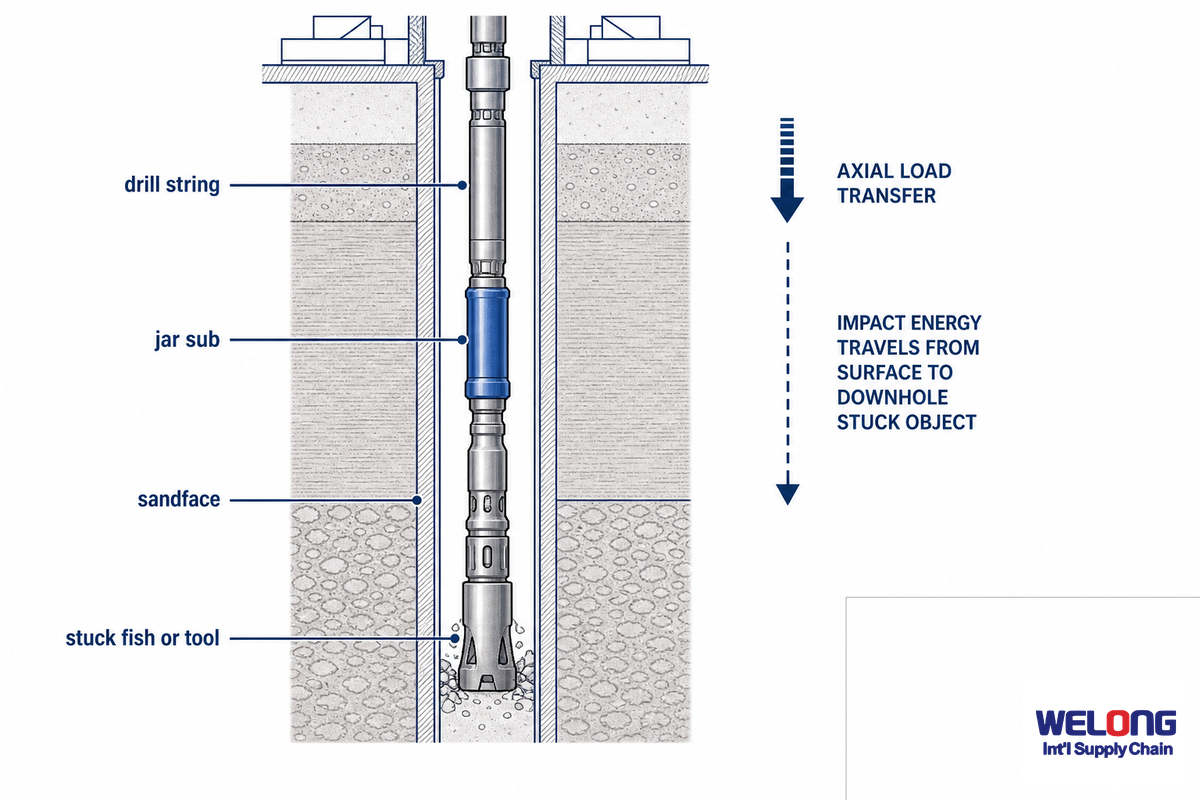
A drill pipe screen is an anti-junk control component, usually selected to protect lower string tools and bit sections from loose formation material, cutting solids, or packaging debris. Its role is not the same as a complete fishing strategy, circulation recovery package, or emergency stuck-strings response.
So the practical question is not “what does every screen do?” but “when is a screen the right intervention in this well profile?”. This guide excludes generic vendor promotion claims and focuses on operational decision criteria.
2. What a Drill Pipe Screen Actually Is
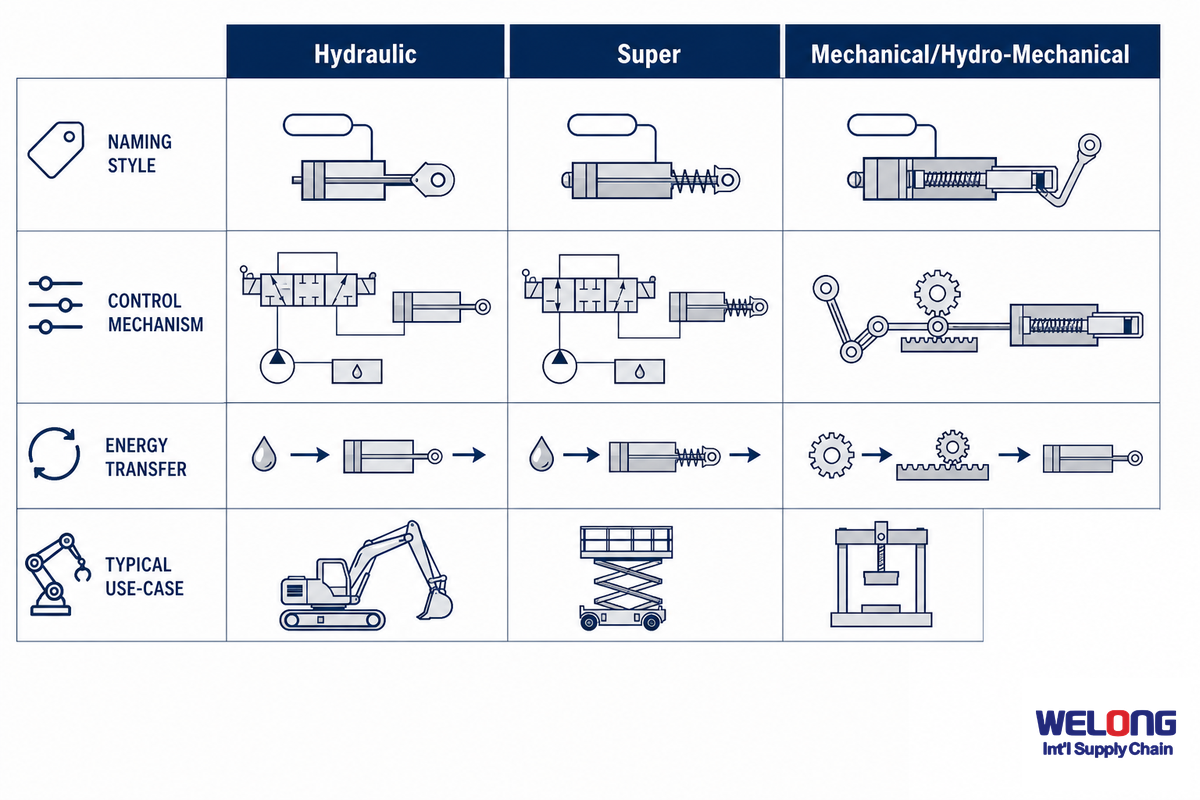
The core function is filtering and intercepting moving solids. In simplified terms, it is a downhole sleeve-and-mesh or slot interface designed so that small debris has a chance to be removed before reaching sensitive hardware. The design intent is usually to reduce the probability of severe wear, blockage, and impact stress concentration in subsequent elements.
Three practical boundaries matter most:
- Interception capacity: depends on debris profile, opening size, and pumping regime.
- Impact on hydraulics: screen geometry changes local pressure behavior slightly.
- Mechanical compatibility: connector class, OD, and wear profile must match string standards.
Think of it as a selective filter with a mechanical duty cycle. It helps in specific conditions, and it can become a new bottleneck if the duty is wrong.
3. Drain, Catch, or Shock? Different Tools, Different Failure Modes
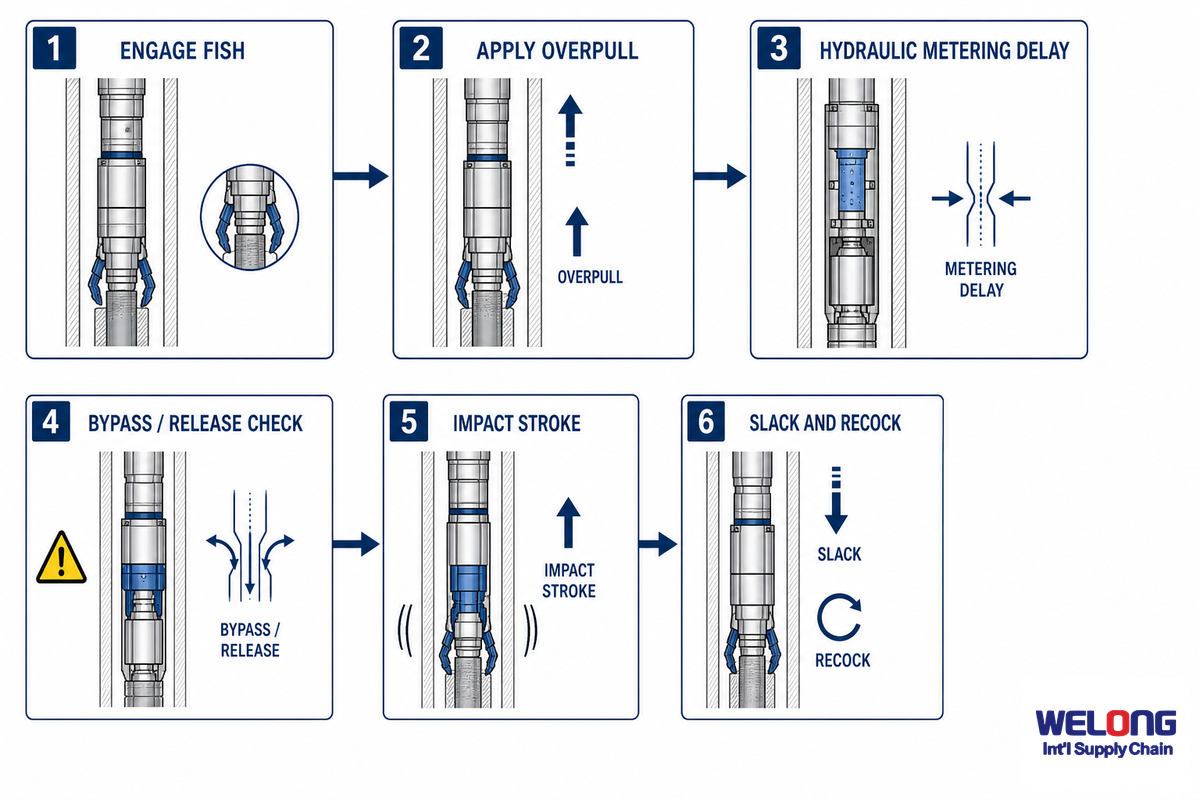
Field teams often confuse three control intents:
Catch-first control
Drill pipe screens are best for catching or intercepting and reducing recurring particulate stress before it reaches fragile interfaces.
Drain-first control
Fluid condition management and mud design solve flow transport and cuttings carryback issues.
Shock-first control
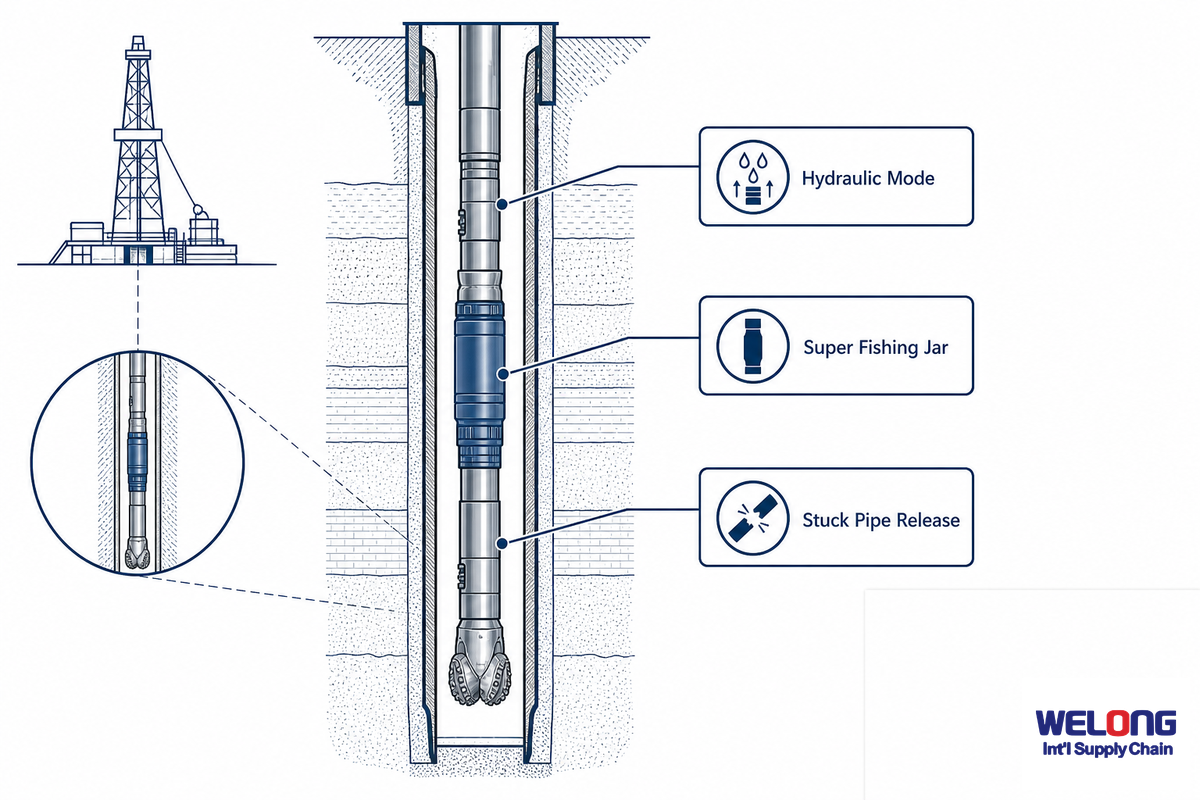
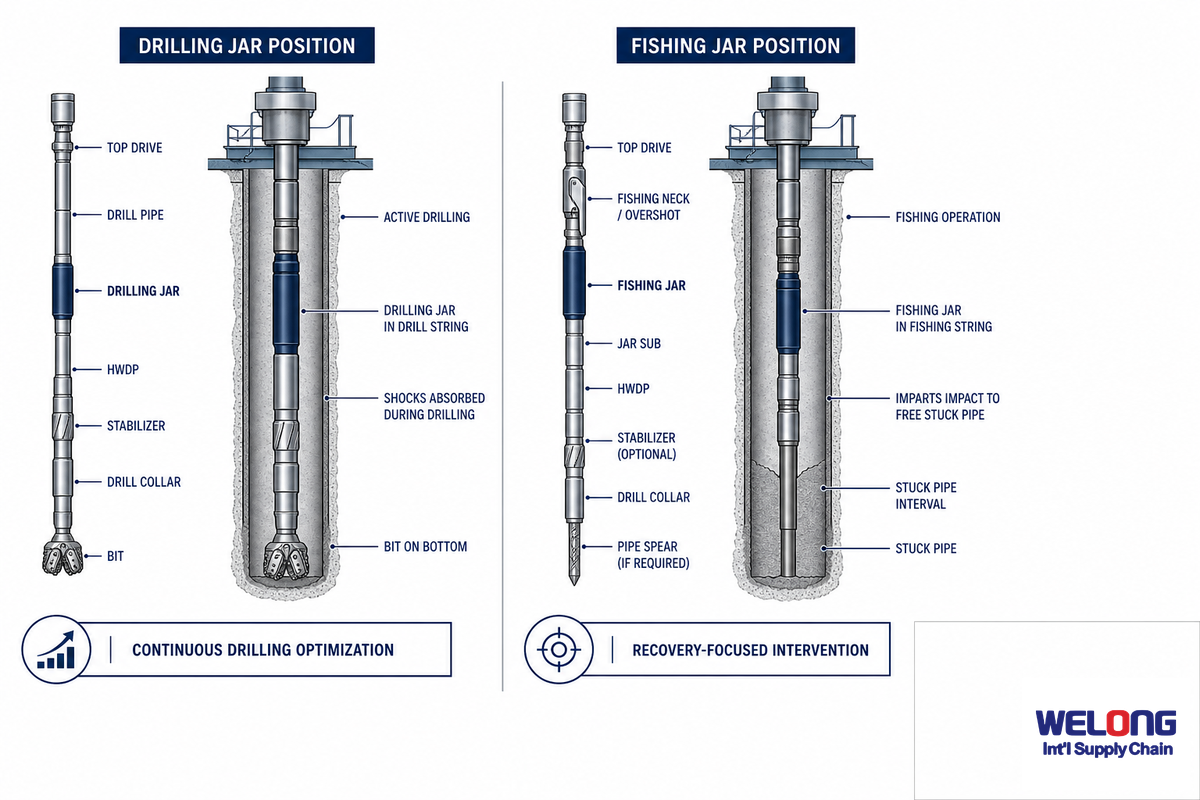
Fishing jars and recovery tools are for high-force release and shock events, typically after a fish has already formed or retrieval is required.
Conflating these functions creates unnecessary hardware swaps and failed run plans. This is why your first field meeting should start with function intent, not product names.
4. How Drill Pipe Screens Are Selected on Real Wells
| Condition | Primary screen decision | When to reconsider |
|---|---|---|
| High cuttings load + mild bit wear trend | Use a graded screen strategy and staged deployment depth | Repeated clogging events in short interval |
| Low solids, stable mud, short run | Screen may add complexity; not always needed | Hidden debris at BHA transition zone |
| Reactive formations / strong cuttings rebound | Confirm material and slot compatibility before installation | Observed pressure oscillation or vibration peaks |
| Emergency retrieval candidate | Prefer recovery sequence first; define screen role after fish profile | Risk of screen damage from debris overload |
5. Core Design Parameters You Must Verify
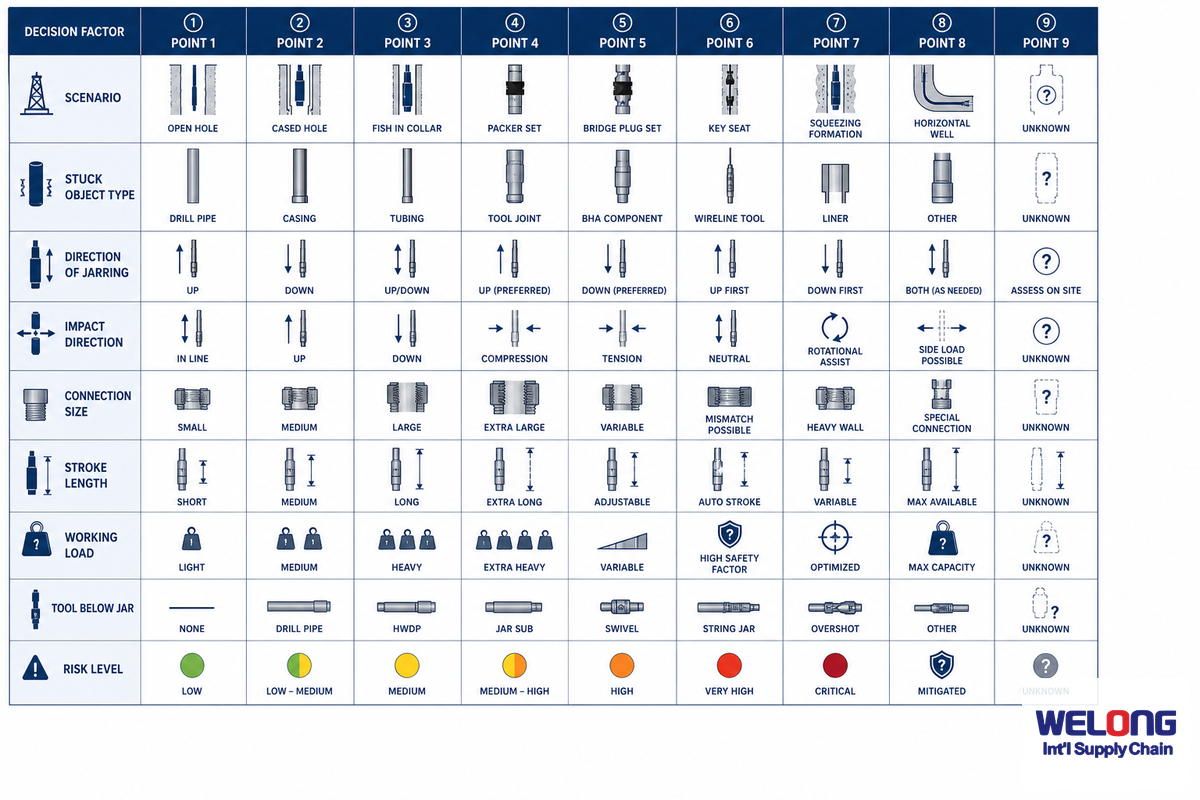
Do not treat this as a “standard template” exercise. Use the same due diligence each bid:
- OD and connection class: verify compatibility with current string run plan.
- Material and grade expectations: confirm temperature/chemical envelope before quoting.
- Screen architecture: open area versus mechanical strength balance.
- Length and wall thickness: match expected load path and circulation profile.
- Inspection documentation: require pre- and post-run inspection traceability.
Any spec list without these five items is likely incomplete for procurement decisions.
6. Installation Sequence and Safety Checkpoints
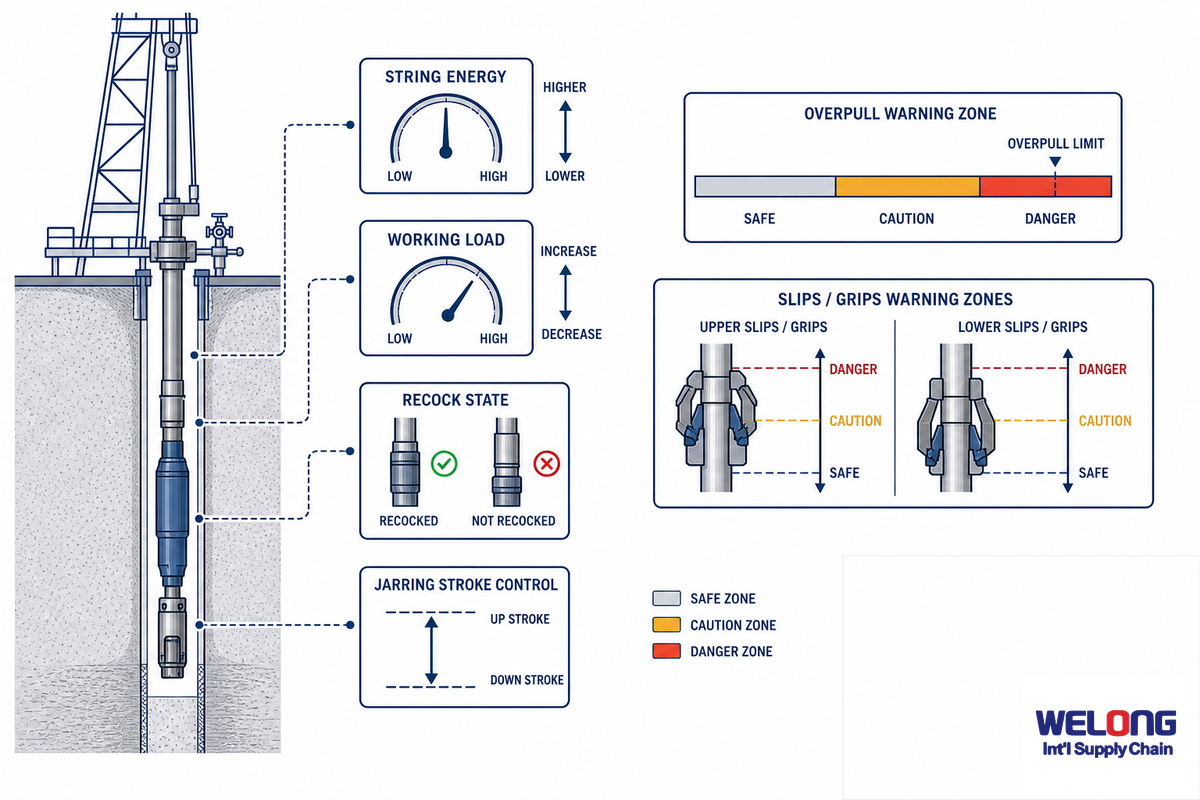
The safest deployments are usually the ones with the clearest run-order map. Use this sequence model:
- Define objective in one line (protective catch, not primary retrieval).
- Confirm string layout and torque model.
- Install at planned position with torque- and drag-aware clearances.
- Run initial pumping window with vibration and pressure trending.
- Pause to validate response before continuing with next operational step.
In many cases, the difference between success and failure is not hardware but operator discipline: missed checkpoints and unrecorded trend changes.
7. Use Limits and Non-Use Scenarios
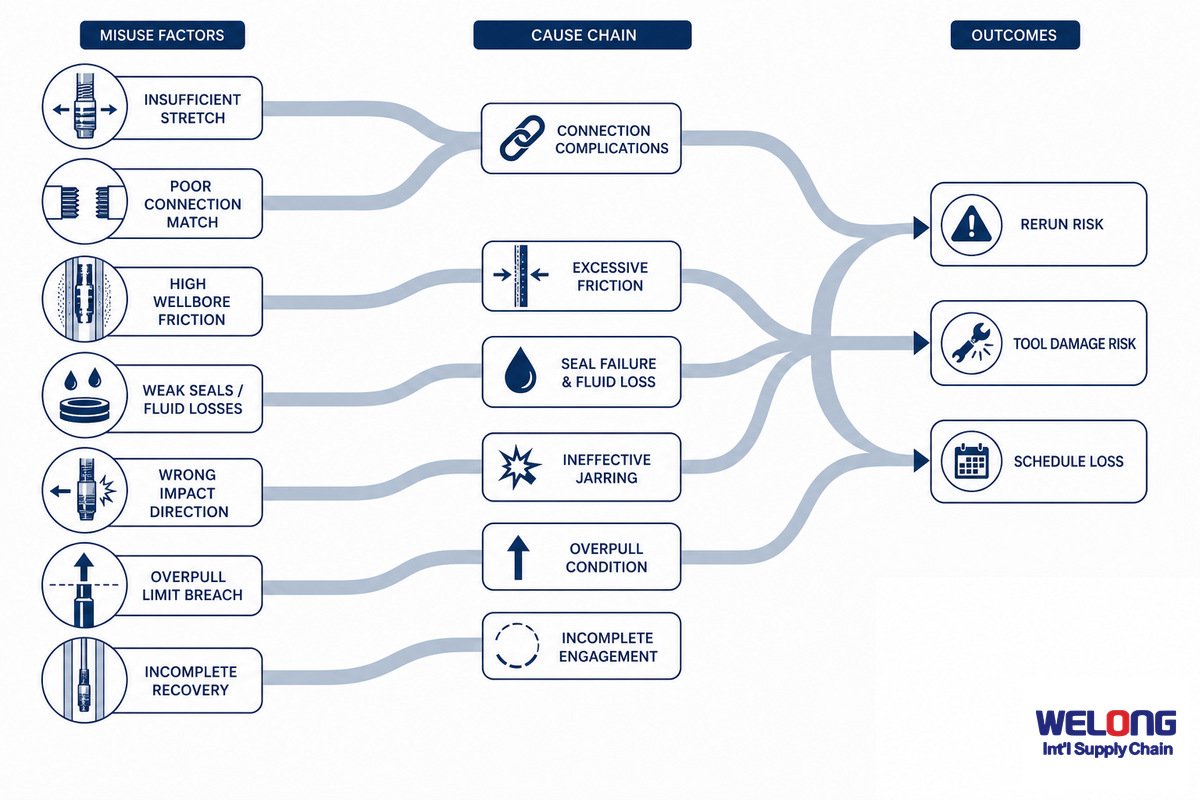
Some scenarios should trigger rejection or redesign before installation:
- When the job is primarily a deep retrieval requiring high-impact dynamics.
- When expected load profile exceeds screen class without verified confirmation.
- When mud properties cannot support stable circulation under planned restriction.
- When there is no contingency for removal, replacement, or staged deployment.
In these cases, adding a screen can increase risk instead of reducing it.
8. Maintenance Logic and Inspection Intervals
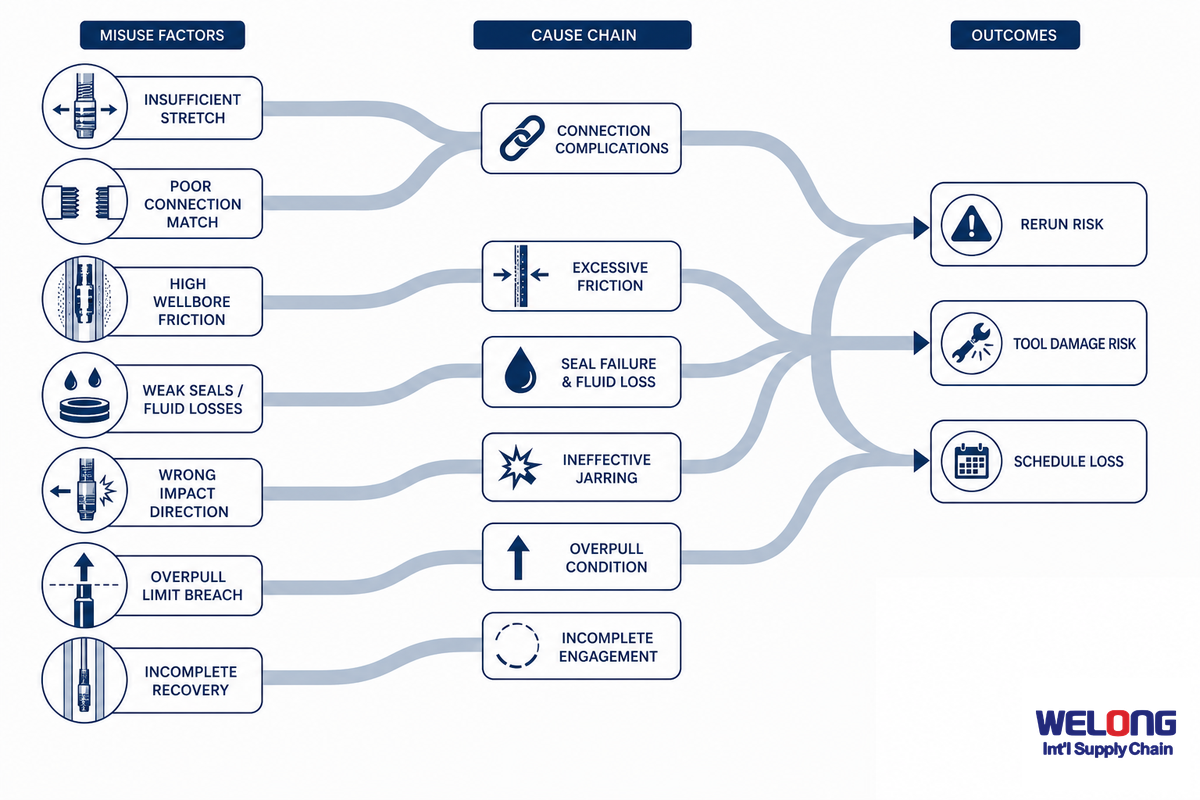
For repeat contractors and integrated teams, create a maintenance card after each trip:
| Stage | What to check | Pass threshold |
|---|---|---|
| Before deployment | surface inspection record + connector checks | No visible deformation or undocumented wear |
| After critical interval | pressure trend + wear pattern | Trend remains bounded by run baseline |
| After trip recovery | cleaning and debris hold-up data | Clear documented maintenance path |
Use an equipment log tied to field ID, date, interval, and deviation plan. Without that, optimization becomes guesswork.
9. Procurement Checklist (RFQ-ready)
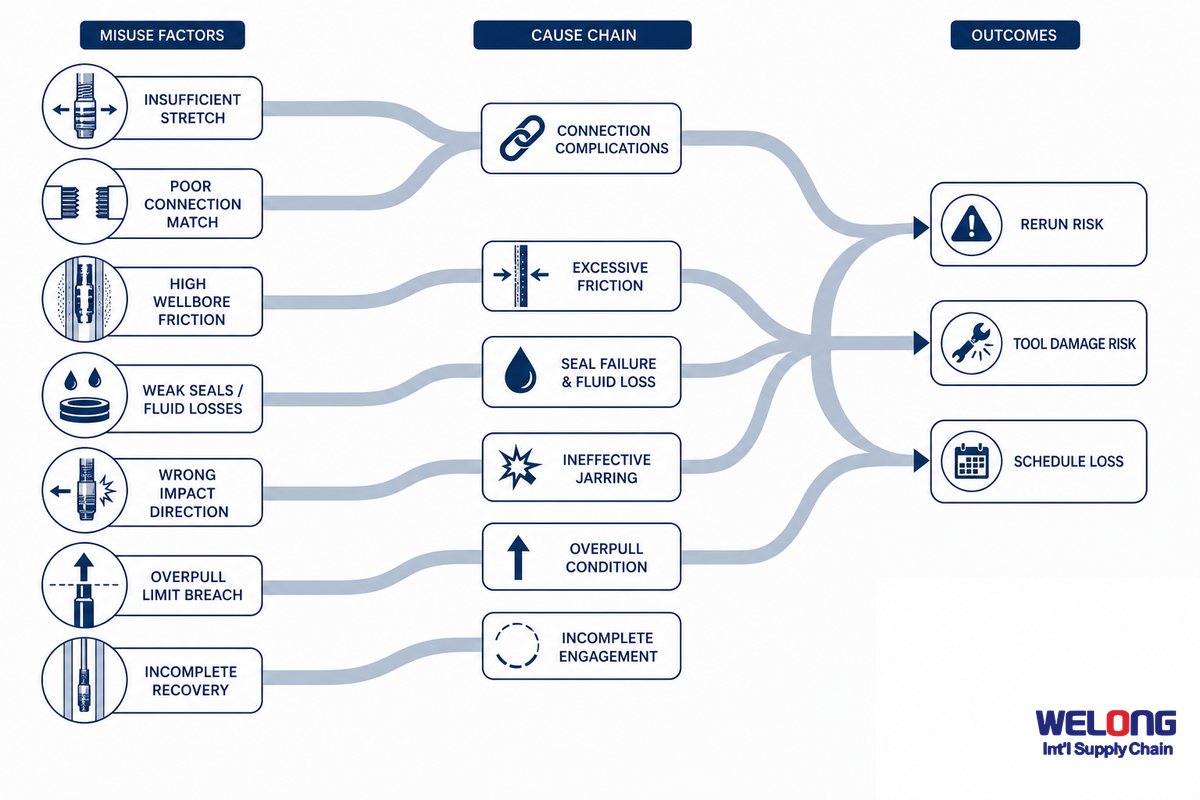
This is a practical list to prevent over- or under-specified proposals:
- Target OD and connection class (with tolerance)
- Material and heat-treatment expectations
- Screen architecture and slot or mesh characteristics
- Length, wall thickness, and allowable load envelope
- Inspection and test protocol
- Return and replacement conditions
- Response support during abnormal pressure events
10. Troubleshooting by Symptom Table
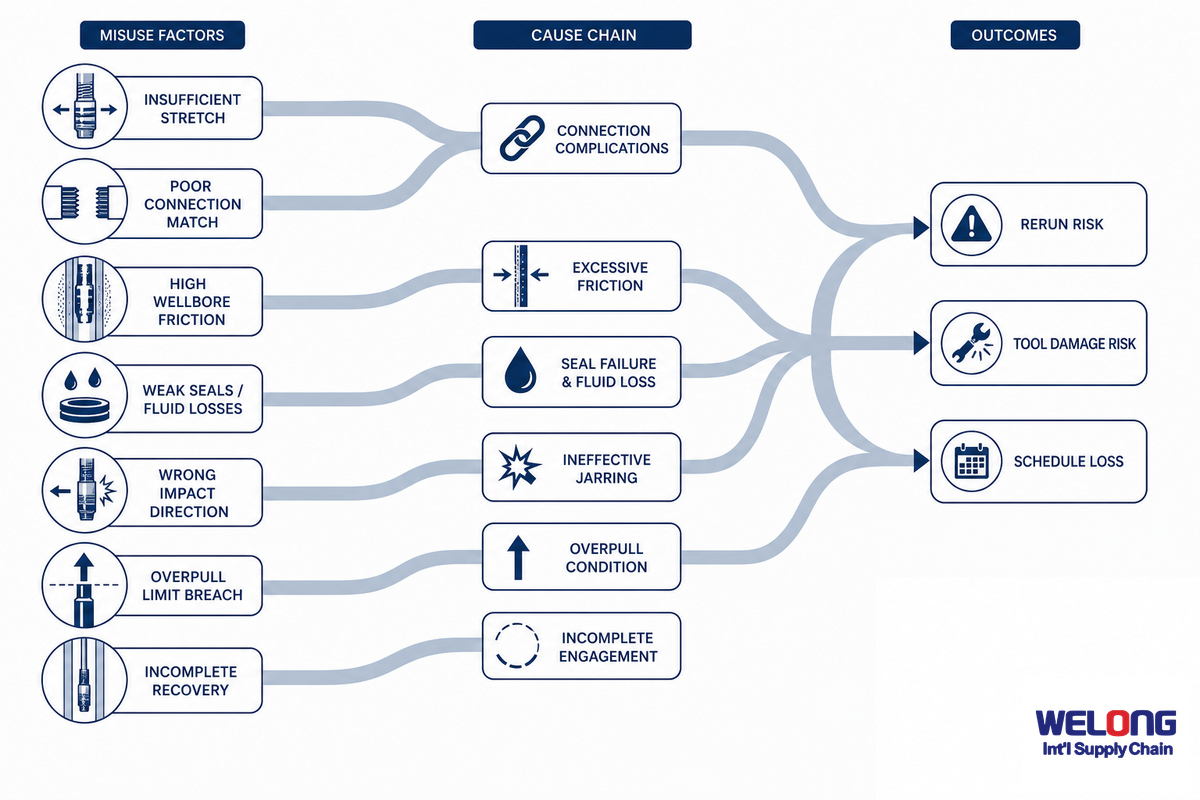
| Observed symptom | Likely reason | Suggested action |
|---|---|---|
| Rapid pressure instability | Hydraulic mismatch or undersized opening profile | Revisit deployment position and mud transport assumptions |
| Unusual vibration near low RPM hold | Screen and string resonance interaction | Re-check location and operational envelope |
| Repeated cleaning cycles with little gain | Wrong use-case for screen type | Use flow strategy-first approach or recovery strategy |
11. Quick FAQ
Q1: Can one drill pipe screen handle all field conditions?
No. Match it to debris profile, string load, and operational objective.
Q2: Should I buy by lowest unit price?
Not for this item. Matching class and maintenance path usually determines lifecycle cost.
Q3: Is a screen a replacement for fishing tools?
Usually no. It is a protective or preventive component, not a universal retrieval substitute.
Q4: What if specs are unclear in the quote?
Treat unclear specs as a red flag. Require revision before approval.
Q5: How often should operational teams review usage logs?
After each relevant interval and after abnormal events.
Decision anchor: a drill pipe screen works best when selected as part of a defined process, not as a catch-all answer.
Where to continue
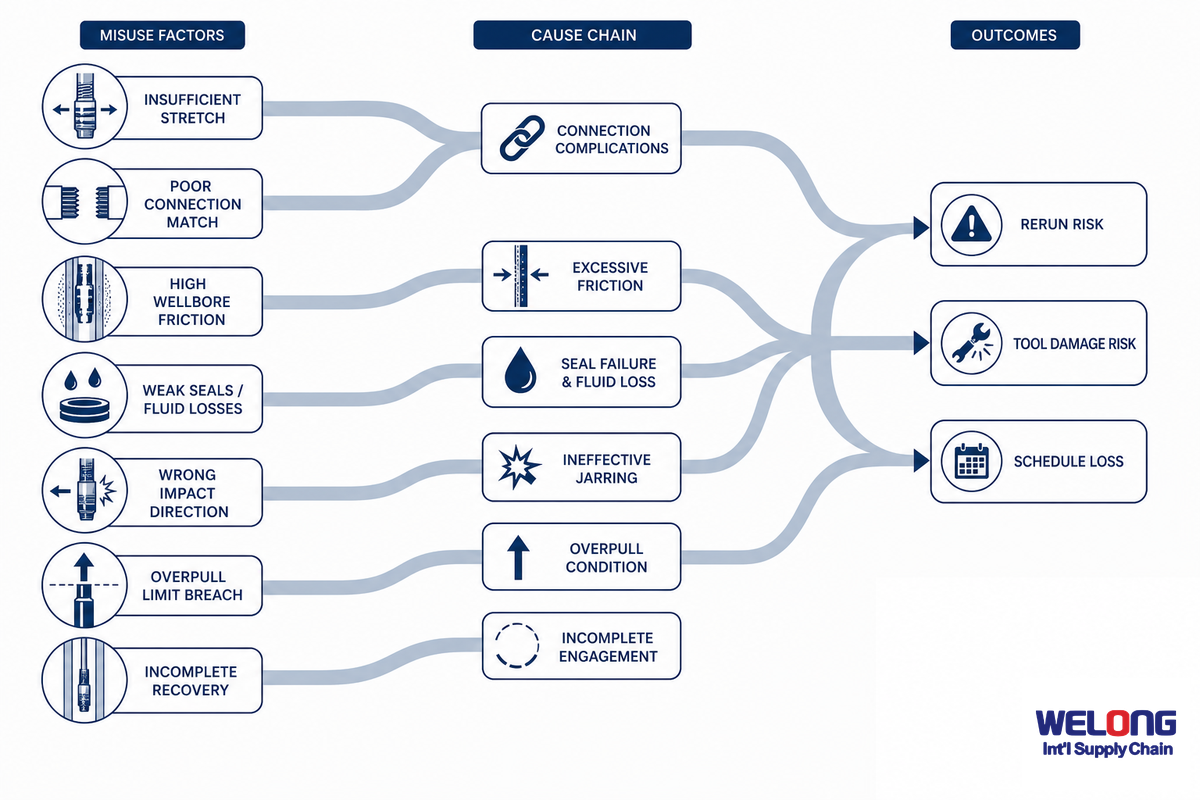
When you need a concrete Aurora configuration, procurement package, and quote baseline for a specific job, go to Aurora Drill Pipe Screen.
Reader action: before placing your next order, use the above procurement checklist and keep one column for “scope mismatch.” If any item is unclear, include a technical clarification request before PO.
—
Next step suggestion: run a simple trial matrix with two profile options and your team lead before the next rig handover.
Why Buyers Work With Welong
About Welong Engineering Support
China Welong supports oilfield buyers with engineered supply-chain service for drilling tools, well-control equipment, rig-floor tools, casting parts, and industrial forged components.
Project Review Before RFQ
We help buyers compare tool family, material route, API or ISO requirements, inspection records, supplier capability, delivery risk, and documentation needs before a purchase decision is finalized.
Request An Oilfield QuoteCompany Profile // Data Sheet
CompanyChina Welong International Supply Chain
BrandWelong
CountryChina
Business TypeOilfield tools and industrial supply-chain partner
Main ProductsDownhole drilling tools, fishing and milling tools, wellhead and well-control equipment, oilfield hoses, rig-floor handling tools, mill rolls, and forgings
Engineering CapabilityTool-family selection, specification envelope review, API / ISO reference support, material traceability, inspection coordination, and supplier-route comparison
RFQ Data NeededTool type, size, connection, rating, grade, standard, quantity, drawings, and delivery target
Websitewelongoiltools.com
![Choke & Kill Hose: [Field Guide]](https://welongoiltools.com/wp-content/uploads/2026/07/choke-kill-hose-guide-featured-1-150x150.png)