Get in touch with Welong Company
Process Documentation
Drill Collar
Drill Collar Supply, Slick, Spiral & Non-Magnetic
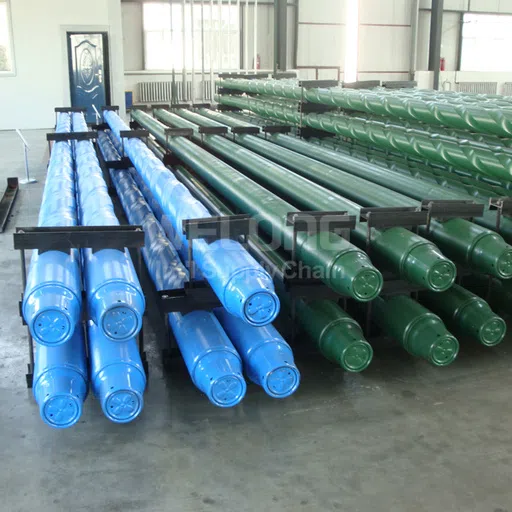
China Welong, supplier for world’s oilfield drilling programs with API Spec 7-1 drill collars in AISI 4145H & 4145H Mod alloy steel, with 3-1/8” to 11” OD sizes available, both in slick, spiral & non-magnetic versions engineered to bear the load-on-bit and the connection stresses that take out most collars in service.
Request a Quote →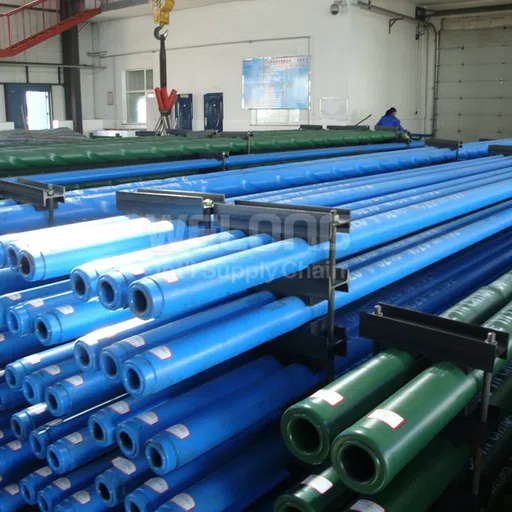
3-1/8″–11″
OD Range
AISI 4145H / Mod
Material Grade
Slick / Spiral / Non-Mag
Configurations
API Spec 7-1
Manufacturing Standard
285–341 HB
Hardness Range
Manufacturing Experience
When a Drill Collar Fails to Hold Weight-on-Bit, Everything Downhole Suffers
The thick-walled, heavy-tubular section at the very bottom of the bottom-hole assembly (BHA), placed directly above the drill bit, the drill collar is supposed to perform two jobs so simple you’re never allowed to get them wrong twice: applying enough weight-on-bit (WOB) to keep the bit cutting, and keeping the drill string stiff enough that it doesn’t buckle and send you off-track in the wellbore. On any oil rig on a drilling rig anywhere in the world, the single drill collar in the string take all the compression, torsion, and bending forces that the rest of the tool is designed to avoid – that’s precisely why the drill string failure statistics aren’t uniformly distributed along its length.
We know this because failure-analysis research published for North Sea drillstrings quantifies it: roughly 77% of all drillstring failures initiate within the BHA instead of in the drill pipe body itself, and among those BHA failures, about three-quarters of all drill collar failures concentrate near the box connection, right at the very end of the last engaged thread. [1] Failure fatigue alone accounts for about 65% of all drillstring failures, and data from drill pipe inspection has also identified fatigue cracks in 73% of samples studied. [1] The phenomenon is constant across drill string and drill collar studies: the connections fail before the bodies do, and the cumulative effect of cyclic loading – not one single event – is the ultimate cause.
The reason why failure statistics cluster so tightly at the box connection isn’t bad luck, it’s design, and it’s precisely for this reason that the manufacturing details on a drill collar are supposed to address this pattern. For the selected drill collar, confirm whether the responsible manufacturer’s design includes an API stress-relief groove, bore-back feature and cold-rolled thread roots. For a selected spiral drill collar, confirm the helical-groove geometry; for non-magnetic service, confirm the quoted alloy and magnetic-property evidence. None of this is some sort of proprietary trick or “secret sauce” – this is just good old honest design geometry and material selection practices for the connection itself, features that must be confirmed against the selected manufacturer’s drawing and applicable API Spec 7-1 requirements. It isn’t a trade-off or a compromise between performance and cost, either, because the cost to properly manufacture a stress-relief groove or to cold-roll a thread root is the same, regardless of where the drill collar ultimately ends up in the field, from land-based operations to deepwater programs.
China Welong Drill Collar Line, Models, Specifications & Selection
For the selected drill collar, the material grade, heat-treatment route, connection machining and applicable API Spec 7-1 evidence are confirmed in the quotation. The supplied range includes three drill collar types, with material stock confirmed for the selected order – slick, spiral and non-magnetic – so that selecting a collar come down to the drilling conditions you face, not some sacrifice in performance.
Slick, Spiral & Non-Magnetic, What Each One Solves
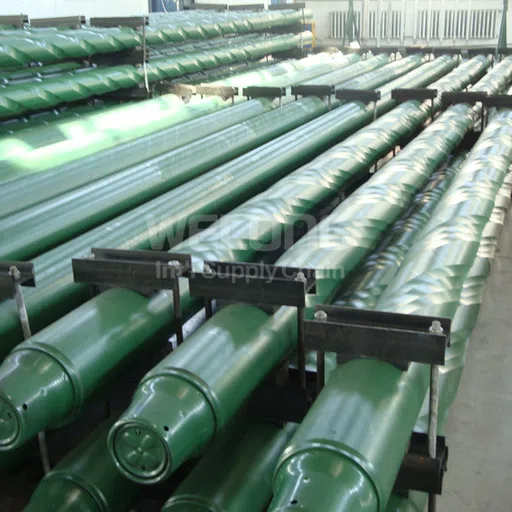
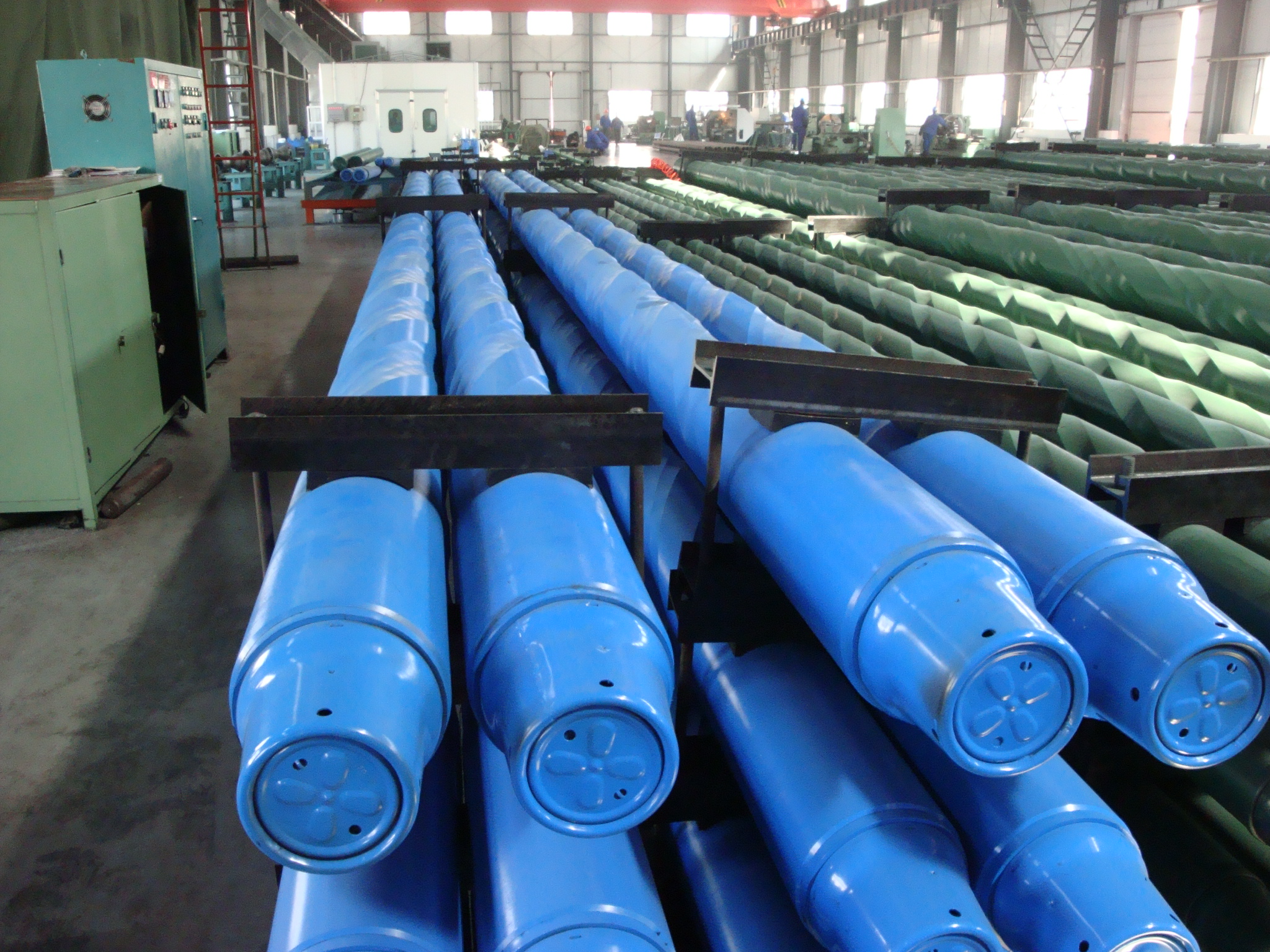
Slick drill collars are smooth OD along their entire length – a standard for straight-hole programs when differential sticking and hole-wall contact aren’t major concerns. Spiral drill collars incorporate machined helical grooves along their OD, reducing wall contact, and thus the differential-sticking risk associated with permeable or depleted formations; the grooves also improve circulation. Non-magnetic drill collars differ in that the base metal used is one with very low magnetic permeability – it’s not rare for them to be referred to elsewhere as monel drill collars, since one such industry-common family of non-magnetic alloys consists of nickel-copper Monel types, chosen not only for their low magnetism, but for their inherent corrosion resistance in wet environments (Welong offers non-mag grades to customer specification); our non-mag drills follow our standard API stress-relief groove and connection specifications as do our slick and spiral collars – only the raw material is different.
Unlike manufacturers who cite a generic “non-magnetic drill collar” line item on their pricelists, we size the non-magnetic section to your actual well geometry instead of shipping standard lengths and hoping for the best – the drill collar dimensions that matter for interference risk are inclination and azimuth, not a catalog length. Full drill collar specifications for every size below, including bore, connection, and bevel diameter, are available in the downloadable spec sheet.
Engineering Note, Why Standard Steel Interferes With Directional Surveys
The two main sources of error in magnetometer based readings are a built in, dual-pole magnetic field (an upper pole is generated by the steel collars above the measurement tools, a lower one by stabilizers and bit)[2], and ambient magnetic fields from surrounding steel casing or highly magnetic formations. A non-magnetic drill collar “desensitizes” the survey instrument by isolating it in a region of very low magnetic permeability, reducing this interference – though it isn’t completely eliminated.[2] However, no one knows exactly how much non-magnetic pipe is needed, since the optimal drill collar length depends entirely upon your specific well’s hole inclination and azimuth – parameters that can be calculated, not assumed, according to established methods like the ISCWSA Grindrod-Wolff selection method.
A cited example calculation showed, at a bit of 60 inclination and 35 azimuth, about 24 meters of non-mag drill collar to stay within ISCWSA tolerances – and your requirements are unique. Hole inclination increases this effect as inclination rises above 30, and a strong east-west directional trend amplifies the interference.[3] Single non-magnetic drill collar installation has been observed to cost approximately $30,000[3] – precisely why selecting the right length and location the first time is so critical.
Hardbanding & Connection Features (Available on Request)
All connections are supplied with an API stress relief groove and bore-back on the box end; the thread roots are cold worked for enhanced fatigue resistance – this specifically addresses the concentrated failure modes experienced in the box-connection identified above. Slip and elevator recesses follow the API RP 7G dimensions. The following table assumes that slip and elevator recess wear won’t be an issue, and hardbanding is therefore not supplied, however it’s available upon request, including flush, raised, standard, or proprietary wear bands – please check with your account manager at the time of inquiry regarding required hardbanding type and placement, as specification depends on connection type and size.
Material Options
| Material | Composition Basis | Primary Use Case |
|---|---|---|
| AISI 4145H | Chrome-molybdenum alloy steel, quenched & tempered | Standard drilling programs, full API 7-1 mechanical property range |
| AISI 4145H Mod | Modified 4145H composition, quenched & tempered | Enhanced toughness profile for demanding torque/tension cycling |
| Non-Magnetic | Low-permeability alloy (customer-specified grade) | MWD/LWD directional surveys where magnetic interference must be isolated |
Mechanical Properties (per API Spec 7-1, ASTM A370)
The values in the tables below represent API Spec 7-1 minimum mechanical properties for new standard steel drill collars, double-checked for ASTM A370 test methods and cross-referenced against many current manufacturer catalogs. [1] [4]
| OD Range | Min. Yield Strength | Min. Tensile Strength | Min. Elongation | Impact (Charpy V-notch) | Hardness |
|---|---|---|---|---|---|
| 3-1/8″ – 6-7/8″ | 758 MPa / 110,000 psi | 965 MPa / 140,000 psi | 13% min | +20°C ≥52 J / -20°C ≥30 J | 285–341 HB |
| 7″ – 11″ | 689 MPa / 100,000 psi | 931 MPa / 135,000 psi | 13% min | +20°C ≥52 J / -20°C ≥30 J | 285–341 HB |
Note: Reduction of Area min. 45% Test specimens within 3 feet of the end of the drill collar. Hardness testing performed on OD by Brinell method.
Non-magnetic (austenitic stainless steel) drill collars are rated for pitting corrosion resistance under API Spec 7-1 system CR1 – CR4 according to the salinity and temperature of the drilling fluid- check your required CR rating at RFQ time if your program requires the use of high salinity or high temperature drilling fluid.
Non-magnetic (austenitic stainless steel) drill collars are rated for pitting corrosion resistance under API Spec 7-1 system CR1 – CR4 according to the salinity and temperature of the drilling fluid- check your required CR rating at RFQ time if your program requires the use of high salinity or high temperature drilling fluid.
Drill Collar Sizes & Connections (Up to 6-3/4″)
Each drill collar connection in the list below is made to the standard NC (Numbered Connection) or an equivalent, use the line that matches the OD and NC/connection designation of the parts currently in your BHA – don’t just consider OD – this is the part that need to make up with other parts.
| Nominal Size | D (mm) | D (in) | d (mm) | d (in) | L (mm) | DF (mm) | NC |
|---|---|---|---|---|---|---|---|
| NC31-41 (2-7/8 IF) | 104.8 | 4-1/8 | 50.8 | 2 | 9150 | 100.4 | |
| NC35-47 | 120.7 | 4-3/4 | 50.8 | 2 | 9150 | 114.7 | |
| NC38-50 (3-1/2 IF) | 127.0 | 5 | 57.2 | 2-1/4 | 9150 | 121.0 | |
| NC44-60 | 152.4 | 6 | 57.2 | 2-1/4 | 9150/9450 | 144.5 | |
| NC44-60 | 152.4 | 6 | 71.4 | 2-13/16 | 9150/9450 | 144.5 | |
| NC44-62 | 158.8 | 6-1/4 | 57.2 | 2-1/4 | 9150/9450 | 149.2 | |
| NC46-62 (4 IF) | 158.8 | 6-1/4 | 71.4 | 2-13/16 | 9150/9450 | 150.0 | |
| NC46-65 (4 IF) | 165.1 | 6-1/2 | 57.2 | 2-1/4 | 9150/9450 | 154.8 | |
| NC46-65 (4 IF) | 165.1 | 6-1/2 | 71.4 | 2-13/16 | 9150/9450 | 154.8 | |
| NC46-67 (4 IF) | 171.4 | 6-3/4 | 57.2 | 2-1/4 | 9150/9450 | 159.5 |
Drill Collar Sizes & Connections (6-3/4″ to 10″)
| Nominal Size | D (mm) | D (in) | d (mm) | d (in) | L (mm) | DF (mm) | NC |
|---|---|---|---|---|---|---|---|
| NC50-67 (4-1/2 IF) | 171.4 | 6-3/4 | 71.4 | 2-13/16 | 9150/9450 | 159.5 | |
| NC50-70 (4-1/2 IF) | 177.8 | 7 | 57.2 | 2-1/4 | 9150/9450 | 164.7 | |
| NC50-70 (4-1/2 IF) | 177.8 | 7 | 71.4 | 2-13/16 | 9150/9450 | 164.7 | |
| NC50-72 (4-1/2 IF) | 184.2 | 7-1/4 | 71.4 | 2-13/16 | 9150/9450 | 169.5 | |
| NC56-77 | 196.8 | 7-3/4 | 71.4 | 2-13/16 | 9150/9450 | 185.3 | |
| NC56-80 | 203.2 | 8 | 71.4 | 2-13/16 | 9150/9450 | 190.1 | |
| 6-5/8 REG | 209.6 | 8-1/4 | 71.4 | 2-13/16 | 9150/9450 | 195.7 | |
| NC61-90 | 228.6 | 9 | 71.4 | 2-13/16 | 9150/9450 | 212.7 | |
| 7-5/8 REG | 241.3 | 9-1/2 | 76.2 | 3 | 9150/9450 | 223.8 | |
| NC70-97 | 247.6 | 9-3/4 | 76.2 | 3 | 9150/9450 | 232.6 | |
| NC70-100 | 254.0 | 10 | 76.2 | 3 | 9150/9450 | 237.3 |
Custom sizes and connections are available upon request; see Procurement Guide below.
Drill Collar Selection Framework, By Drilling Condition
The decision of slick, spiral, or non-magnetic drill collar isn’t a preference, but a decision dictated by your hole geometry and surveying requirements. The framework below identifies which type is most appropriate for your drilling application:
| Drilling Condition | Recommended Type | Key Parameter | Why |
|---|---|---|---|
| Straight, low-deviation vertical hole, no nearby MWD | Slick | Standard AISI 4145H / Mod, smooth OD | Lowest cost per foot where wall-contact/differential-sticking risk is low |
| Elevated differential-sticking risk (permeable or depleted zones, mud-cake buildup) | Spiral | Helical grooves reduce borehole wall contact area | Cuts contact-area friction and improves fluid channeling around the collar |
| Directional/horizontal program with MWD/LWD azimuth survey, inclination >30° | Non-Magnetic | Length sized per ISCWSA Grindrod-Wolff method (e.g. ~24m at 60° incl / 35° azimuth) | Isolates the magnetometer package from steel-collar magnetic interference |
| East-west azimuth wells (highest geometric interference risk) | Non-Magnetic, extended length | Longer NMDC section as azimuth approaches due east-west | Interference grows as azimuth nears east-west per the Grindrod-Wolff error relationship |
Drill Collar vs Drill Pipe vs Heavy-Weight Drill Pipe, Performance Comparison
Although all three parts appear in the same drill string, they’re structurally and mechanically different – this is frequently a source of confusion and research for drilling forum users and those conducting PAA research. Literature detailing drill string failure analysis clearly demarcates this: the majority of premature failures occur either in the threaded connections or in the drill pipe body near the internal upset taper. [1] In order to perform their respective functions, drill pipe and drill collars have very different wall-thickness geometries.
| Component | Primary Function | Wall Type | Approx. Weight Role | Reference BHA Position |
|---|---|---|---|---|
| Drill Collar | Provides weight-on-bit (WOB), BHA stiffness, and directional control | Thick-walled solid bar | Heaviest per foot in the string (e.g. NC44-60, 6″ OD ≈ 144.5mm DF class) | Directly above the bit |
| Heavy-Weight Drill Pipe (HWDP) | Transition zone; buffers the stiffness change; adds moderate weight without full collar rigidity | Thicker-walled than standard drill pipe, still tubular with a bore | Mid-weight — reference-catalog torsional yield for a 5″ HWDP joint runs roughly 112,992 ft-lb[4] | Between drill collars and standard drill pipe |
| Drill Pipe | Rotates the bit, circulates drilling fluid to the bit and back, transmits torque from surface | Thin-walled hollow tube | Lightest per foot; makes up the bulk of the string length | From surface down to the BHA transition |
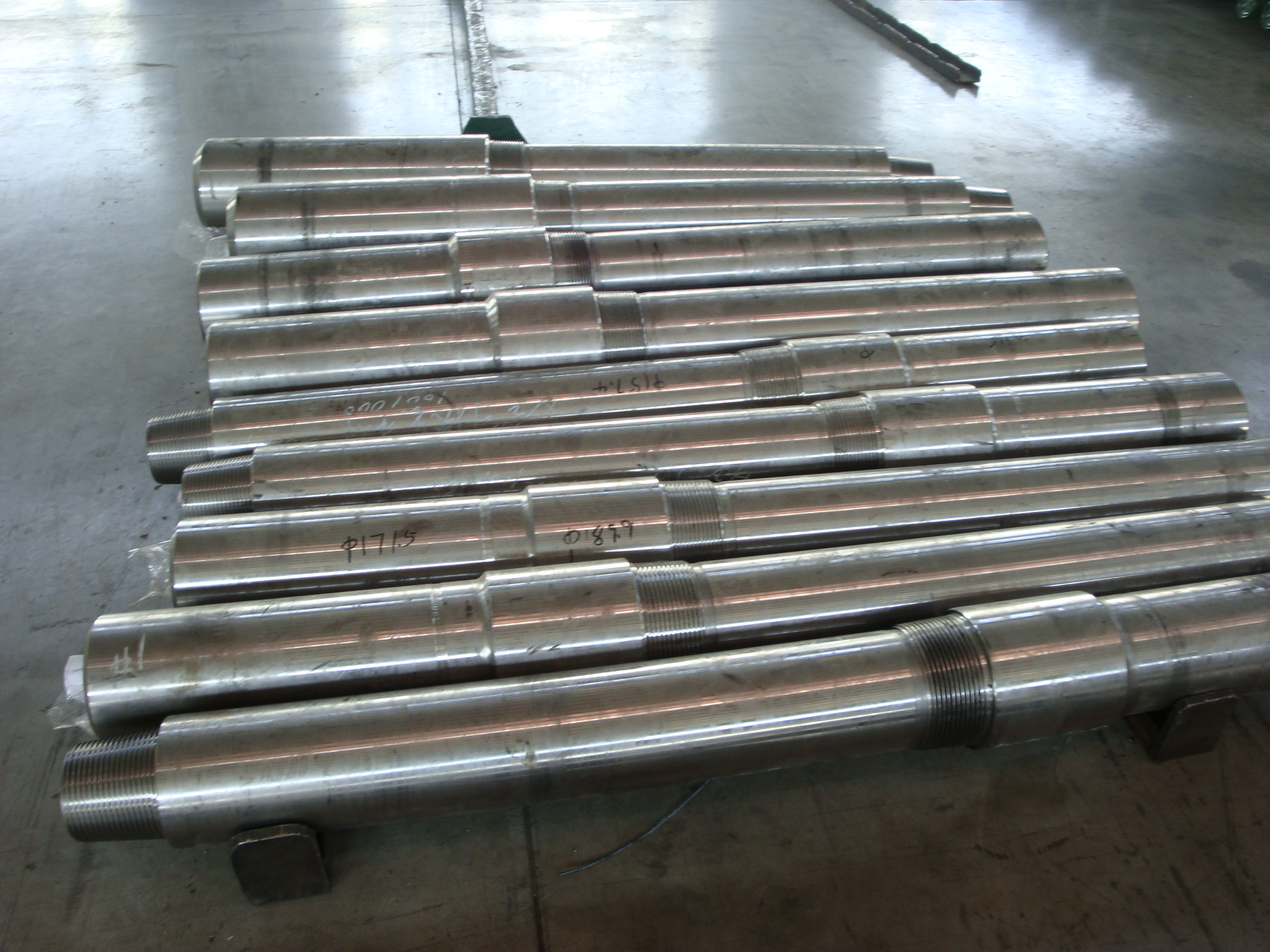
Drill collars are designed to be stiff and transmit weight, not to transmit torque or store large volumes of fluid; those are the functions of the drill pipe. When drill pipe and drill collars are discussed interchangeably during a specification review, the buyer usually means Heavy Weight Drill Pipe (HWDP) is desired to act as a transition tool, which requires clarifying before submitting a quotation. It’s a common, expensive error to confuse drill collars and HWDP of the same outer diameter in a BHA specification, as their weight per foot can differ by hundreds of pounds, and they aren’t directly interchangeable.
But in the real world this difference manifests constantly, from an engineer deciding between HWDP or a short string of drill collars to make up a 6-1/2″ hole-size BHA, where even the wrong weight-mix can dramatically change string buckling characteristics. China Welong has supplied both drill collars and heavy-weight drill pipe to many of the same BHA programs, alongside the standard drill pipe that makes up the rest of the string – that’s precisely why we’ll tell you what combination your hole size and mud weight needs before you even consider signing an order, rather than simply taking an order by part name for a specific component.
Field-Critical Drill Collar Procurement
China Welong was founded in 2001. For the selected drill collar, the quotation identifies the responsible manufacturer, inspection scope and document package. Buyer-specified third-party inspection by SGS, DNV, or another qualified provider can be arranged when requested.
Drill-collar procurement should confirm the required inspection level, including any independent inspection needed before dispatch.
“A drill collar order isn’t just a spec table, it’s a promise that the box connection won’t be the reason your BHA comes apart at 8,000 feet. The quotation identifies the responsible manufacturer and the required stress-relief-groove, thread-root and inspection evidence for the selected quantity.”
Confirm the manufacturing documentation and applicable scope required for the selected drill collar during the RFQ stage.
Re pricing – as drill collars are made to order on size, connection and material grade we don’t hold a fixed price list – but we don’t hold back on why our pricing is driven as it’s! Material grade (std 4145H vs 4145H Mod vs non-mag alloy), connection and recess style, hardbanding requirements, inspection type (standard vs third-party SGS/DNV) are the four levers for any quote, contact us for your quote based on your requirements!
Certifications & Quality Assurance
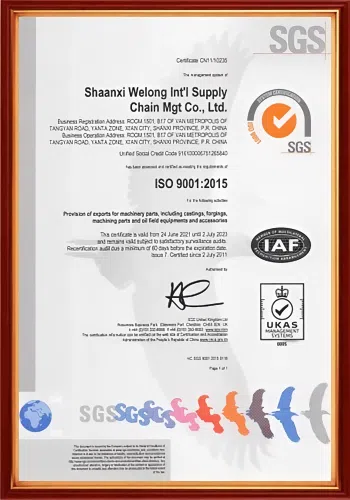
Quality-management systems and API Spec 7-1 describe different scopes: one governs documented process controls, while the other addresses product-specific technical requirements.
Public-Directory Verification
Quality management system (company-documented)
API Spec 7-1
Rotary drill stem elements — drill collars in scope (company-documented)
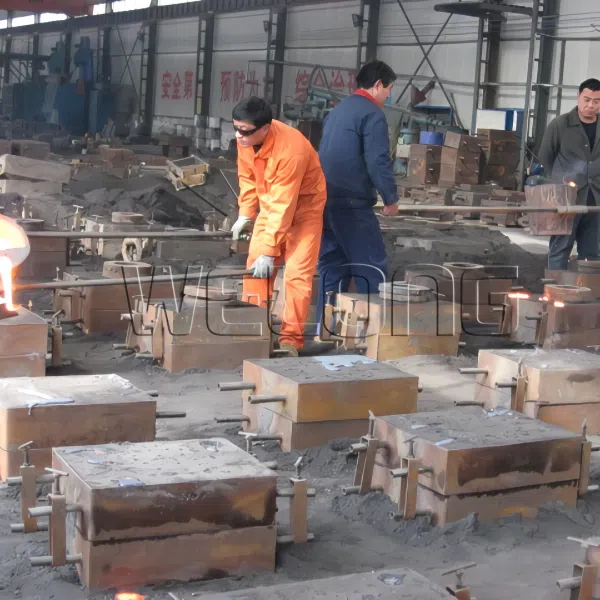
In-Process Inspection
Scope confirmed per order
Final Inspection
Pre-shipment scope per order
SGS / DNV
Third-party inspection available on request
Thread-root cold-working, stress-relief-groove geometry, and magnetic-particle inspection are inspection points to confirm for the selected collar.
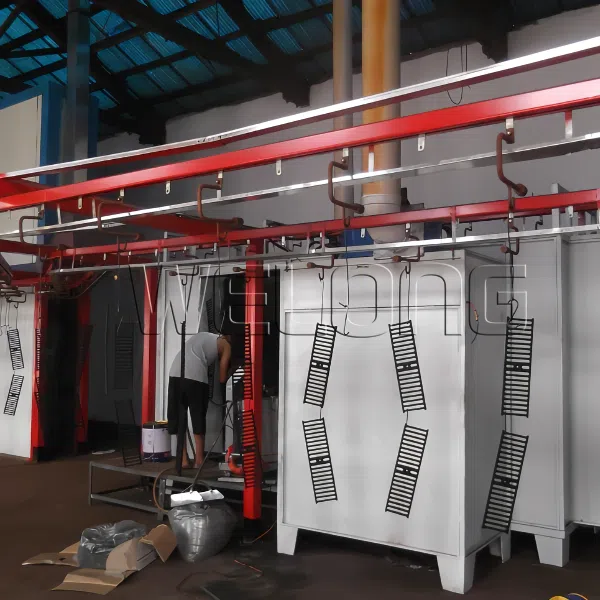
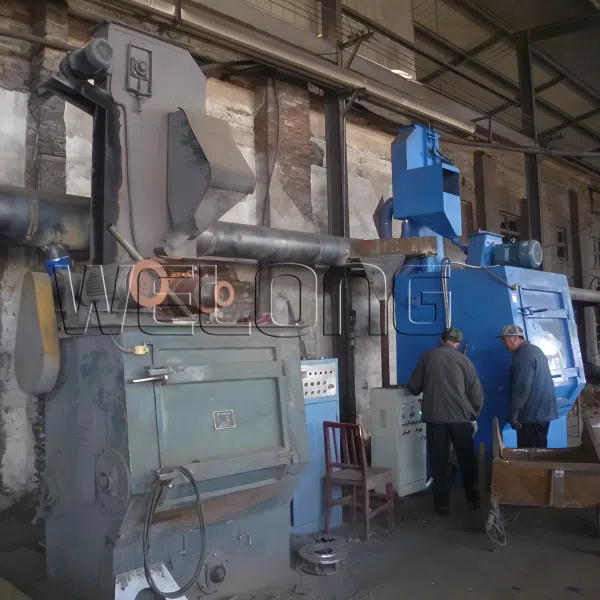
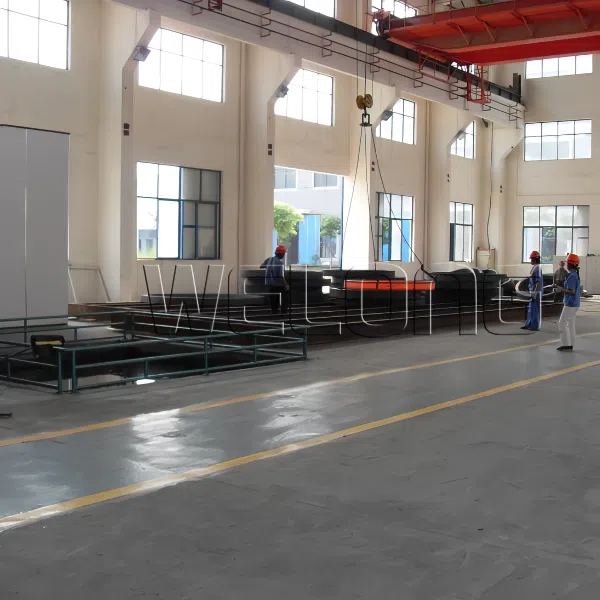
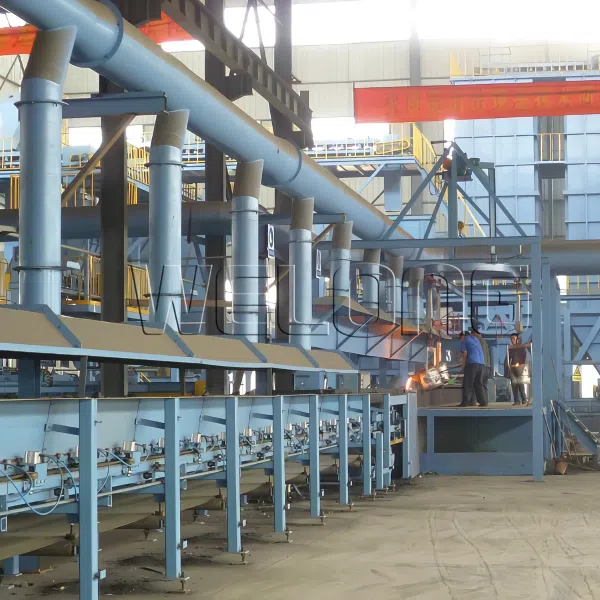
High-Performance Drill Collar Solutions
❮
❯
×
Advanced Drill Collar Engineering Tools
Drill Collar Selection Calculator
Answer two questions about your drilling program to see which China Welong drill collar type — Slick, Spiral, or Non-Magnetic — fits your BHA design, based on the same selection framework used in our technical guide above.
Drillstring Failure Downtime Cost Estimator
Roughly 75% of drill collar failures concentrate at the box connection, and non-productive time (NPT) from a downhole failure is billed at your rig’s day-rate. Estimate what a failure-driven delay could cost, based on published day-rate ranges.
Drill Collar vs Drill Pipe vs HWDP — Quick Comparison
Select any two components to compare side by side. Data matches the comparison table in our technical guide above.
Drill Collar Connection & Size Lookup
Filter the full nominal-size table by target outside diameter (OD) range to find matching NC connections and dimensions.
Frequently Asked Questions
01
What is the difference between a drill collar and drill pipe?
Drill collars are heavy and solid, being the weight-and-stiffness components of the drill string, while drill pipe is thin and hollow, used to transmit rotation and fluid circulation. Heavy-weight drill pipe (HWDP) is the intermediate string member between these two. Refer to the comparison table above for more detailed distinctions between these three.
02
What is the difference between drill collar and HWDP?
Drill collars are thick and solid, designed to carry the full weight load and transmit rotational stiffness to the bit, whereas HWDP is lighter, having a thinner wall than a collar but thicker than a standard drill pipe joint, used to minimize abrupt stress at the transition between the rigid BHA and the flexible drill pipe string.
03
What is a spiral drill collar used for?
The outer diameter of the drill collar is grooved in a helical fashion on spiral drill collars to reduce the amount of contact between the collar surface and the borehole wall.This minimizes the potential for differential sticking, especially in permeable and depleted formation conditions, while also facilitating fluid flow between the collar and the wall.
04
When do I need a non-magnetic drill collar instead of standard steel?
In applications that include a magnetometer-based MWD/LWD tool near the drill collar (conventional steel drill collars are subject to residual magnetism after rotation that will skew the azimuth measurement), non-magnetic drill collars serve to provide isolation. The non-magnetic section length is set by the angle of inclination and the direction (azimuth); for inclination > 30°, it’s advisable to lengthen the non-magnetic collar section when the azimuth is oriented more towards east-west.
05
What API Spec 7-1 requirements apply to a Welong drill-collar order?
New standard steel drill collars use the stated material, dimensional, mechanical-property, and connection features. Confirm the documentation and inspection scope required for the selected configuration.
06
Can standard steel drill collars become magnetized over time?
Yes – it’s a known field problem, not just a theoretical spec issue, which is why non-magnetic collars exist as a distinct product line.
07
What materials are Welong drill collars made from?
The listed material options are AISI 4145H and AISI 4145H Mod alloy steel for slick and spiral drill collars, plus a quoted non-magnetic alloy for non-magnetic service. The quotation must identify the responsible manufacturer, heat-treatment route and applicable API Spec 7-1 evidence. Hardbanding and non-standard connection or recess styles are available on request on top of the base material selection, and every quote is priced against the specific combination of grade, connection, and inspection level you need rather than off a fixed catalog price list.
08
Do you offer custom drill collar sizes outside the standard NC table?
Yes. Simply submit your application parameters, including desired hole size, predicted BHA setup, and required compatibility with your current string components, and our technical team will assess its viability and provide you with a quotation for a custom connection or dimension.
09
What Incoterms do you offer for international shipping?
FOB/CIF for sea freight, FCA/CPT/CIP for air and rail, DAP/DPU/DDP for destination delivery – matched to your transport mode.
10
How is drill collar quality verified before shipment?
Quality is monitored at every stage of the machining process through in-process inspections. Prior to dispatch, all collars undergo a final inspection and the threaded connections are subjected to wet magnetic-particle inspection (MPI) to detect potential fatigue cracking. Buyers may opt for third-party inspection services, such as SGS or DNV, for an independent assessment.
Procurement & Capability
Drill Collar Capability Review
China Welong reviews the buyer drawing, product specification and inspection scope before quotation.
This review is scoped to the Drill Collar configurations set out in the specification table on this page — 10 documented rows covering Nominal Size, D (mm), D (in) and d (mm).
24 hEngineer-reviewed quotation on business days
2001Founded in 2001
30+30+ engineers on staff
5 yrStamped serial traceability
Quotation Scope and Commercial Terms
Pricing is prepared against the selected product configuration, material route, inspection scope and shipment terms.
- Quotes are returned within 24 hours on business days, reviewed by an engineer.
- T/T or L/C by wire transfer.
- We ship EXW, FOB, CFR or CIF; other Incoterms on request.
- We work from 2D drawings and 3D CAD models (AutoCAD, Pro/ENGINEER, SolidWorks; .dwg and .igs).
Production Planning
Production timing is confirmed with the quotation after quantity, process route and finishing scope are reviewed.
- We hold agreed items in stock and ship against your release to shorten delivery. Feasibility is confirmed at drawing review.
- Manufacturing at Xi'an, Shaanxi and at Jiyuan, Henan.
- 0.01 mm machining precision.
- Material standards to ISO, BS, ASTM, ASME, DIN, JIS and GB.
- Orders ship in standard export wooden cases, or the packing you specify.
Order Review and Responsibility
The responsible manufacturer, inspection scope and document package are identified for the selected item.
- Every quotation states whether the item is made in our own works or by an approved supplier we developed and supervise.
- We develop, audit and supervise the mills and workshops that make your parts: material mills are re-audited every two years and approved by Welong before they run your order.
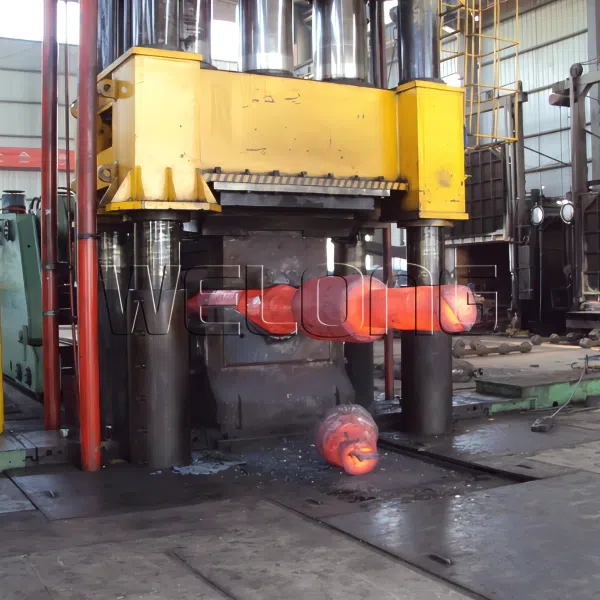
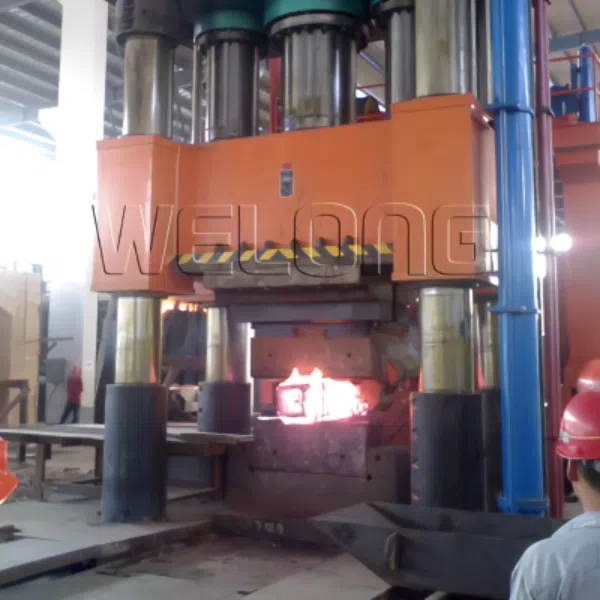
- Forgings from 0.2 to 50 tons.
Specification and Inspection Evidence
The specification table on this page is the technical basis for this review: its numeric rows define what we quote, manufacture and inspect against.
- Each piece carries a stamped serial number and stays traceable for five years to its chemical composition, mechanical properties and measurement report, with the test coupon retained.
- An EN 10204-3.1B material certificate with chemical composition and mechanical properties, a dimensional measurement report, and UT and MT reports ships with your order.
- Inspection is by coordinate measuring machine, ultrasonic, magnetic particle and X-ray.
Request a Product Review
Send the drawing, product specification and inspection requirements for a quotation review.
![Choke & Kill Hose: [Field Guide]](https://welongoiltools.com/wp-content/uploads/2026/07/choke-kill-hose-guide-featured-1-150x150.png)