Get in touch with Welong Company
Specifications & Capabilities
Pipe Handling Tools for Oil & Gas Drilling & Well Servicing
China Welong coordinates elevators, slips and elevator links against the tubular size, load class, drawing and inspection requirements in your RFQ. The quotation identifies the responsible manufacturer, proposed route and inspection scope for each item.
Request a Quote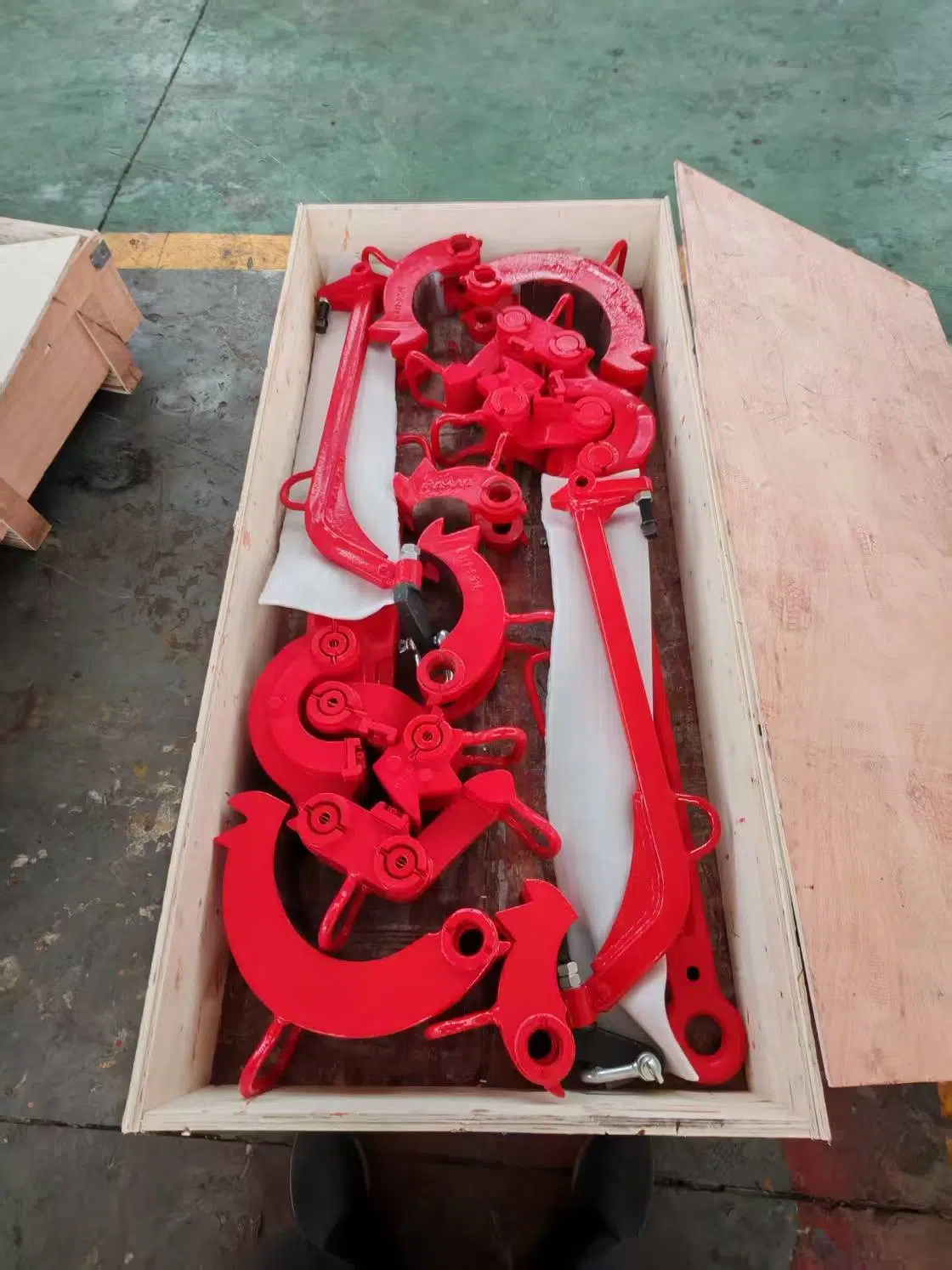
- 3 Tool families, one source
- 27 kN–500 T Elevator working load
- 675–2,250 kN Drill-pipe slip rated load
- Capacity confirmed by selected model and quotation
- API 8C & 7K Built-to standards basis
- Since 2001 Supply coordination and quality control
14% → 0.09%
Gulf of Mexico tubular-handling incident rate fell from about 14% of operations (1997) to roughly 0.09% today — driven by automation, procedure, and correct tool matching, not by capacity alone.
Source: JPT / SPE, “Evolution of Tubular Handling.” Regulators report that the large majority of lifting incidents occur on routine lifts, where procedure and recognition — not tool rating — are the common contributors.
The Right Tool for Every Tubular on the Rig Floor
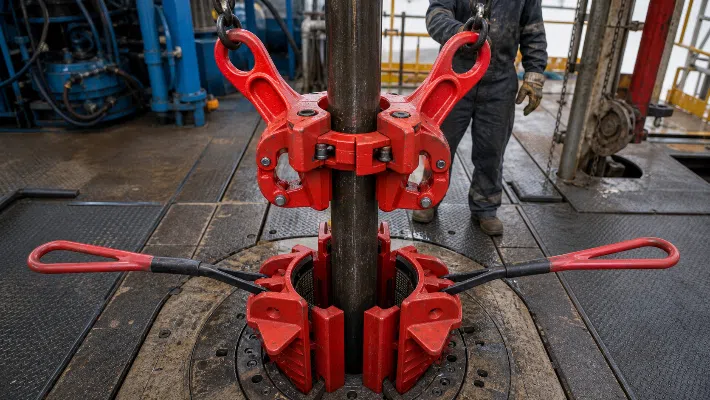
A pipe handling tool set has one job with no margin for improvisation: hold the string when it’s set in the rotary, and carry it when it’s in the air. Elevators latch around the tubular to hoist it; slips wedge into the bowl to suspend it and control the load path; elevator links and lifting bails connect the elevator to the hook.
A tempting assumption is that a higher-rated tool is always the safer choice. The honest trade-off is matching the tool to the load and the operation, not maxing the rating. Field data says the failure surface is somewhere else, in how the tool is matched, latched, and inspected, not just in its headline capacity.
So the real question this page answers isn’t “which is the biggest tool,” but “which elevator, which slip, and which bail correctly fit the pipe, the load, and the operation in front of you.” Bigger isn’t always safer.
Select elevators, slips and elevator links against tubular size, load class, drawing and inspection requirements. The quotation identifies the responsible manufacturer for each item.
The Handling-Tool Load & Size Register, Three Families, One Source
Load and size data is scattered across sub-pages and catalogues elsewhere, so matching a tool to your string means opening five documents – a real risk when a wrong load class is the gap that crushes pipe or drops a string. We publish the whole rig-floor handling set on one screen, because a buyer sizing a string shouldn’t have to reverse-engineer it from a PDF, with real working loads for each family rather than one blended number.
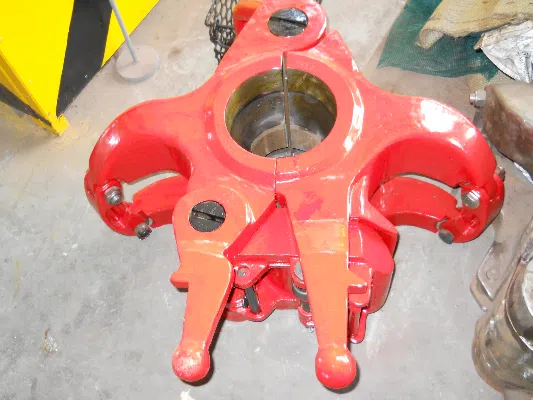
Elevators
13 types · 27 kN–500 T · API 8C
Center-latch, bottleneck, side-door, slip-type and single-joint elevators for drill pipe, casing, tubing and drill collars.
Casing, tubing & drill pipe elevators →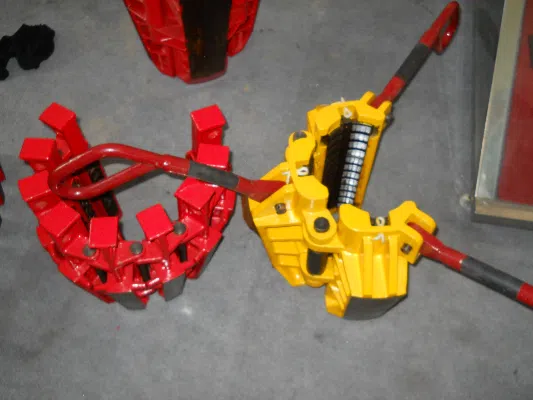
Slips & Clamps
SDS / SDML / SDXL · 675–2,250 kN · API 7K
Rotary drill-pipe slips by gripping length, drill-collar slips, multi-segment casing slips, and safety clamps.
Casing slips & drill-pipe slips →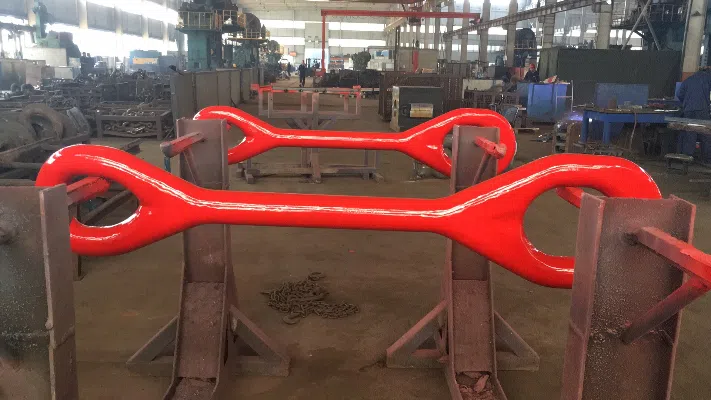
Links & Bails
Load class confirmed by selected model and quotation
Single- and double-arm swaged-forged alloy-steel elevator links and lifting bails, supplied and used as matched pairs.
Elevator links & lifting bails →ENGINEERING SPEC MATRIX
| Family | Standards basis | Welong models | Tubular / pipe range | Working load |
|---|---|---|---|---|
| Elevators | API Spec 8C | WLDD, WLDDZ, WLCD, WLCDZ, WLSLX, WLSJ, WLSP | 1.05″ – 36″ | 27 kN – 500 T |
| Slips & safety clamps | API Spec 7K | WLSDS, WLSDML, WLSDXL, WLDCS, casing slips, WLWA-T/C | 2⅜″ – 30″ casing | 675 – 2,250 kN (drill-pipe slips) |
| Elevator links & lifting bails | API Spec 8C | DH50 – DH750 | Paired with elevator | 30 – 750 t |
Loads are stated per family because elevators and links are rated by hoisting capacity while slips are rated by the gripping force they transmit – they aren’t interchangeable numbers.
Shop-floor product record
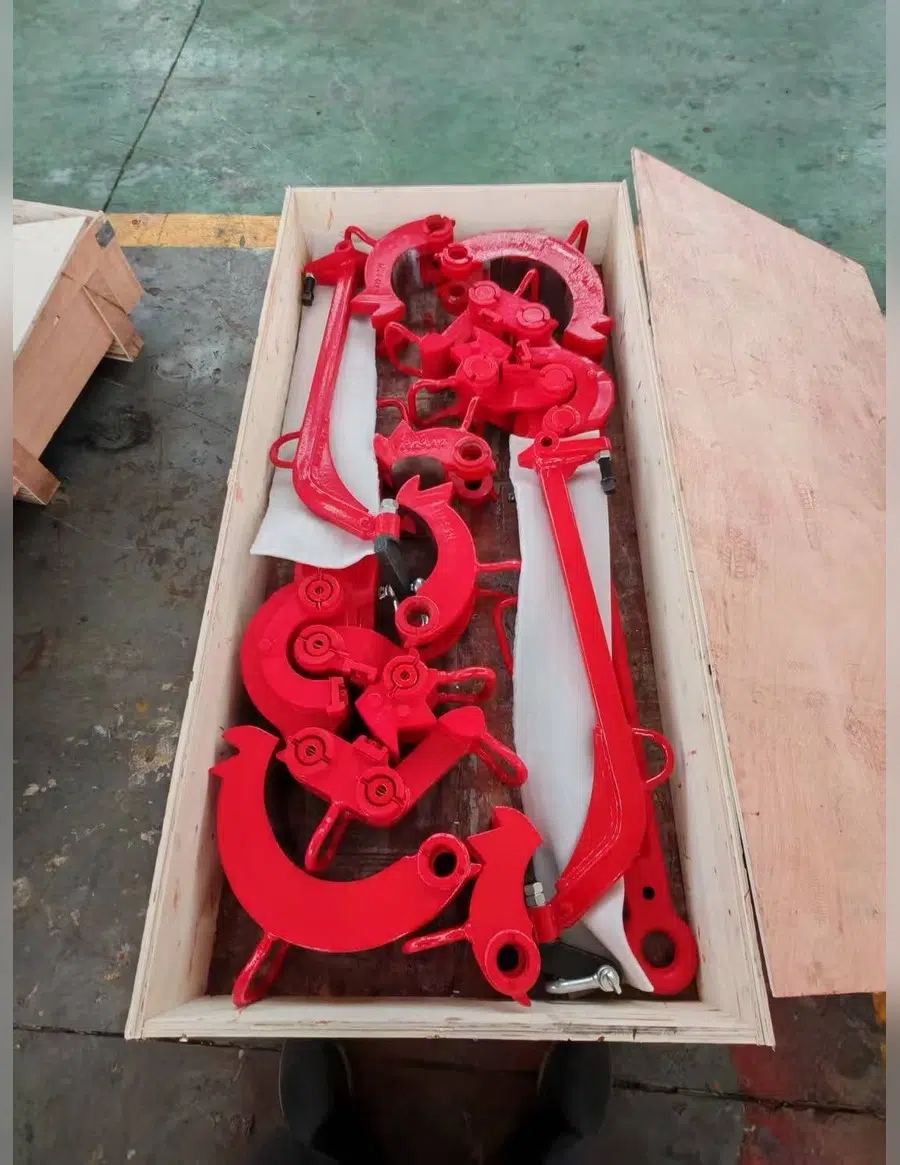
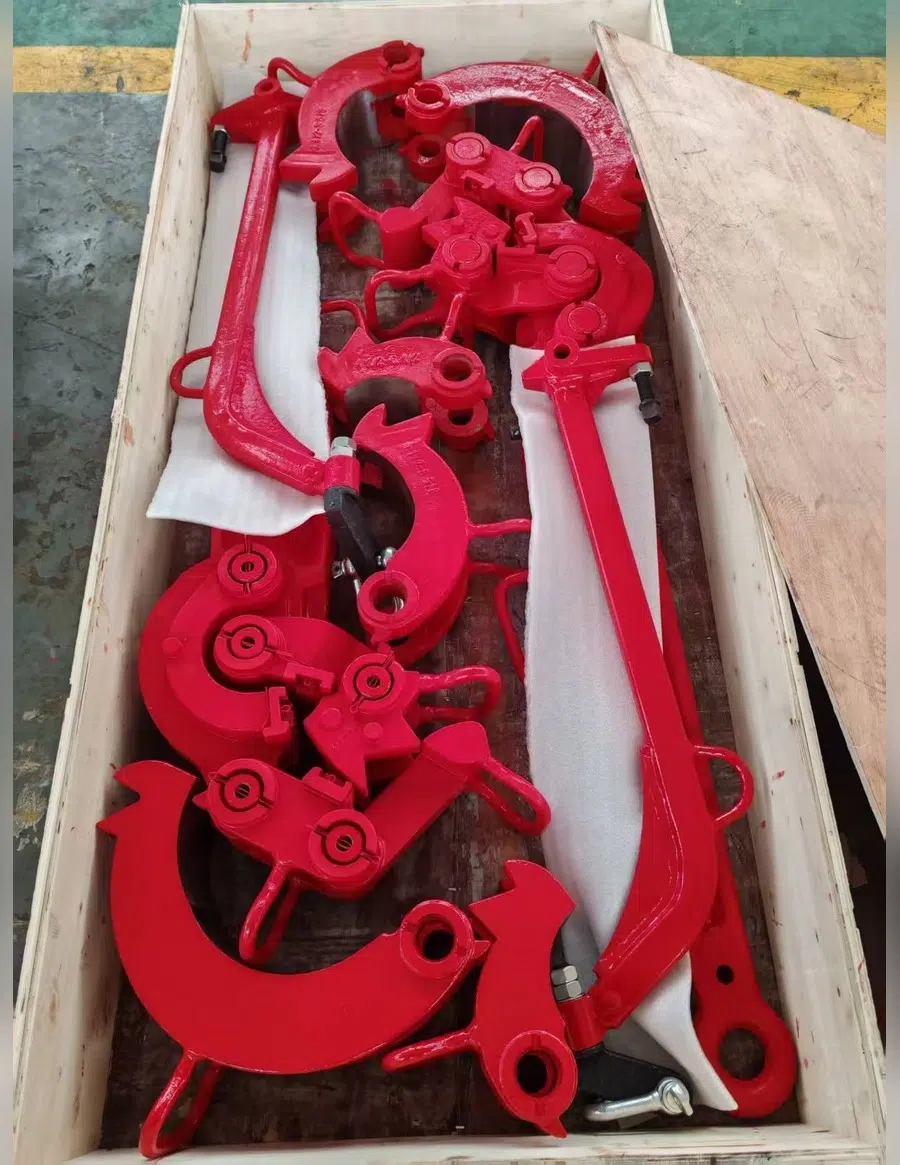
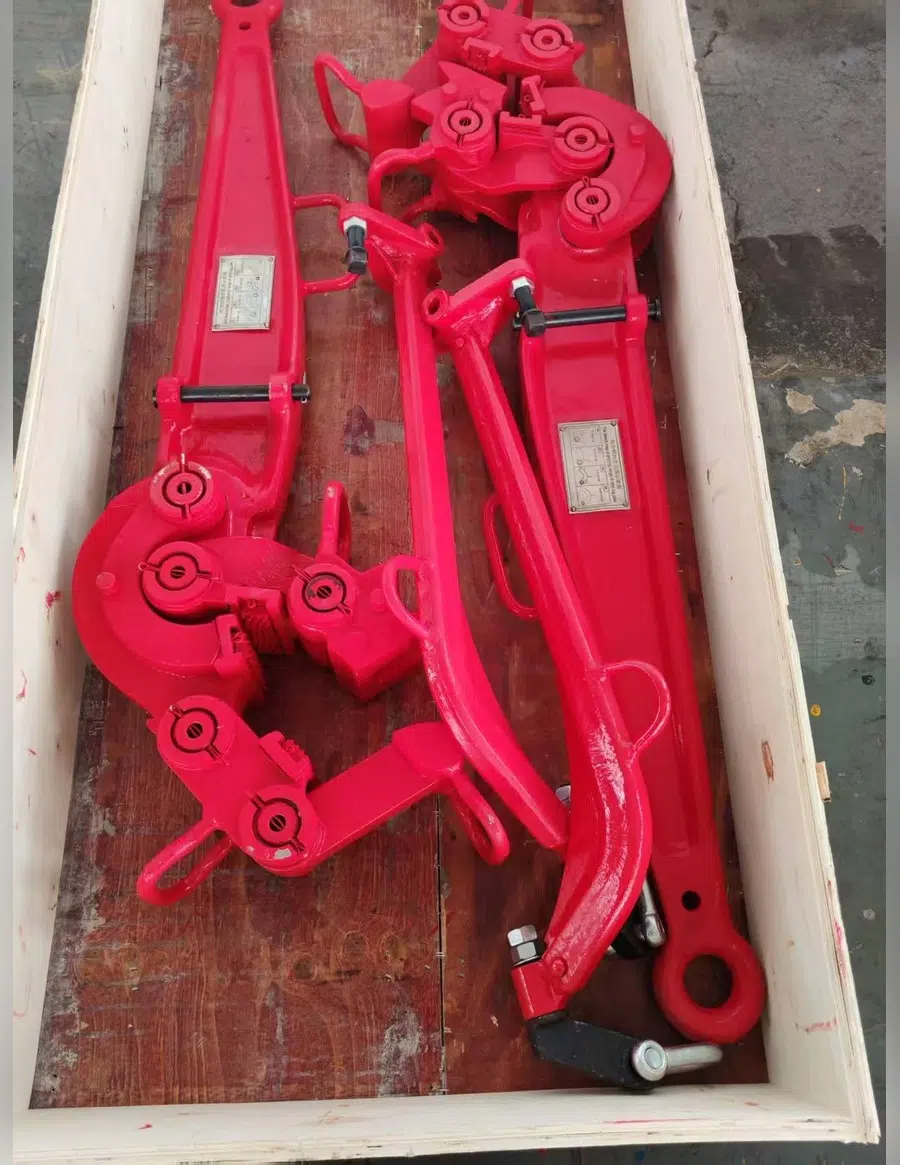
Real Pipe Handling Tool Supplement
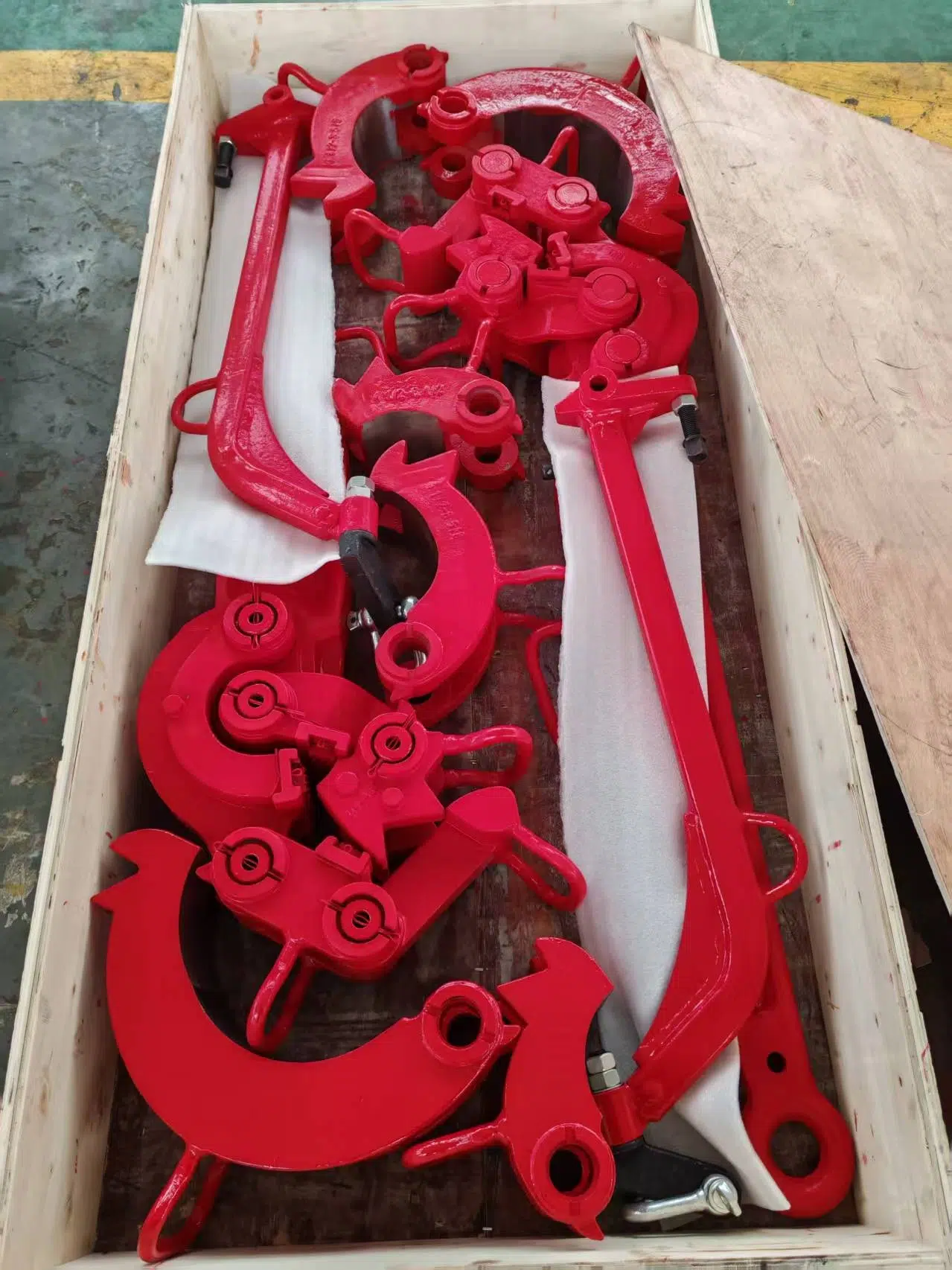
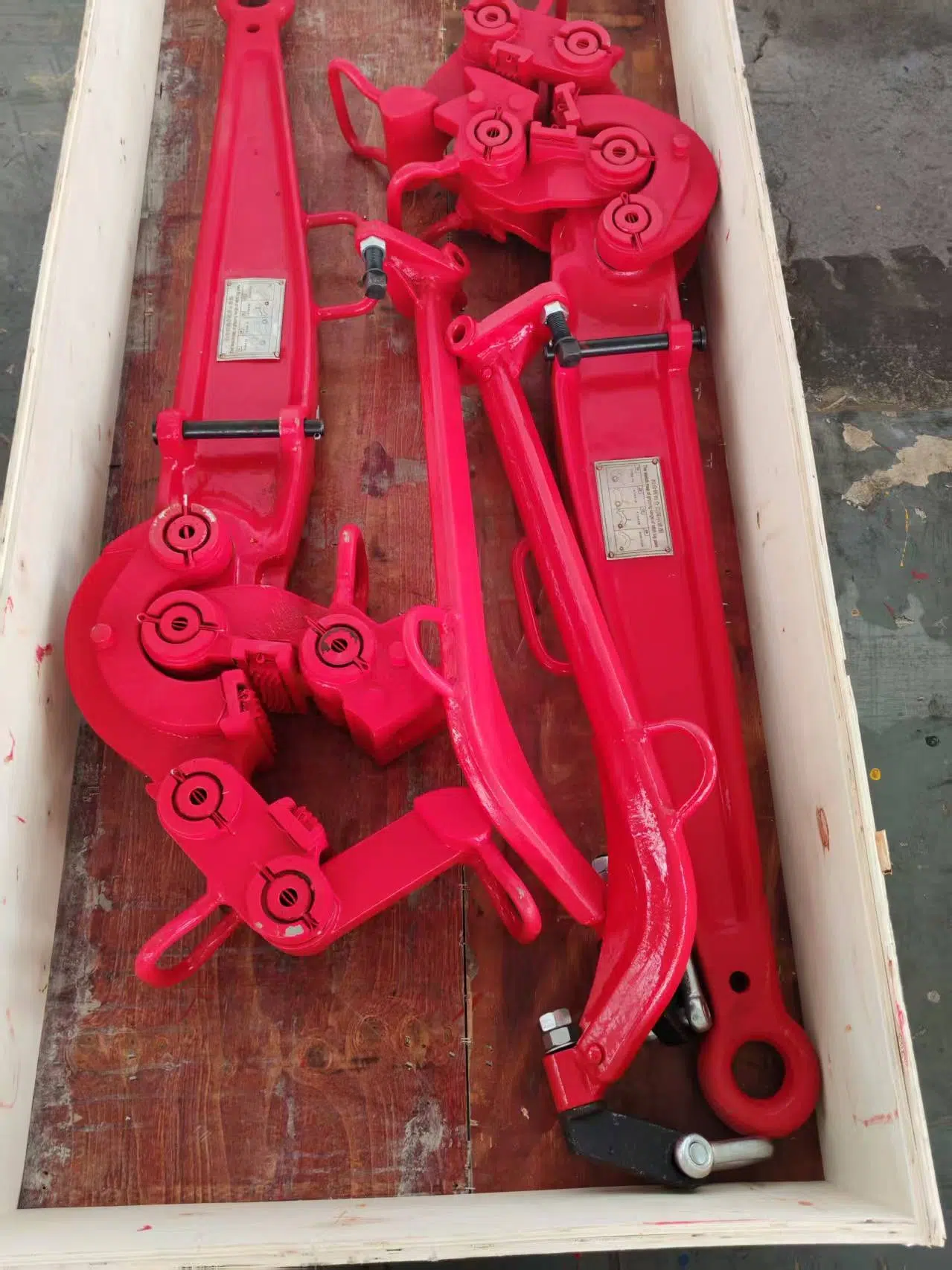
The workover tong photos add a concrete product reference to the pipe handling collection page while keeping the existing elevators, slips and links content intact. Total added photos: 3.
Workover tong referenceRig-floor handling contextFinished product checkCollection-page support
SYSTEM SPECIFICATIONS
Elevators, Casing, Tubing & Drill Pipe
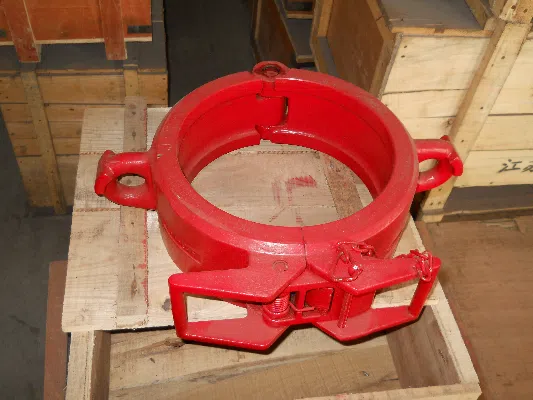
An elevator is the latched, load-bearing ring that carries the string between the slips and the hook, so its type is chosen by tubular, connection, and hoisting load. Across the full drilling and workover range, China Welong coordinates thirteen referenced elevator types, all to API Spec 8C.
Side-door and slip-type elevators earn their place on casing and collar work because a crew can side-load them without stripping the string over the top. Single-joint elevators are the small-capacity end of the line – right for stabbing a joint, wrong for carrying a running string, which is a distinction the rating number alone won’t tell you.
The quoted manufacturer confirms material, machining and proof-load scope for the selected elevator, because a latch that opens under load is the only failure mode on the rig floor that can’t be recovered. Automation in this class is moving fast, with recent patents issued on elevators fitted with pipe-racking link-tilt and gripping-type tubular handling systems, moving toward tools that will report their own latch status and load status.
API 8C ELEVATOR SPECIFICATIONS MATRIX
| Series | Type | Application | Spec range | Working load |
|---|---|---|---|---|
| WLDD | Center-latch | Drill pipe / casing / tubing / drill collar | 1.05″ – 11¼″ | 35 / 65 / 100 / 125 / 150 T |
| WLDDZ | Bottleneck | Drill pipe | 2⅜″EU – 6⅝″IEU | 150 / 250 / 350 / 500 T |
| WLCD | Center-latch | Multiple tubulars | 2⅜″ – 30″ | 100 / 150 / 200 / 250 / 350 / 500 T |
| WLSLX | Side-door | Casing & drill collar | 2⅜″ – 30″ | 100 / 150 / 250 / 350 T |
| WLSJ / WLSP | Single-joint | Pick-up & lay-down | 2⅜″ – 36″ | 27 / 45 / 60 kN |
Slips & Safety Clamps, and the Crushing Factor Most Sizing Charts Ignore
Rotary slips wedge into the bowl and deliver the suspended string weight through their dies to the rotary table; they’re thus specified by pipe OD and by gripping length. Welong drill-pipe rotary slips are offered in three gripping lengths appropriate to the hole depth.
| Type | Gripping length / duty | Pipe / casing range | Rated load |
|---|---|---|---|
| WLSDS | Short — shallow drilling | 2⅜″ – 4½″ | 675 kN |
| WLSDML | Medium — medium depth | 2⅜″ – 5½″ | 1,125 kN |
| WLSDXL | Extra-long — deep drilling | 3½″ – 5½″ | 2,250 kN |
| Casing slips | Multi-segment full wrap | 4½″ – 30″ (insert bowl No. 1/2/3) | By segment count & bowl |
| WLWA-T / WLWA-C | Safety clamp (back-up, not hoisting) | 1⅛″ – 15⅝″ | 4 – 18 chain links |
Here’s the part that trips even experienced crews: a slip’s load rating isn’t the string weight you can safely set on it. As the wedge drives down, it squeezes the pipe inward, the crushing factor, and if the string load is above the slip’s rate by about 100 tons, or the bowl is worn so the load rests on only some dies, the slip can crush the pipe or fail before you get to the chart value. Crushing factor is a trade-off that you size for, not a limit to reach.
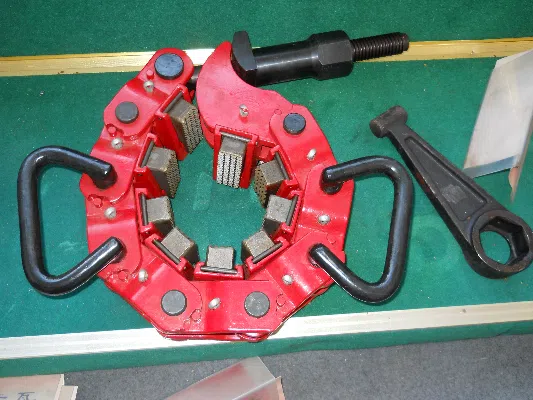
Buyer Advisory: Sizing casing slips by the crushing factor
- Ensure the slip and insert bowl are matched to the precise OD of the casing, a full multi-segment wrap spreads the load across every die.
- Confirm that string weight is safely within the slip’s rate with margin to spare, not at the limits of the rating.
- Before running deep or heavy strings, inspect bowl and die wear; the concentrated forces on worn surfaces can cause damage.
- Adhere to API RP 54 and OSHA casing-operations practice: set slips, never kick, into the bowl.
“We size casing slips to the string and the bowl, not just to a catalog capacity, the crushing factor is the number that actually decides whether the pipe survives, and it is the first thing we check on a heavy-string RFQ.”
— Welong Engineering Team, oilfield handling tools
EQUIPMENT OVERVIEW
Elevator Links & Lifting Bails, DH50 to DH750
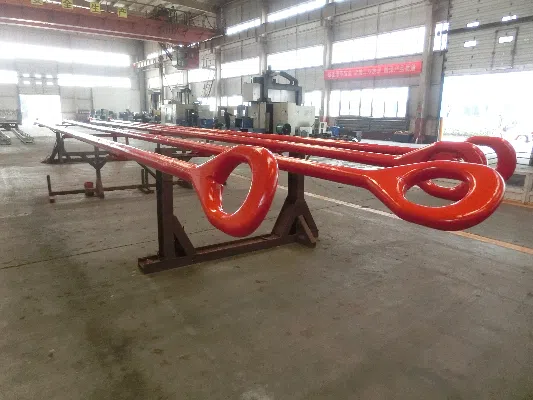
Elevator links (lifting bails) are the pair of swaged-forged alloy-steel arms that hang the elevator from the hook. They’re always specified and used in matched sets to balance the hoisting load. The quoted manufacturer confirms the forming, machining, surface-treatment and fabrication route for the selected elevator links.
Balance is important, as the two arms share the entire hoisting load in tension, and an undersized or mismatched set can lead to dropped-string incidents that aren’t apparent on the rating chart. The quotation identifies the selected matched-pair configuration, responsible manufacturer and proof-load inspection scope.
DIMENSIONAL & WEIGHT SPECIFICATIONS
| Model | Bore D (mm) | Overall length L (mm) | Weight (kg) |
|---|---|---|---|
| DH50 | 48 | 1,100 | 58 |
| DH100 | 60 | 1,500 | 118 |
| DH250 | 78 | 2,700 | 346 |
| DH500 | 115 | 3,600 | 890 |
| DH750 | 140 | 3,660 | 1,400 |
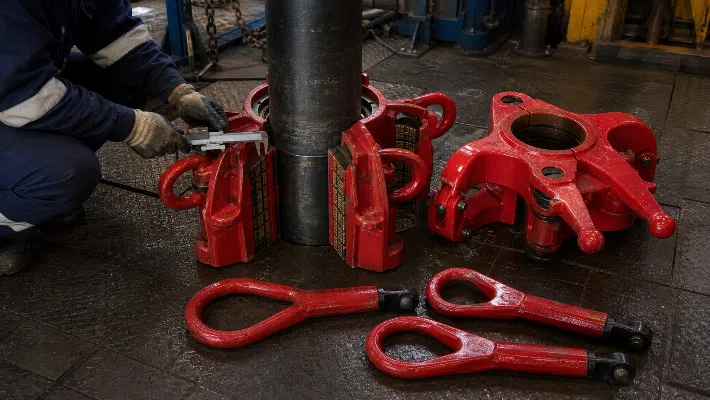
The Rig-Floor Tubular-Handling Compass, Which Tool for Which Operation
Matching handling tools is a two-axis call: the operation you’re running and the tubular in your hand together point to an elevator type, a slip type, and a sizing check. Get that match wrong and the failure shows up as crushed pipe, a slipping string, or a connection you damaged stabbing blind, risks a unit’s capacity rating alone won’t flag.
On a fresh RFQ, Welong engineers run this same Compass, because the right row is a defensible specification for your string, not a guess. Two checks keep surfacing, crushing-factor sizing on casing and a full latch before load, and they’re the steps the incident data says matter more than raw capacity, so they sit inside the selection logic, not a footnote.
| Operation | Tubular | Elevator | Slip / holding | Sizing check |
|---|---|---|---|---|
| Tripping drill string | Drill pipe 2⅜″–5½″ | WLDD / WLDDZ center-latch or bottleneck | WLSDML rotary slips | Match slip to OD; verify die & bowl wear |
| Running casing | Casing 4½″–30″ | WLSLX side-door / casing spider | Multi-segment casing slips + bowl No. | Crushing factor: string weight inside slip rate; full wrap |
| Handling drill collars | Drill collar 3″–11¼″ | WLDD center-latch | WLDCS drill-collar slips | Insert bowl No. 1/2/3 by OD |
| Single-joint pick-up / lay-down | Any 2⅜″–36″ | WLSJ / WLSP single-joint | — (elevator carries joint) | 27–60 kN; latch fully before load |
| Suspending the elevator | — | Any of the above | DH50–DH750 links / bails (pair) | Bail rating ≥ elevator rating |
Each row defines a defensible string component specification, not a guess. There are two areas consistently showing up as significant failure points in incident reports – casing size with crushing-factor checks and complete latches prior to load application on single-joint operations – so these two criteria are embedded directly into the selection process rather than tucked into an appendix.
Want us to run the Compass against your string and operation?
Request a sizing & selection review
Built to API 8C & 7K, What the Standards Actually Cover
Many handling-tool manufacturers will list a generic “API compliant” certification to obfuscate. We specify the exact mapping below because two separate, incompatible API specifications govern the product line.
API Spec 8C
Elevators & links, built-to
API Spec 7K
Rotary slips & bowls, built-to
SGS / DNV
Third-party inspection on request
Alloy steel
Swaged forging + heat treatment
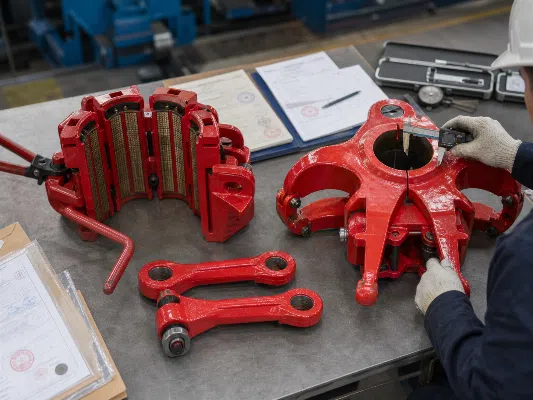
Specification Mapping
- Elevators and their attached elevator links/bails conform to API Spec 8C (Drilling and Production Hoisting Equipment), the current edition of which is the 6th Edition, published in 2025. Associated API Recommended Practice for inspection is API RP 8B; equivalent international hoisting-equipment practice is set by ISO 13535.
- Rotary slips and slip bowls comply with API Spec 7K (Drilling and Well Servicing Equipment), which also covers safety clamps when they aren’t used for hoisting. Associated API Recommended Practice for inspection is API RP 7L.
- Recommended practice API RP 54 covers operating protocols, including inspection of latches, slip taper condition, slip die condition, and procedures regarding the setting and use of slips versus kicking them into the bowl.
The selected tool is quoted against the applicable buyer and product requirements; inspection scope is confirmed with the responsible manufacturer. If your specification requires, we can arrange for third-party inspection through companies such as SGS or DNV.
On the marking right, the checkable answer
A licence marking is issued to licensed manufacturing facilities and is one indication of a works’ qualification. The selected tool is specified against the applicable buyer and product requirements, and the quotation names the works that builds it together with the inspection scope. Third-party inspection shouldn’t be equated with API certification. If independent confirmation is needed, we provide detailed material and heat treatment records and can supplement the order with third-party inspection services.
Click center image to enlarge
Supplier and quotation vs the Brand-Premium Channel
This explanation outlines our approach, not an assessment of any particular competitors. It describes the choices faced by a purchasing manager selecting a tool from China versus one from a Western country.
| Factor | Welong (supplier and quotation) | Distributor / brand-premium channel |
|---|---|---|
| Standards basis | Built to API 8C & 7K | Built to API 8C & 7K, licence scope named |
| Spec transparency | Full load / size tables published | Often catalog or on-request |
| Third-party inspection | SGS / DNV added on request | Varies by supplier |
| Sourcing | Responsible manufacturer identified; supply coordinated to drawing | Through a distribution markup |
| Trade terms | FOB / CIF / DDP / DDU | Varies |
Need documented compliance for a spec?
Request inspection & material documentation →
INTERACTIVE UTILITIES
Rig-Floor Engineering Toolkits
Select matched handling tools, verify safe casing crushing factors, and calculate elevator-to-bail load compatibility with our sizing utilities.
KNOWLEDGE BASE
FAQ: Pipe Handling Tools
The three main families that go up on the rig floor include the elevators, slips, and bails. The elevators are what lift the tubing up out of the hole, the slips (or clamping devices) secure it in place in the wellbore, and the bails attach the elevators to the rig’s hook.
For drill pipe operations, usually a center-latch or bottleneck elevator with drill pipe slips is used, whereas casing operations use a side-door elevator or a casing spider with a multi-segment casing slip. Similarly, for drill collar work, a drill collar slip with a corresponding insert bowl is used. In the table above, the Compass system relates these operations to a particular Welong model.
We carry two different specifications; elevators and links fall under API Spec 8C for hoisting equipment, while slips and bowls fall under API Spec 7K. Being “built to” this specification means the elevator, slip or bail was quoted against the standards and material requirements outlined by API, with the responsible works named on the quotation.
While a slip is rated to hold a certain load, it doesn’t refer to the total weight that can be held without collapse of the drill pipe, because engaging a slip also constricts it. Exceeding the slip’s rate, or a worn bowl that lands the load on fewer dies, can crush the drill pipe before the rated slip weight is ever reached. That’s why casing slips are sized to match both the bowl and the casing string weight.
Inspection requirements for the selected elevator, slip or bail are confirmed with the quoted manufacturer. On request we add third-party inspection by SGS or DNV, and supply material and heat-treatment records for your file.
Yes. In addition to our standard catalog offering, the quoted manufacturer supplies to the customer’s specification, whether it’s a drawing, a sample, or an existing specification – this is how most customers will integrate new components to match an existing inventory of components or an established well-site application.
A single joint elevator (27-60 kN class) is used to pick up and lay down drill pipe and tubing one joint at a time. This elevator type is suitable for stabbing the end of a single joint of pipe, but inappropriate for running the string, and the catalog rating doesn’t provide that distinction.
We provide options including FOB, CIF, DDP, or DDU through sea, air, or rail. Upon receiving your string data and operation details, we’ll furnish a tailored specification, an inspection plan, and appropriate delivery terms for your particular requirements.
Working with China Welong
Order Terms, Evidence and Next Steps
The commercial terms below apply to every oilfield tools order we quote. They are the same terms our quotation repeats back to you, so nothing on this page has to be re-negotiated once a drawing is on the table.
What we make, and from what
We work from 2D drawings and 3D CAD models (AutoCAD, Pro/ENGINEER and SolidWorks; .dwg and .igs).
Founded in 2001. Manufacturing at Xi’an, Shaanxi and at Jiyuan, Henan, with 30+ engineers on staff.
Forgings from 0.2 to 50 tons, finished to 0.01 mm machining precision. Material standards to ISO, BS, ASTM, ASME, DIN, JIS and GB.
How the price is set
Send a drawing and we reply within 24 hours; a drawing-based quotation follows in 1–3 working days.
Payment is T/T or L/C. We ship EXW, FOB, CFR or CIF; other Incoterms on request.
Orders ship in standard export wooden cases, or the packing you specify.
When it ships
Production lead times are confirmed with your quotation, based on quantity, process route and finishing scope.
We hold agreed items in stock and ship against your release to shorten delivery.
Who makes it, and who answers for it
Every quotation states whether the item is made in our own works or by an approved supplier we developed and supervise.
Material mills are re-audited every two years and approved by Welong before they run your order.
The evidence that travels with the order
An EN 10204-3.1B material certificate with chemical composition and mechanical properties, a dimensional measurement report, and UT and MT reports ship with your order.
Inspection is by coordinate measuring machine, ultrasonic, magnetic particle and X-ray.
Each piece carries a stamped serial number and stays traceable for five years to its chemical composition, mechanical properties and measurement report.
What to send to start
Send the drawing or a photograph of the part, the dimensions, the material requirement and the quantity to oiltools@welongpost.com, call +86 029 88331331 or message WhatsApp +86 135 7217 2362, or use the enquiry form on our contact page.
An engineer reviews it and comes back within 24 hours.
| Term | What we commit to |
|---|---|
| Quotation turnaround | Reply within 24 hours; drawing-based quotation in 1–3 working days |
| Production schedule | Confirmed with your quotation, by quantity, process route and finishing scope |
| Drawing formats | 2D drawings and 3D CAD models (.dwg, .igs) |
| Company | Founded in 2001 |
| Machining precision | 0.01 mm |
| Forging envelope | 0.2 to 50 tons |
| Serial traceability | 5 years, with the test coupon retained |
| Documents with shipment | EN 10204-3.1B certificate, measurement report, UT and MT reports |