Get in touch with Welong Company
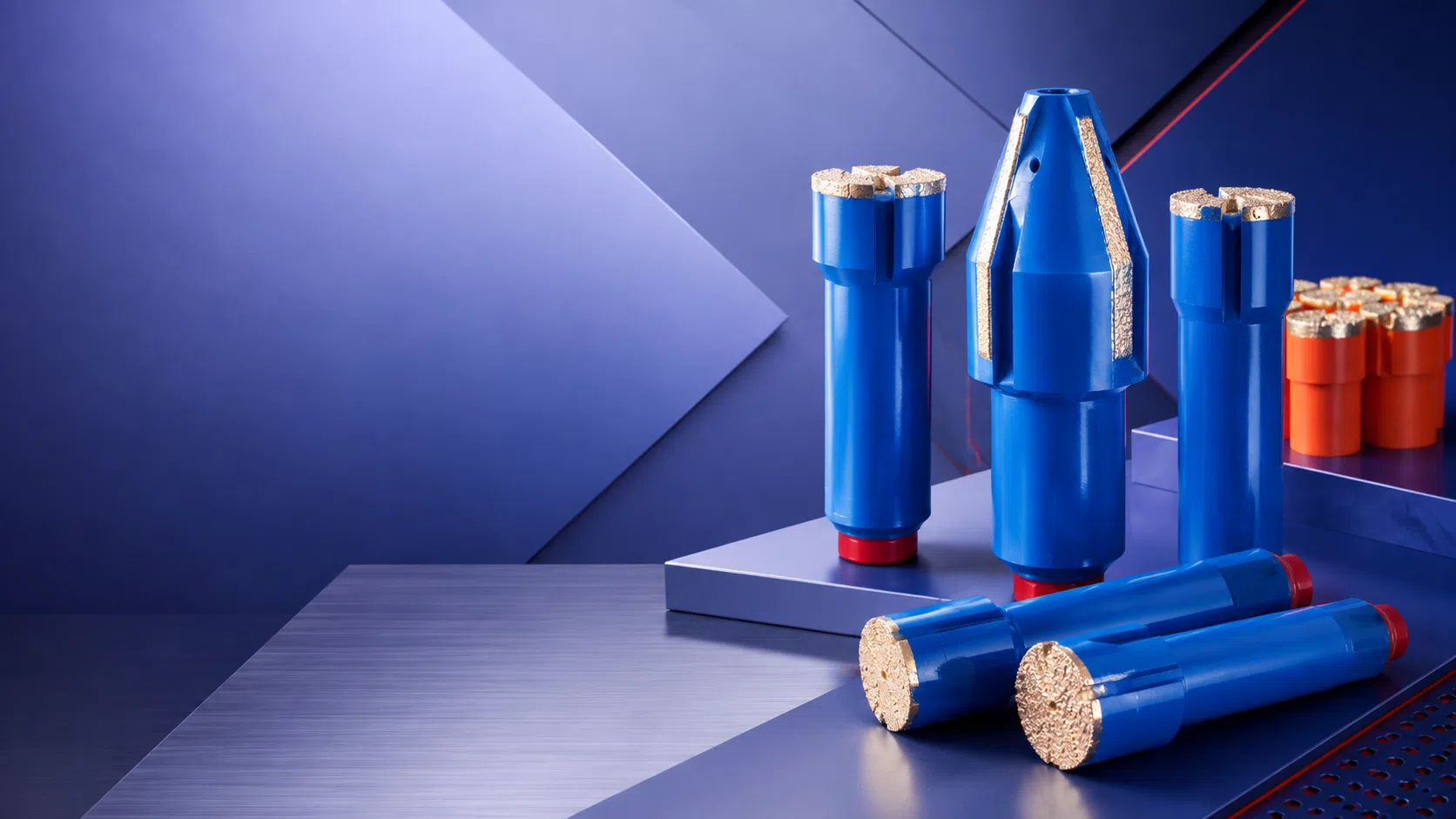
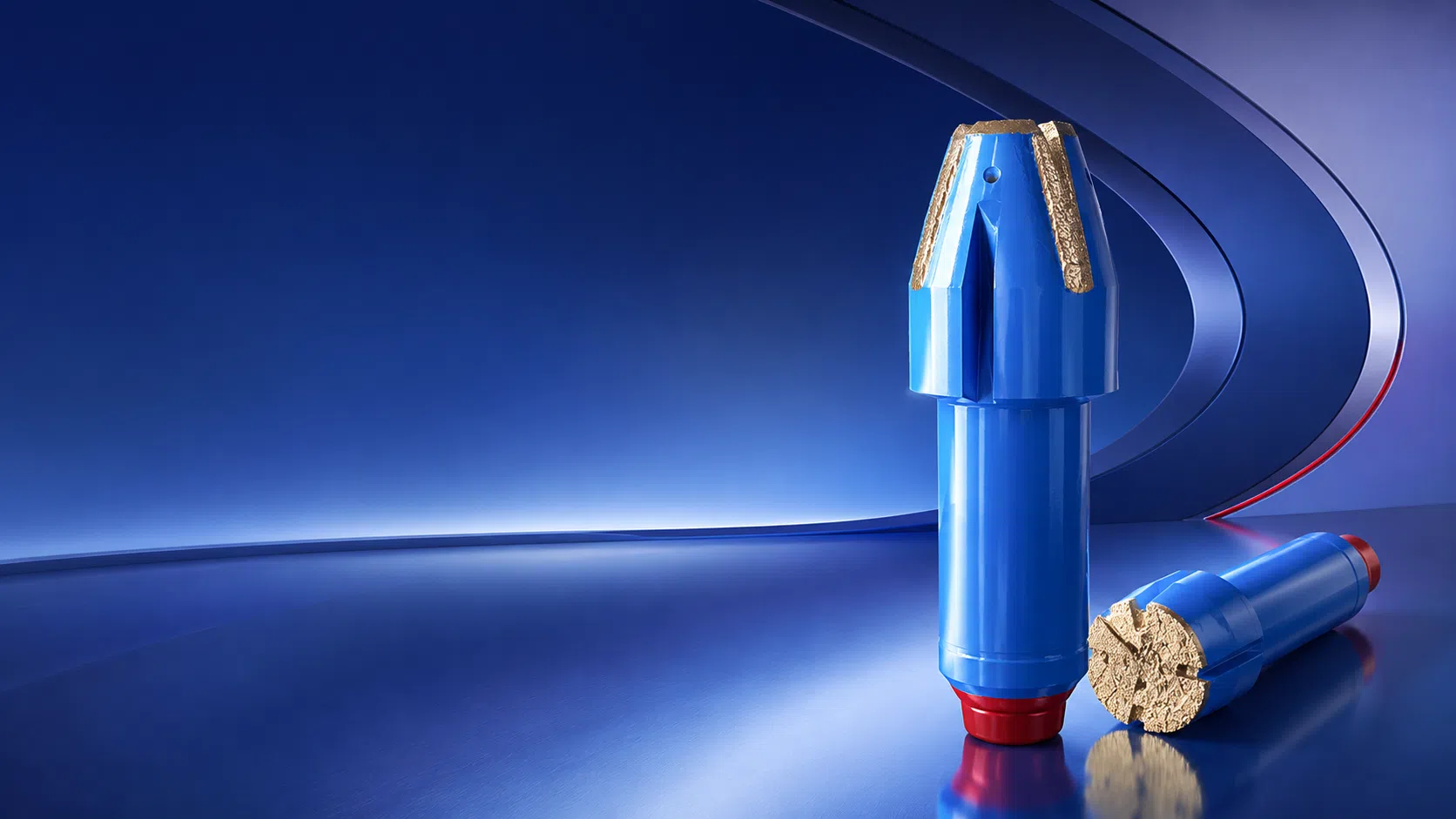
Junk Mill& Taper Mill
API REG/NC Downhole Milling Tool Supply
Junk mills and taper mills can be matched to the string OD and connection; confirm the selected configuration for the planned operation.
14 Sets
Junk Mill OD & Conn.
15 Sets
Taper Mill OD & Conn.
2⅜″–7⅝″
API REG/NC Connections
Manufacturing
5
Junk Mill Body Designs
FOB/CIF/DDP
Incoterms
When Fish or Restrictions Stall Your Well, Junk Mill & Taper Mill Clear the Path
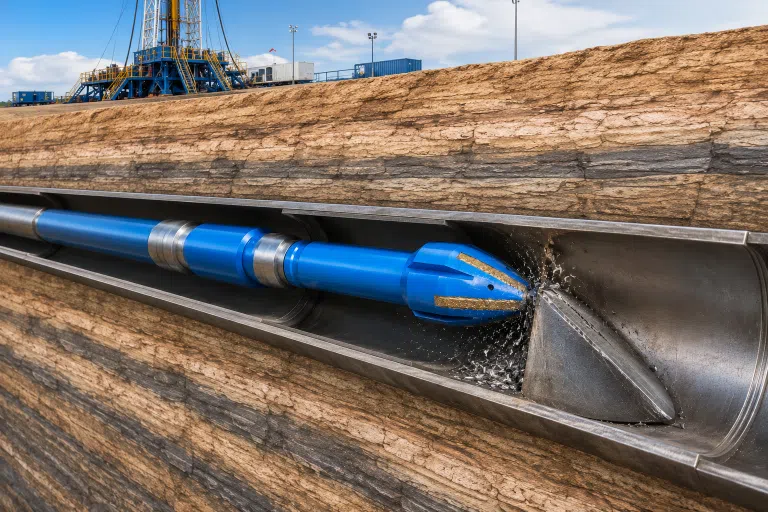
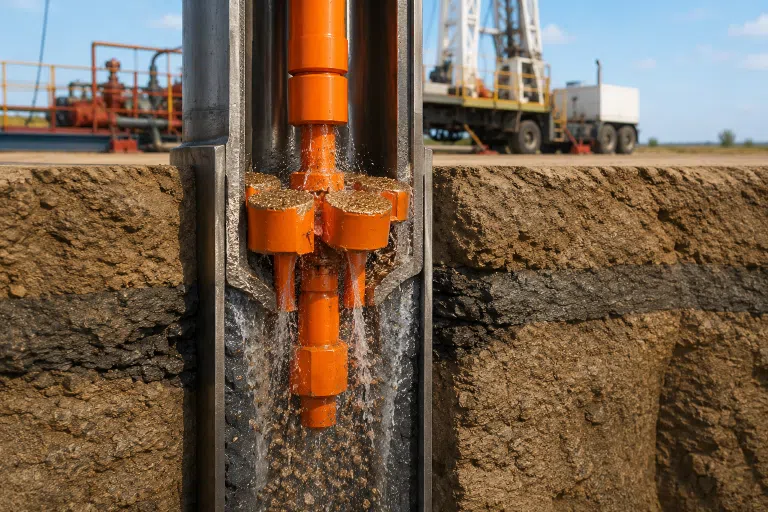
Junk mill and taper mill tools solve two different downhole problems that both stop a rig cold, and both sit within Welong's broader oilfield fishing tools and downhole milling tools lineup. Loose metal, cement, and stuck-tool debris need grinding out before you can run new completion equipment. Collapsed, deformed, or scaled-up casing needs reaming back to bore size before anything else fits through it.
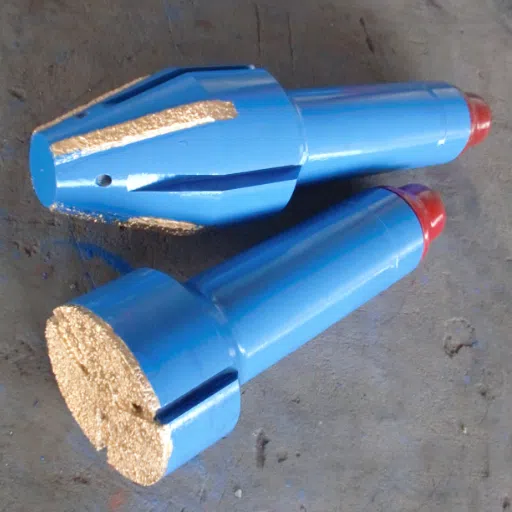
Loose junk in the hole → Junk Mill
(flat-bottom or concave design)
Collapsed or scaled casing/tubing → Taper Mill
(fishing tool for restriction repair)
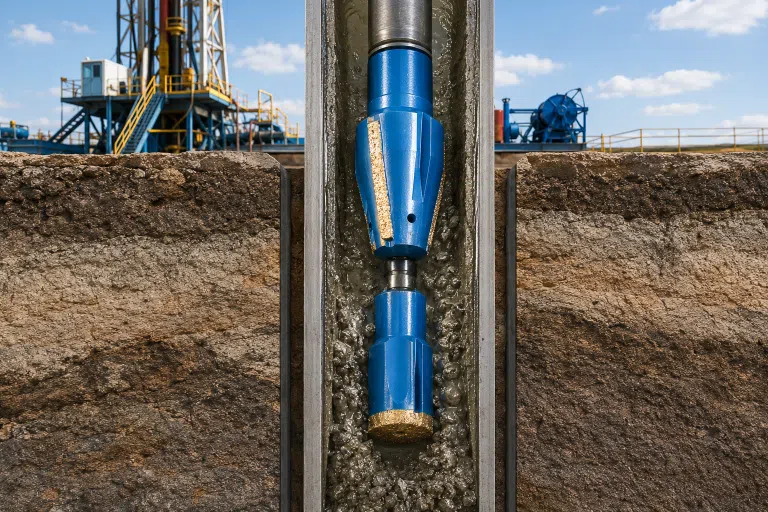
How to Describe Your Fish When You Call
Four facts speed up any RFQ: casing/tubing OD and connection, whether the fish is loose or fixed, what it is made of (metal, cement, or mixed), and whether the well is cased or open hole. That is usually enough to shortlist a Junk Mill body style or Taper Mill size before a formal drawing changes hands.
Misdiagnosing the fish can cost more than the tool itself because a wrong first trip can require pulling the string, re-diagnosing, and tripping back in. The selection should distinguish the relevant failure mode and match the mill body style to the fish before the quote stage.
Not sure which tool your fish needs? Check My Casing Size Compatibility →Junk Mill and Taper Mill Selection
Picking the right mill is not always straightforward. Insert-style mills can suit tubular fish but may underperform on loose junk. The wrong style can cause a wasted trip and added rig time because re-running a second mill costs both days and dollars. Use the framework below to diagnose the fish before selecting a tool.
Common Misdiagnosis Signal
An insert-type mill ordered for "general junk" often turns out to be the wrong call, insert bodies are built for tubular fish, and they underperform on loose debris that a concave or flat-bottom design would clear in one pass. If the fish description says "loose" or "debris," start with a carbide-hardfaced body, not an insert body.
3-Signal Fish Diagnosis Framework
Three questions decide the tool: is the fish loose or fixed in place, is it tubular or irregular junk, and is the casing intact or collapsed? Answer those and the mill type follows.
| Fish / Restriction Condition | Recommended Tool | Why |
|---|---|---|
| Loose junk (bit cones, cutters, small metal debris) | Concave Junk Mill | Concave face centers loose objects under the cutting surface for effective milling |
| Cement, packer, plug material | Flat Bottom Junk Mill | Flat cutting face + circulation ports handle mixed soft/hard debris |
| Deformed or crimped casing/tubing/liner top | Taper Mill | Tapered geometry gradually re-enlarges the restriction |
| Mineral scale/burrs on casing or liner ID | Taper Mill | Reams scale and burrs back to bore size without over-cutting |
| Whipstock window deburring | Taper Mill | Same reaming action clears sidetrack window edges |
| Extreme collapsed pipe | Junk Mill (light weight, ~150 RPM) | Stabilized, rigid BHA + light weight mills through the collapsed section into sound casing below |
| Tubular fish requiring insert-type cutting | Junk Mill (insert body) | Insert mills excel on tubular fish; they underperform on loose junk |
A published industry case documents a well where a 4¾" conventional junk mill made only 8 ft of penetration on a tubing fish before the operator switched to a different mill design and cleared the obstruction across four runs. That's not a Welong result, it's a reminder that tough fish sometimes takes more than one pass regardless of brand, which is exactly why the diagnosis step above is worth the extra five minutes.
Run a taper mill lighter than a junk mill or pilot mill. Once the mill engages the fish top, weight is increased gradually, often to 1,000–2,000 lbs, rather than applied all at once.
"We get asked more often about which mill to run than about price. Get the fish diagnosis wrong and you're pulling the string for a second trip, that costs more than the tool ever does."
Welong Junk Mill & Taper Mill, Sizes & Specifications
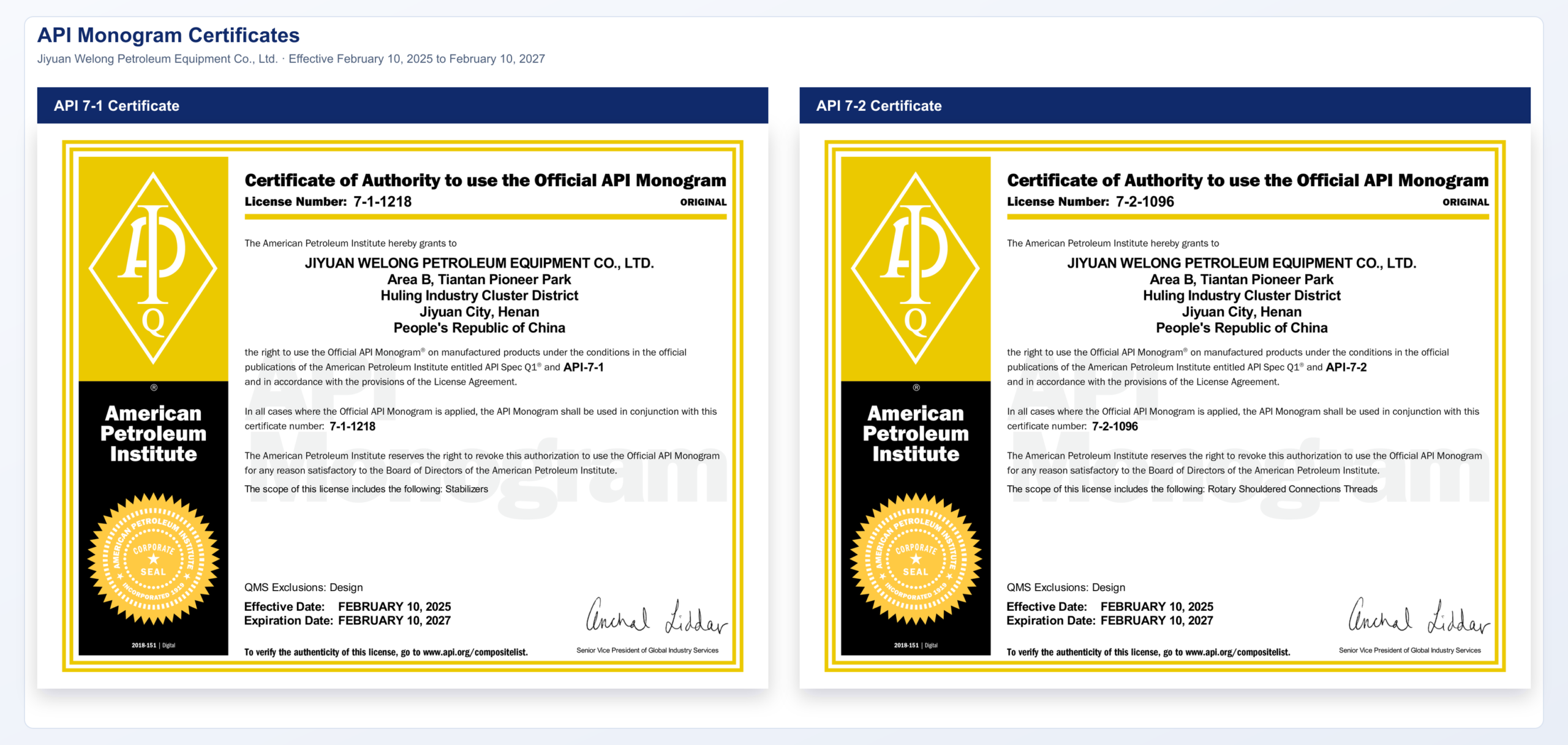
Both tools share Welong's standard API connection lineup, REG and NC per API 7-1/7-2 rotary shouldered connection gauging, so a matched pair can run on the same string.
REG (Regular style) connections are the traditional choice for inner-upset drill pipe strings, while NC (Numbered Connection) sizes use a two-digit pitch-diameter designation with a standardized V-0.038R thread form. Match your existing string's connection type first, most operators don't mix REG and NC mid-string without a crossover sub.
Both mills are rated for cased- and open-hole operations, so the same tool line covers wellbore cleanout, sidetrack prep, and workover fishing without a separate open-hole-only or cased-hole-only product split. Unlike catalogs that publish a single generic OD range, this application-level detail is what field engineers use to shortlist a size in the field before requesting a formal quote.
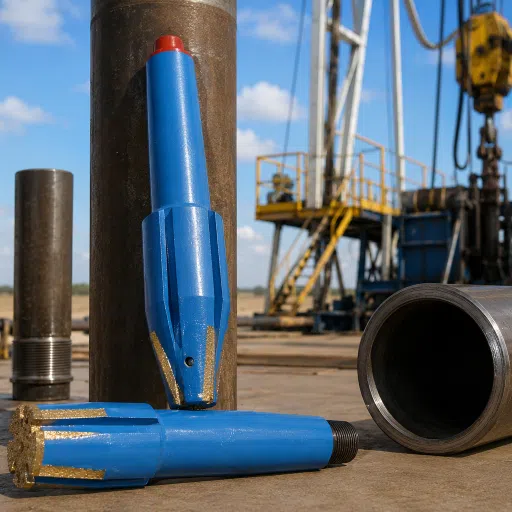
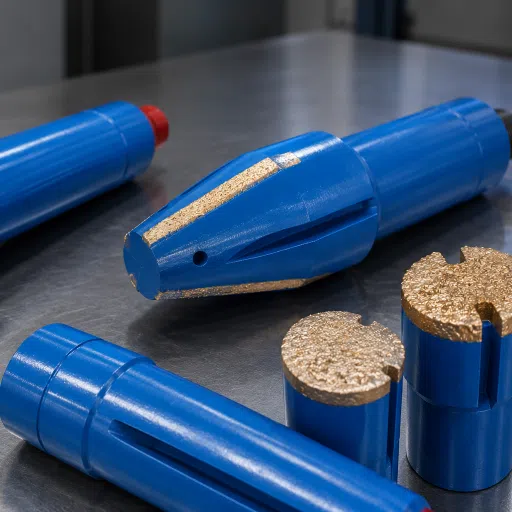
The body is machined from heat-treated steel, then the milling surface is faced with crushed tungsten carbide particles bonded into a YD-alloy matrix, a wear-resistant hardfacing approach used across the downhole tool industry to crush and clear abrasive, high-impact contact with metal and cement. Grit selection is a trade-off: coarser carbide removes material faster but chips under impact, while finer grit holds an edge longer per run at a slower cut rate, mid-range grit is the practical balance most downhole hardfacing settles on.
Source: USPTO Patent US8322466, hardfacing having tungsten carbide pellets for downhole tools
| Body Style | Cutting Structure | Best For |
|---|---|---|
| Flat Bottom | Flat carbide-faced bottom, wide circulation ports | Cement, general junk, mixed soft/hard debris |
| Concave | Concave bottom centers the fish under the cutting face | Loose junk — bit cones, cutters, small metal debris |
| Bladed / Integral Bladed | Raised carbide-dressed blades | Aggressive milling of tubulars and heavier junk |
| Milling Shoe | Same cutting face, shoe-style body | Buyers who ask for this tool by its older field name |
| Conebuster | Combines hammering and cutting action | Bit cones and hardened junk that resists straight cutting |
| Insert | Individually set carbide inserts | Tubular fish; underperforms on loose junk |
| OD mm (in) | Connection (API) | Overall Length mm (in) |
|---|---|---|
| 80 (3 1/8) | 2 3/8 REG | 300 (11 3/4) |
| 89 (3 1/2) | 2 3/8 REG | 500 (19 5/8) |
| 92 (3 5/8) | NC23 | 500 (19 5/8) |
| 102 (4) | NC31 | 500 (19 5/8) |
| 146 (5 3/4) | NC38 | 500 (19 5/8) |
| 190 (7 1/2) | NC50 | 500 (19 5/8) |
| 292 (11 1/2) | 6 5/8 REG | 500 (19 5/8) |
| 425 (16 3/4) | 6 5/8 REG | 500 (19 5/8) |
| OD mm (in) | Connection (API) | Suitable Hole Dia (mm) |
|---|---|---|
| 89 (3 1/2) | 2 3/8 REG | 95.2–101.6 |
| 121 (4 3/4) | 2 7/8 REG | 130.0–139.7 |
| 140 (5 1/2) | 3 1/2 REG | 155.6–165.1 |
| 178 (7 1/32) | 3 1/2 REG | 190.5–209.5 |
| 232 (9 1/8) | 6 5/8 REG | 244.5–269.9 |
| 279 (11) | 6 5/8 REG | 298.5–317.5 |
| 381 (15) | 6 5/8 REG | 406.4–444.5 |
Welong vs Generic Suppliers, What You Get Beyond the Mill
Some product pages omit OD, connection, or length data, so buyers may need to request a datasheet before knowing whether a tool fits their well. Compare the selected configuration, inspection scope, and total cost of ownership before opening an RFQ.
What You Need to Decide
Reference Supplier Page
Welong
Published OD/connection/length specs
0 rows (spec sheet on request)
29 rows published (14 Junk Mill + 15 Taper Mill)
Inspection stages disclosed
Not stated
Inspection scope confirmed per order; third-party inspection optional
Shipping method options
Not stated
Sea / air / rail
Trade term options
Not stated
FOB / CIF / DDP / DDU
Junk Mill body style options published
1-2 styles reference
5 styles (Flat Bottom / Concave / Bladed / Conebuster / Insert)
Hardfacing material named
Rarely specified
YD-alloy tungsten carbide, grit trade-off explained
Comparison reflects publicly available product-page content from major fishing & milling tool suppliers at time of writing; not a claim about their internal capabilities.
Why Published Specs Matter Before You Call
When OD, connection, and length aren't published, every RFQ starts with a data-collection round trip before anyone can confirm fit. Publishing the full 29-row lineup up front means an engineer can shortlist a size before requesting a quote, not after.
Some smaller regional suppliers do publish comparable spec tables, that's a fair table-stakes bar, and one this page is built to meet rather than undercut with vague ranges.
Buyers who pre-qualify suppliers before they need one avoid the worst surprises, inconsistent tolerances, missing inspection records, unclear standards compliance. For the selected junk-mill order, Welong identifies the responsible manufacturer, inspection scope and document package in the quotation.
What In-Process Inspection Actually Checks
Dimensional checks against drawing tolerance at each production stage, hardfacing thickness and coverage on the cutting face, and connection gauge fit before final assembly, not just a visual pass before the crate ship.
Welong ships into Europe, the US, the Middle East, Russia, and South America, so export documentation, packaging for long transit, and Incoterms familiarity aren't an afterthought bolted onto a domestic-first process. Third-party inspection bodies such as SGS and DNV operate under internationally recognized conformity-assessment frameworks for inspection (ISO/IEC 17020), which is the basis for an optional third-party tier whose scope is confirmed in the quotation.
Beyond the Mill, Supply Chain Background
Welong's background spans supply chain experience serving international drilling equipment brands, plus Supplier Development & Management, Purchasing Supervising, and Quality Control services since 2001.
Want our inspection documentation on file before you order?
Request product information →
Procurement Guide, Lead Time, Inspection Tiers & Incoterms
Unplanned rig downtime makes correct fishing-and-milling tool selection important. Confirm the required body style, connection, and inspection scope at RFQ.
$50K–$200K+
Source: maxgrip.com industrial downtime cost research — Silver-tier TCO context, not a guaranteed savings claim
Standard sizes ship from stock production runs; custom OD/connection combinations follow a build-to-order cycle. Both In-process and Final Inspection are included by default, third-party SGS/DNV inspection is a line-item add-on, not a delay.
- Inspection tiers run standard (in-process + final) or standard plus third-party (SGS/DNV)
- Incoterms span FOB / CIF / DDP / DDU, compare landed cost, not just unit price
- Shipping options include sea (standard), air (urgent), and rail (Central Asia/Europe lanes)
- Sizing: match connection + OD from the spec tables above before requesting a quote
FOB puts freight and import handling in your hands, which suits buyers with an established freight forwarder. DDP shifts customs and delivery risk to us, which suits a first-time buyer in a new market. CIF and DDU sit between the two, the honest answer is to pick based on who's equipped to manage customs clearance, not the trade-off of unit price alone.
If the compliance chain requires independent inspection, add the agreed SGS or DNV scope at order time rather than after the tool ships. Retroactive third-party sign-off on a tool already in transit is rarely possible.
Order quantities range from single replacement tools to multi-size sets covering a full string program; pricing factors scale with body style, connection size, hardfacing grade, and inspection tier rather than a flat per-unit rate. Total cost of ownership, not the lowest line-item price, is what procurement teams increasingly evaluate suppliers on, logistics complexity and quality consistency both feed into that number.
Getting tools to a remote wellsite involve customs clearance, transport permits, and sometimes hazardous-goods paperwork, complexity that's easy to underestimate until a shipment stalls at the border. That's why we quote against FOB/CIF/DDP/DDU rather than a single fixed shipping arrangement.
Engineering & Selection Tools
FAQ
What is the difference between a taper mill and a junk mill?
A junk mill grind and clears loose objects out of the well, metal debris, cement, packer parts. A taper mill restores a deformed or collapsed casing/tubing section back to bore size instead of clearing loose debris.
Can one mill handle both loose junk and a collapsed casing section?
Not reliably. Selection depends on the fish condition, loose junk favors a concave junk mill, while a collapsed or deformed casing section calls for a taper mill's gradual reaming geometry.
What API connections does Welong support on Junk Mill and Taper Mill?
2 3/8 REG through 7 5/8 REG and NC23–NC50, matching API 7-1/7-2 rotary shouldered connection gauging across 14 Junk Mill and 15 Taper Mill standard OD/connection combinations.
Do you offer third-party inspection?
The quotation identifies the in-process and final inspection scope for the selected mill. Third-party inspection by SGS, DNV, or another qualified provider can be arranged when requested.
What's a common mistake buyers make when evaluating oilfield tool suppliers?
Treating procurement as a pure lowest-price decision can overlook the cost of inconsistent machining tolerance or missing inspection records. Confirm the selected mill's inspection scope and documentation before purchase.
Can Welong supply non-standard OD or connection sizes?
Yes, the tables above cover standard stock sizes; custom OD, connection, or length combinations are available on request through the same inspection and Incoterms framework.
What delivery information should be confirmed for standard and custom sizes?
Standard OD/connection combinations from the tables above follow our stock production cycle; custom combinations follow a build-to-order cycle that runs longer. Request a lead-time estimate against your exact spec rather than assuming a single blanket number applies to every size.
Should I ask for an insert-type junk mill or a carbide-hardfaced junk mill?
Insert-type mills (individually set tungsten carbide inserts) tend to perform best on tubular fish, while carbide-hardfaced flat bottom or concave designs are the more common choice for loose junk and mixed debris. Your fish diagnosis from the Selection Matrix above points to the right structure before you request a quote.
Are Junk Mill and Taper Mill rated for both cased-hole and open-hole work?
Yes, both tool lines cover cased- and open-hole operations, so the same lineup support wellbore cleanout, sidetrack window prep, and workover fishing without switching to a separate open-hole-only product.
Does hardfacing choice affect which mill I should order?
It affects how the mill performs more than which fish it suits. Coarser tungsten-carbide grit can remove material faster but may chip under impact loads, while finer grit can hold an edge longer at a slower cut rate. Provide the reference junk composition for a configuration review.
Why does Welong publish full specifications instead of "contact us for details"?
Because most buyers we talk to already know their casing OD and connection type when they arrive, publishing the tables let an engineer confirm fit in minutes instead of waiting on a data-collection email thread before a quote can even start.
What happens if a tool arrives with a dimensional or connection issue?
The quotation identifies the in-process and final inspection records required for the selected production run. When those records are supplied, use them as the first reference for a discrepancy.
Procurement & Capability
Junk Mill & Taper Mill Capability Review
China Welong reviews the buyer drawing, product specification and inspection scope before quotation.
This review is scoped to the Junk Mill & Taper Mill configurations set out in the specification table on this page — 8 documented rows covering OD mm (in), Connection (API) and Overall Length mm (in).
24 hEngineer-reviewed quotation on business days
2001Founded in 2001
30+30+ engineers on staff
5 yrStamped serial traceability
Quotation Scope and Commercial Terms
Pricing is prepared against the selected product configuration, material route, inspection scope and shipment terms.
- Quotes are returned within 24 hours on business days, reviewed by an engineer.
- T/T or L/C by wire transfer.
- We ship EXW, FOB, CFR or CIF; other Incoterms on request.
- We work from 2D drawings and 3D CAD models (AutoCAD, Pro/ENGINEER, SolidWorks; .dwg and .igs).
Production Planning
Production timing is confirmed with the quotation after quantity, process route and finishing scope are reviewed.
- We hold agreed items in stock and ship against your release to shorten delivery. Feasibility is confirmed at drawing review.
- Manufacturing at Xi'an, Shaanxi and at Jiyuan, Henan.
- 0.01 mm machining precision.
- Material standards to ISO, BS, ASTM, ASME, DIN, JIS and GB.
- Orders ship in standard export wooden cases, or the packing you specify.
Order Review and Responsibility
The responsible manufacturer, inspection scope and document package are identified for the selected item.
- Every quotation states whether the item is made in our own works or by an approved supplier we developed and supervise.
- We develop, audit and supervise the mills and workshops that make your parts: material mills are re-audited every two years and approved by Welong before they run your order.
- Forgings from 0.2 to 50 tons.
Specification and Inspection Evidence
The specification table on this page is the technical basis for this review: its numeric rows define what we quote, manufacture and inspect against.
- Each piece carries a stamped serial number and stays traceable for five years to its chemical composition, mechanical properties and measurement report, with the test coupon retained.
- An EN 10204-3.1B material certificate with chemical composition and mechanical properties, a dimensional measurement report, and UT and MT reports ships with your order.
- Inspection is by coordinate measuring machine, ultrasonic, magnetic particle and X-ray.
Request a Product Review
Send the drawing, product specification and inspection requirements for a quotation review.
![Choke & Kill Hose: [Field Guide]](https://welongoiltools.com/wp-content/uploads/2026/07/choke-kill-hose-guide-featured-1-150x150.png)