Get in touch with Welong Company
Casing Slip: The Load Path, Rig-Floor Role and Pre-Use Checks

Pipe handling knowledge base
Casing slips support a pipe, but that’s not a rating, bowl match, condition limitation, authorized repair, or safe sequence. This guide reviews their role in a support path and the evidence required before a team may rely on it.
Scope of this guide: This is educational support content for rig-floor roles and evidence handover. It is not an engineering approval, a product selection chart, or a substitute for the approved rig procedure, manufacturer documentation, or site safety requirements.
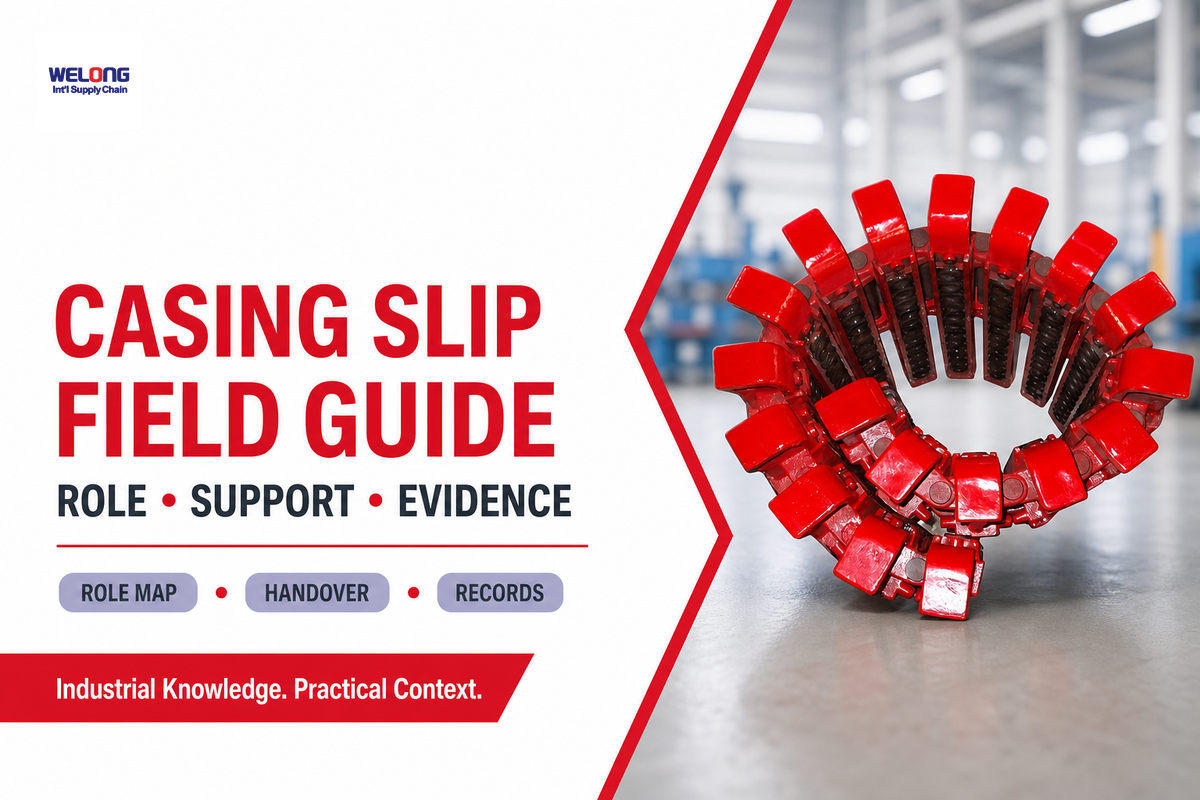
Casing Slip is a wedge-action pipe-support component used to hold a stationary tubular through an approved rig-floor support path. Queries for casing slip operation or casing slip inspection often assume that a general guide can supply task instructions. This article cannot do that: it maps roles and evidence, while approved procedures and configuration-specific records govern the work.
What Is a Casing Slip?
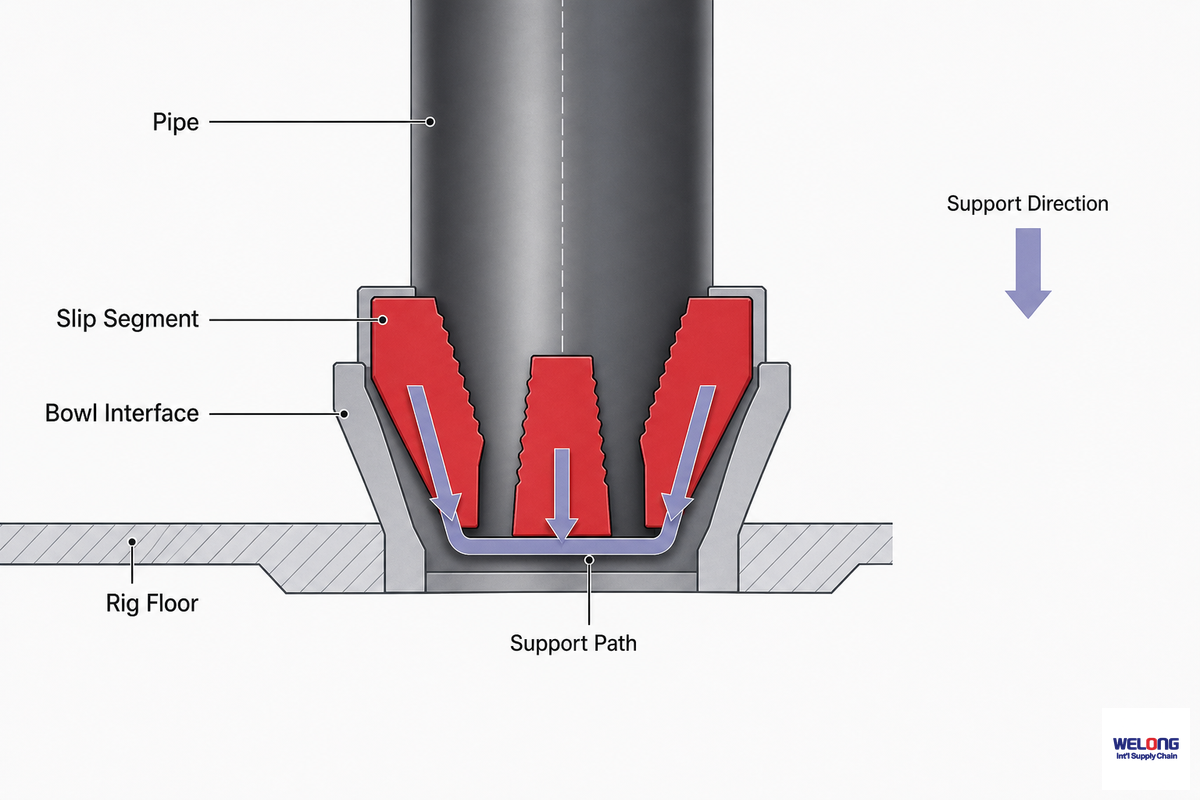
Casing slips are part of a wedge action pipe support system. OSHA’s illustration-style glossary defines slips as wedges with grips to hold pipe, showing slips as wedged against a master bushing in a rotary table to achieve this purpose. This description distinguishes holding from lifting. An elevator moves a pipe. A slip holds it, once the correct support path is engaged.
Treat the word casing carefully because it can invite a shortcut. Slip size, load capacity, arrangement, bowl compatibility, and condition acceptance are configuration-specific. General definitions cannot settle them. API’s public scope for Specification 7K categorizes slips, bowls, and spiders distinctly, which justifies family-level descriptions but not assumptions of uniformity across all casing slips.
In an industrial application, the risk is that a familiar label can be mistaken for approval because an equipment record establishes identity, not the task-specific basis for use.
Once that boundary is understood, the configuration evidence route is the appropriate next resource for a product-side conversation.
Working definition: In this guide, a casing slip is a gripping component in a stationary pipe-support path. Treat the description as a role map, not as proof of product fit, allowable load, or approval for a specific operation.
4-Link Hold Path: How Weight Reaches the Rig Floor
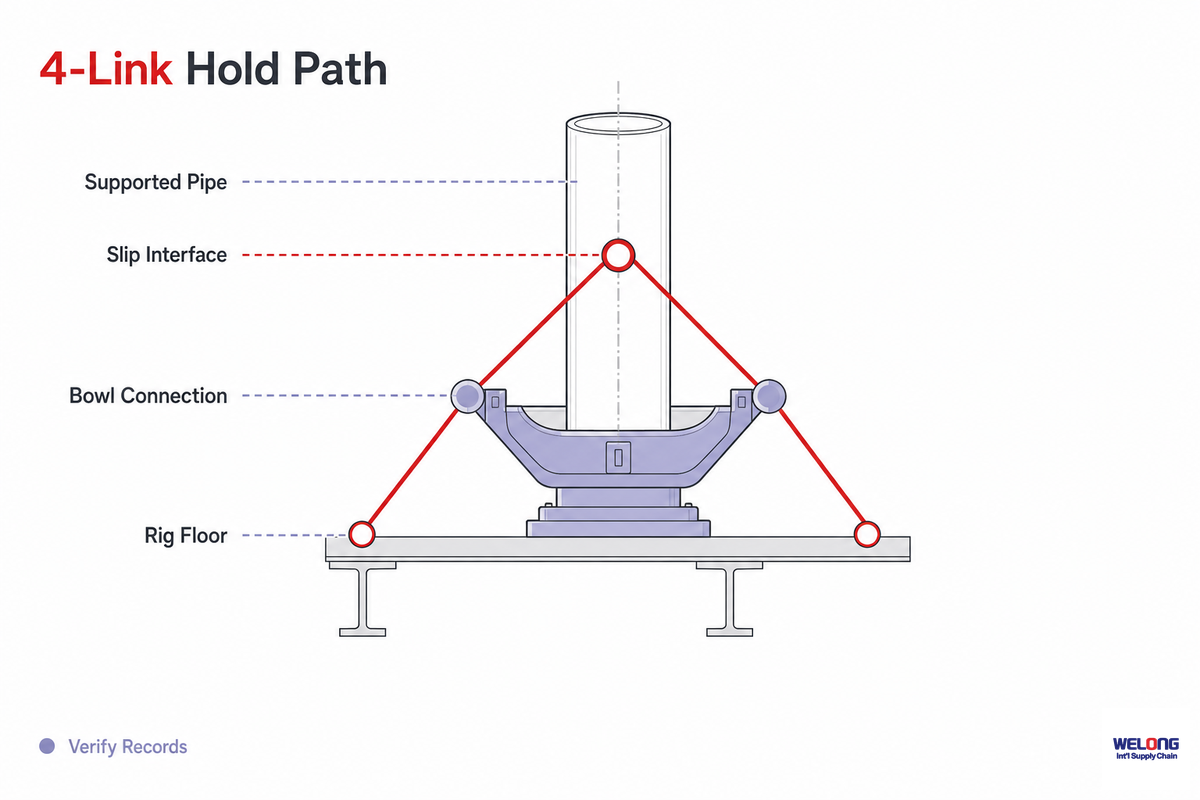
Use the 4-Link Hold Path to explain support without turning a blog post into a calculation. It progresses from the supported pipe to the rig floor connection. Each link demands evidence from the approved procedure and relevant equipment records. Any uncertain link makes the path unsuitable for broad validation.
4-Link Hold Path
| Link | Role in the support path | Evidence question |
|---|---|---|
| 1. Pipe | Casing is the member being supported. | Is the tubular identity and current task confirmed by the responsible procedure? |
| 2. Gripping interface | Gripping elements transfer support into the slip assembly. | Which approved document identifies the applicable gripping arrangement and condition record? |
| 3. Slip body | This component carries the interface between grip and support hardware. | Who owns the inspection, maintenance, or removal decision for this assembly? |
| 4. Bowl or table interface | Bowl, bushing, or table completes the rig-floor support relationship. | What document verifies the intended interface for this operation? |
This model avoids a numerical rating. Absent a product record, condition history, compatible interface, and job specifics, any numerical value may produce false assurance. The model highlights evidence deficiencies before seemingly familiar equipment is assumed to be compliant.
In the field, a support-path gap is a risk because an identified pipe, grip, or interface does not by itself establish a complete, approved relationship.
Pipe-Support Role Map: Hold, House, Lift, or Reduce Manual Handling
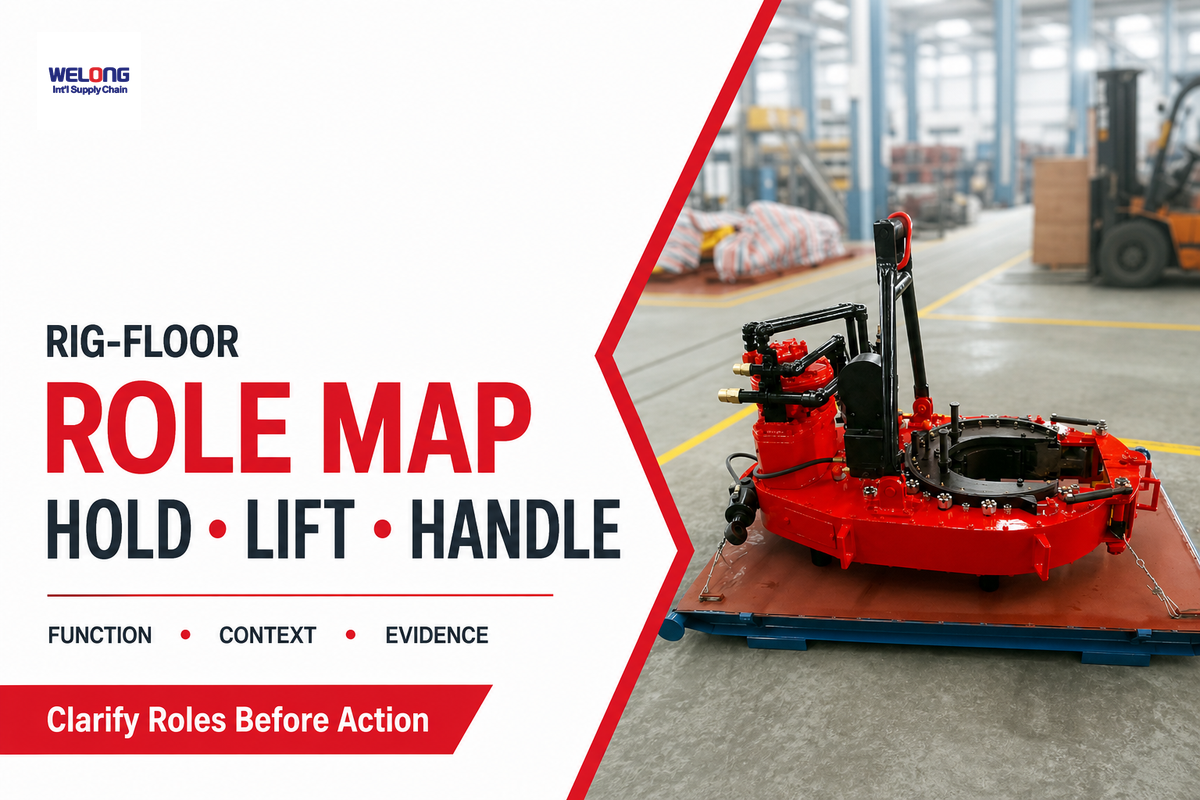
Rig floor terminology can sometimes conflate different functions under the term “slips.” OSHA clearly separates slips from elevators, noting the advantages of powered slips in reducing manual effort. The chart below segregates roles, not necessarily tool combinations.
Pipe-Support Role Map
| Equipment type or record | Primary role | What the role does not establish |
|---|---|---|
| Casing slip | Grips and supports stationary pipe in the relevant support path. | Universal load rating or compatibility. |
| Rotary slip | Wedges around pipe against a supporting interface. | That a generic rotary-slip instruction applies to every casing operation. |
| Slip bowl | Provides a mating wedging interface for the applicable slip system. | That any bowl and slip are an approved pair. |
| Master bushing | Provides the rotary-table interface in the applicable arrangement. | Product-specific fitment evidence. |
| Rotary table | Forms part of the rig-floor support environment. | A substitute for a configuration record. |
| Elevator | Lifts or lowers pipe during handling. | Stationary support by itself. |
| Spider | Is a separate support-equipment category in the API equipment family. | That it is interchangeable with a bowl or slip. |
| Powered slip | Reduces the manual handling associated with operating slips. | Removal of moving-load or verification risk. |
| Approved procedure | Assigns task, equipment, and responsibility for the job. | A reason to ignore product documentation. |
For an industrial buyer, role confusion is a risk because a catalog label can describe equipment without assigning it a job in the approved procedure.
Where the Slip Fits in a Connection: A Support Handover, Not a Procedure
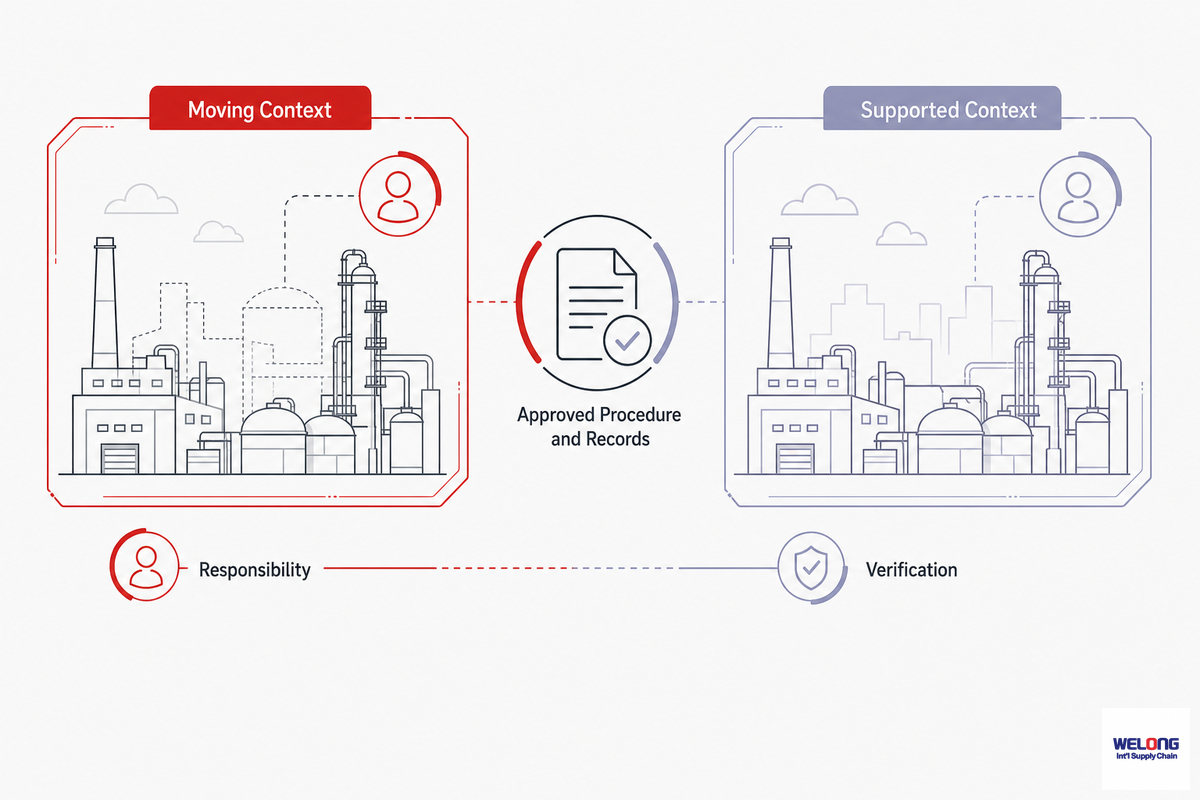
Support handover transitions reliance from a moving or hoisting state to stationary support. This guidance doesn’t prescribe the method. OSHA’s drilling and casing-operation material provides pre-job coordination and moving-load context, not a casing-slip procedure. Execution details remain with the approved procedure.
Before discussing a handover, identify what’s moving, what’s stationary, which procedure guides the next action, and who’s authorized to confirm equipment and interface records. This is sufficient information for guidance, not for detailed work instructions.
In a field application, a handover gap is a risk because movement, control, and responsibility must agree before the equipment record is relied on.
5-Point Hold-Path Check Before a Support Handover
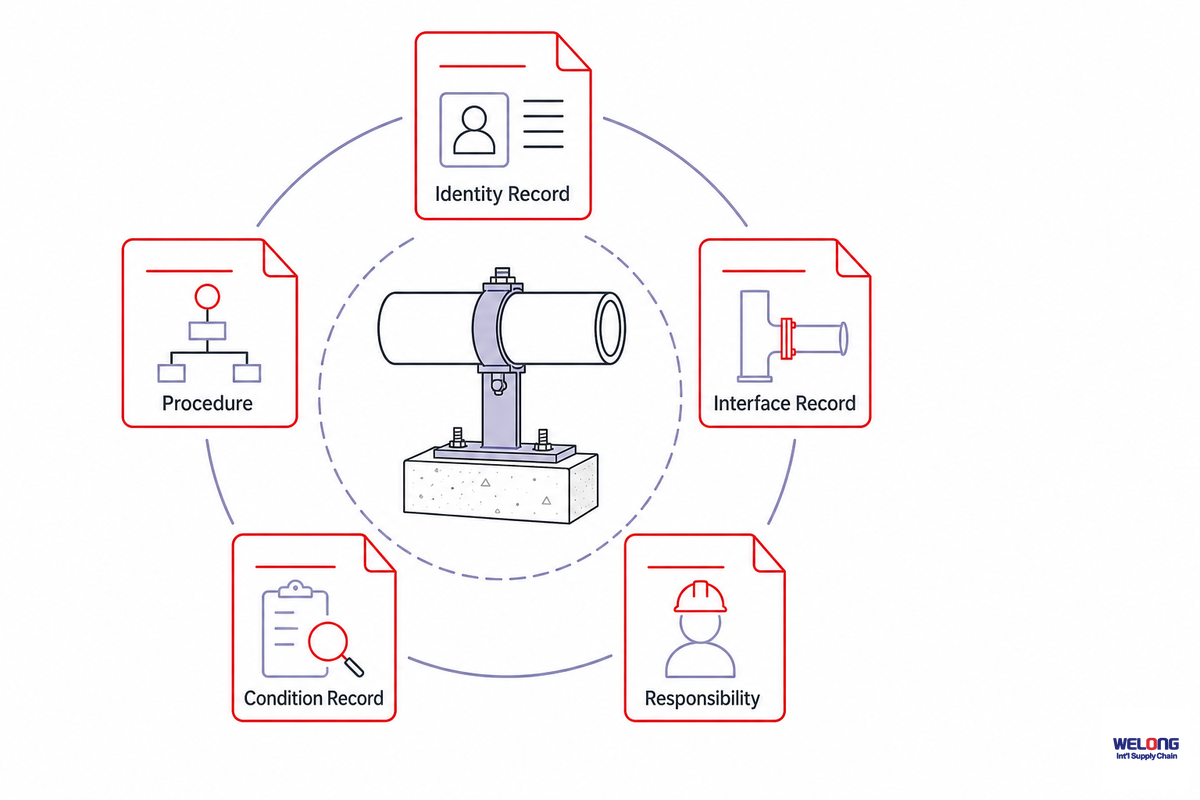
OSHA’s guidelines recommend a pre-job meeting focusing on pipe handling. This 5-Point Hold-Path Check provides a shared record for rig management, quality leads, and procurement staff, rather than dictating inspection frequencies or repair criteria, and it exposes gaps in ownership.
5-Point Hold-Path Check
| Check | Record before reliance | Stop-and-escalate trigger |
|---|---|---|
| 1. Task ownership | Name the procedure owner and the current operation. | No responsible person can identify the governing procedure. |
| 2. Pipe state | Record whether the pipe is stationary and controlled under the approved task plan. | The state is unclear or changes outside the plan. |
| 3. Support path | Identify the pipe, grip, slip body, and interface evidence. | One of the four links cannot be verified. |
| 4. Condition evidence | Locate the applicable inspection or maintenance record. | Condition evidence is missing, outdated, or disputed. |
| 5. Escalation authority | Name the person who can authorize the next decision. | The team is asked to improvise a repair or configuration judgment. |
For an industrial buyer coordinating a supplier conversation, missing ownership is a risk because a record cannot create an inspection limit or repair authority.
NIOSH Rig Check materials use load-path inspection framing. This check differs: it locates evidence ownership rather than acting as a safety standard or a substitute NIOSH form.
3-Question Stop Rule When the Hold Is Uncertain
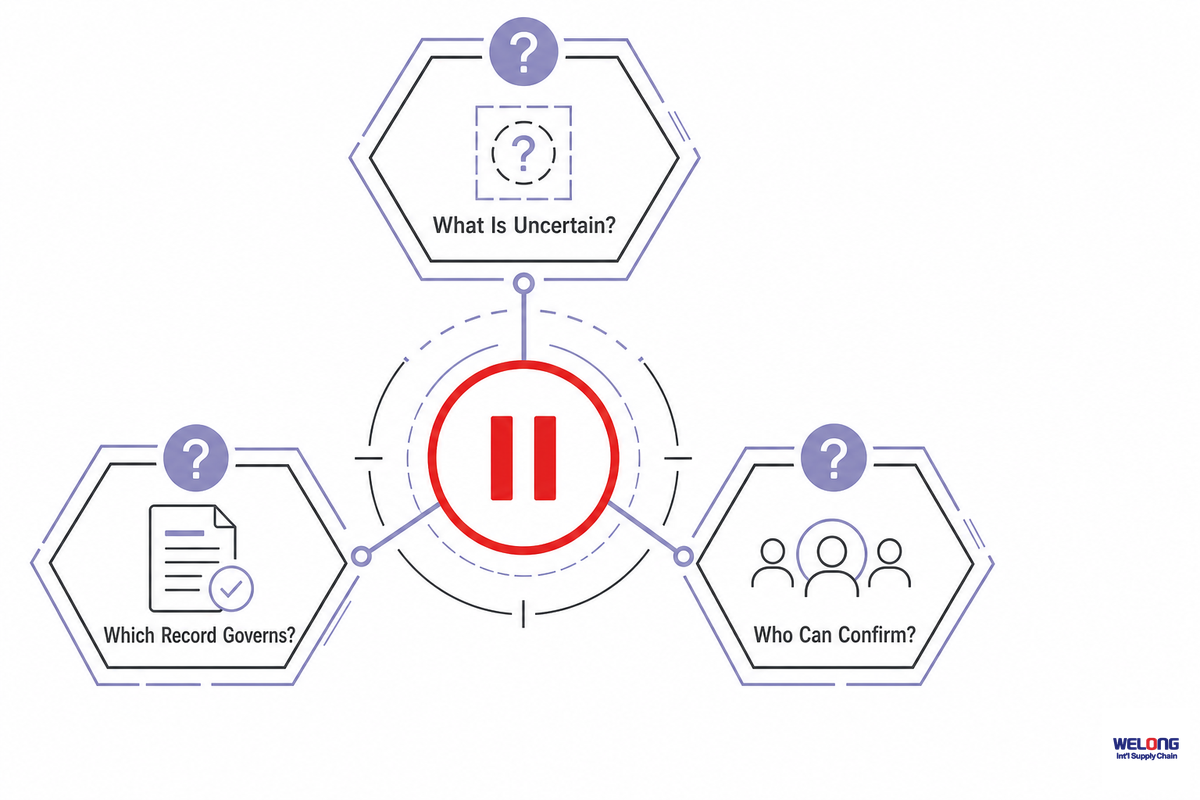
This 3-Question Stop Rule does not diagnose a tool. It gives a reason to pause and escalate when the support path is not demonstrably ready.
3-Question Stop Rule
| Question | If the answer is not clear | Useful next record |
|---|---|---|
| Is the hold path identified from pipe through the rig-floor interface? | Do not infer the missing link from appearance or past practice. | Procedure reference and equipment identification. |
| Is the pipe state controlled under the current task plan? | Do not convert a moving-load situation into a blog-based decision. | Task status and responsible supervisor. |
| Has a qualified owner confirmed the configuration and condition evidence? | Stop the handover discussion and escalate. | Document owner, revision, and decision record. |
Keep this deliberately conservative to avoid the familiar-but-unsupported pattern of using a memory, an online photo, or a generic maintenance message to fill the gap where an appropriate document should be. Get the relevant evidence instead of inflating this article into a general authorization.
In the field, an uncertain hold is a risk because a remembered value cannot replace an approved procedure or current condition record.
Manual and Powered Handling: What Changes, and What Does Not
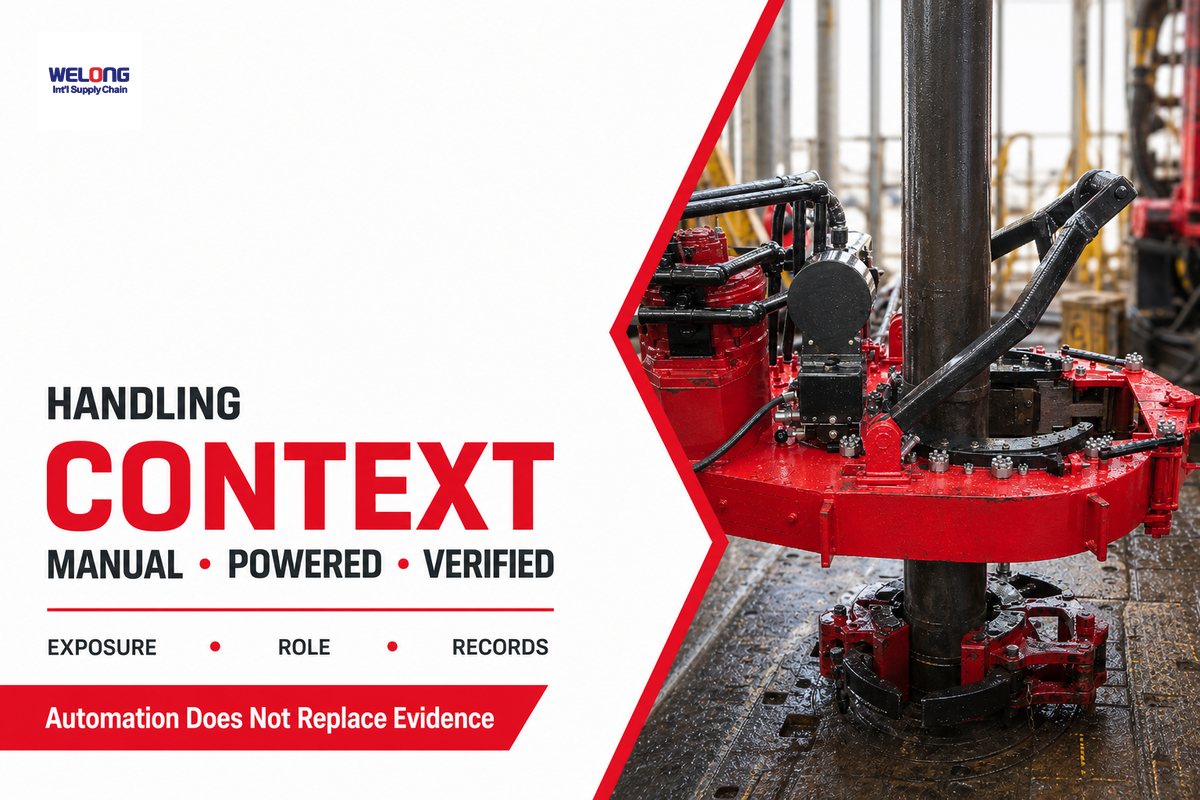
OSHA describes power slips as pneumatically or hydraulically actuated devices that reduce manual handling during a connection. That may change one exposure, but it does not remove the need for a verified support path, controlled pipe state, procedure, and equipment record.
CDC and NIOSH describe automated pipe handling in the broader context of historical drilling-safety changes. Automation can alter work exposure, but it does not turn a web page into a current configuration record.
CDC surveillance for 2014-2019 recorded 102 contact-injury fatalities, representing 21.7% of the fatalities in its oil and gas extraction database. It is not a casing-slip failure rate. It is included only to show why tubular-handling assumptions deserve a documented role and evidence check.
| Question | Manual handling context | Powered handling context |
|---|---|---|
| What may change? | Direct handling of slips is part of the task. | Actuation can reduce direct manual handling. |
| What still needs verification? | Support path, procedure, interface, and condition evidence. | Support path, procedure, interface, and condition evidence. |
| What cannot this guide approve? | Technique, configuration, repair, or rating. | Technique, configuration, repair, or rating. |
What Is Changing on the Rig Floor?
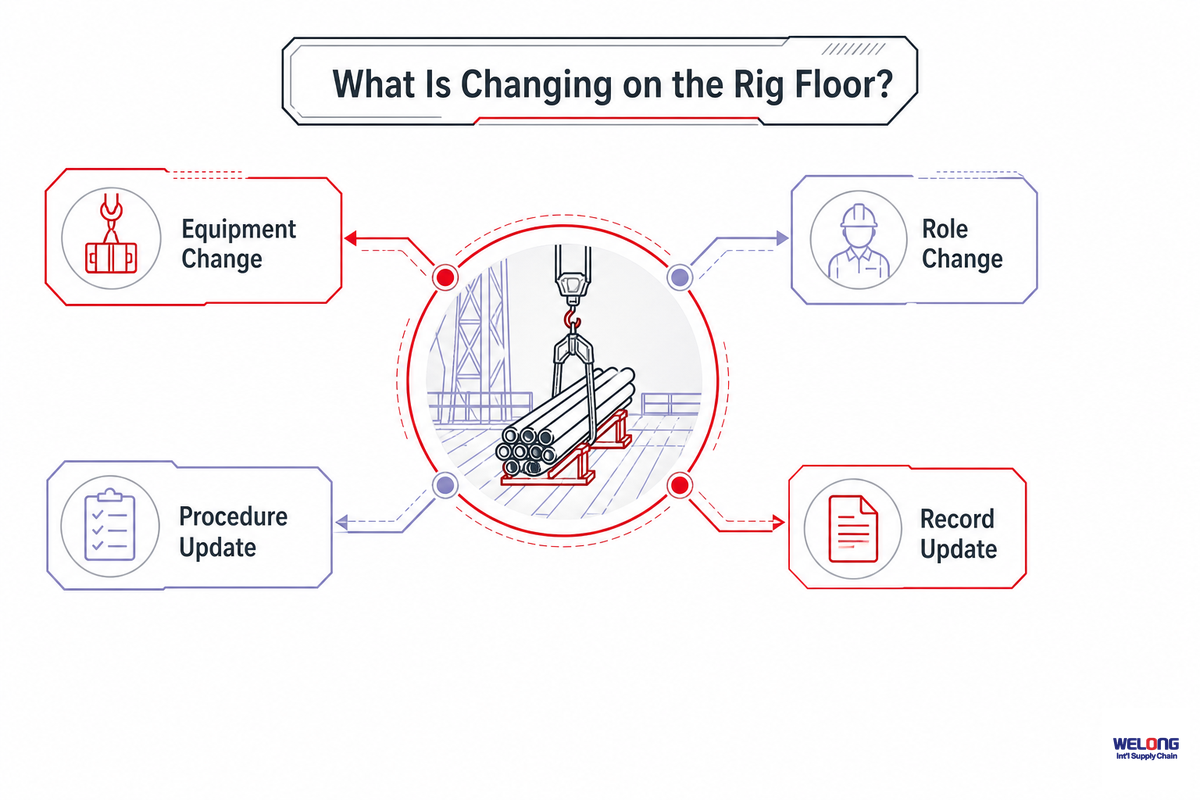
The rig floor is moving toward engineered pipe handling and less routine manual exposure. That is a work-system trend, not a performance claim for a particular casing slip. Reducing manual handling and verifying a support path remain different decisions. Evidence responsibilities still remain with the job team.
For an industrial buyer reviewing an automated-handling application, the risk is treating reduced manual exposure as a substitute for evidence because it is not approval of the support path.
Changes to equipment, interface, procedure, or roles must be reflected in the handover record to keep business discussions precise and avoid requiring a blog reader to engineer something on the spot.
When the Guide Ends and Configuration Evidence Begins
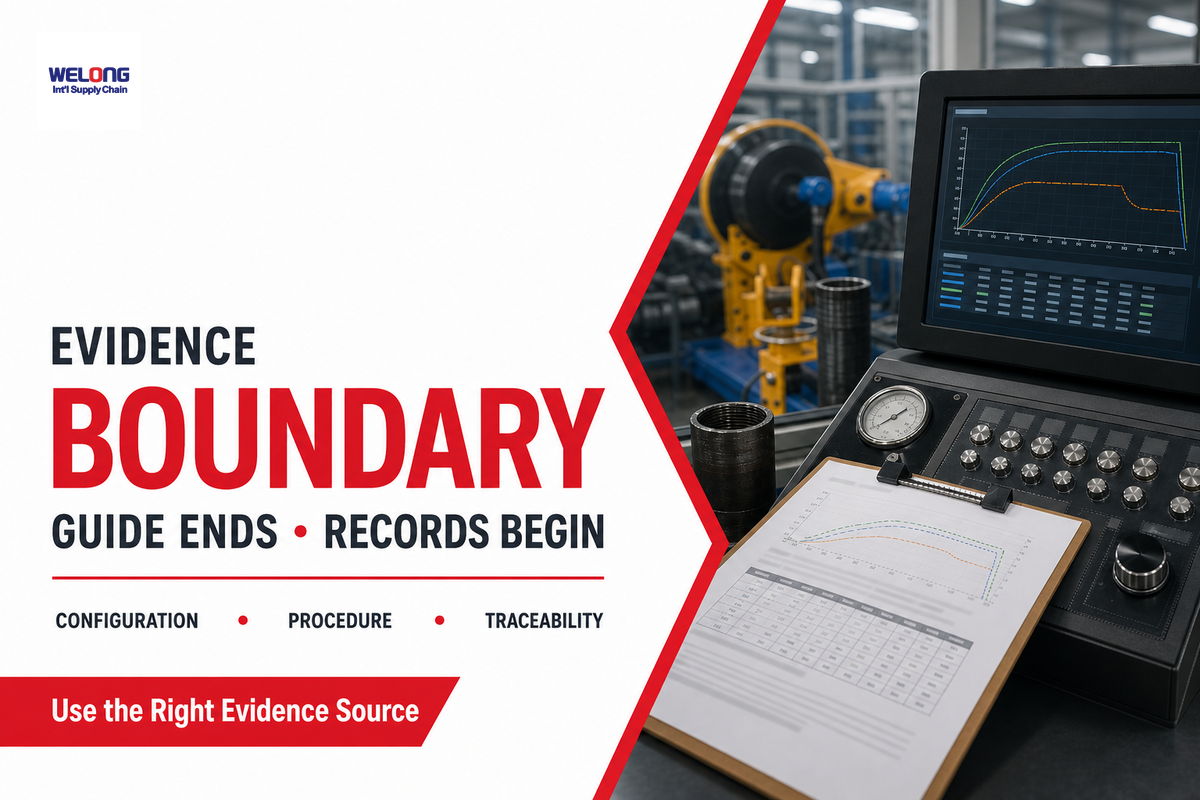
Public sources explain role boundaries and broad hazard context, not the product facts required for a specific casing operation. API also separates equipment inspection, maintenance, repair, and remanufacture as a record-controlled domain. Guides should direct the reader to that evidence, not publish a universal threshold.
Configuration records may use descriptors such as the tubular type, including casing or drill pipe, taper language, multi-segment design, and insert arrangement. The relevant insert condition record is another item to locate. These terms identify what must be checked in the approved record; they do not create an instruction to select or use a particular product. Any taper noted in a record must be verified against the responsible procedure and the actual equipment documentation.
For an industrial buyer, that boundary matters because a configuration record can establish identity but cannot authorize a particular operation.
Configuration Evidence Hidden Bottleneck Map
| Question a reader may have | Why this guide cannot settle it | Evidence needed next |
|---|---|---|
| What load can this casing slip hold? | Capacity is not universal across designs, condition, and application. | Applicable product record and approved engineering basis. |
| Will this slip fit this bowl or bushing? | Interface identity cannot be verified from a general description. | Configuration-specific compatibility evidence. |
| Is the tool condition acceptable? | A blog cannot set a maintenance limit or authorize repair. | Applicable inspection record and procedure owner. |
| Does it meet a required standard? | A standard’s scope is not product-level proof. | Current product documentation and traceable compliance evidence. |
| Who should make the next call? | Authority depends on the approved task and site controls. | Named supervisor or qualified procedure owner. |
For configuration-specific evidence, use the configuration page for a verified bowl and casing combination. It’s the appropriate place to continue a product discussion after the role and evidence questions in this guide are clear.
Frequently Asked Questions
For an industrial buyer or field contact, the recurring risk is treating a general answer as authorization because the actual configuration and procedure are not part of an online guide.
What are slips on a drilling rig?
Slips are wedge-action gripping devices that hold a stationary string of pipe within a rig-floor support system. They take a support role after movement has stopped, rather than raising or lowering the string. That separates them from elevators, which have a movement role. The exact interface, rated load, condition acceptance, and sequence are equipment- and procedure-specific, so they must be confirmed from approved documentation instead of inferred from a general definition.
Is a casing slip the same as an elevator?
No. Elevators move pipe; casing slips support a stationary string. A shared rig-floor setting does not make their roles or evidence requirements interchangeable.
What is a slip bowl?
A slip bowl is a mating support interface in which the relevant slip system wedges as it takes support. API Specification 7K lists slip bowls and rotary slips as distinct equipment categories. A guide can describe that relationship, but it cannot establish that any particular bowl, bushing, tubular, and slip combination is compatible, fit for condition, or approved for use.
Does a powered slip remove all rig-floor risk?
No. OSHA describes powered slips as devices that can reduce manual handling during a connection. That may change one source of exposure, but it does not remove the need to identify the support path, follow the approved procedure, manage moving-load hazards, and escalate uncertainty. Automation changes tasks; it does not replace the evidence needed to accept a hold.
Can a general guide provide a casing-slip load rating?
No. A rating belongs to a specific equipment design, condition, interface, record set, and application. Public API material can establish an equipment-family scope, but it does not create one universal rating for every casing slip. For a live project, obtain current configuration-specific evidence from the responsible product and engineering records. An educational article can help a buyer frame the question; it cannot serve as an acceptance record.
Sources
- OSHA Oil and Gas Well Drilling and Servicing Illustrated Glossary
- OSHA Oil and Gas Well Drilling and Servicing eTool: Drilling Ahead
- OSHA Oil and Gas Well Drilling and Servicing eTool: Casing Operations
- NIOSH Rig Check Program materials
- CDC/NIOSH occupational safety context for oil and gas extraction
- CDC oil and gas extraction fatality surveillance, 2014-2019
- API Specification 7K public scope document
- API standards addenda and errata index
Why Buyers Work With Welong
About Welong Engineering Support
China Welong supports oilfield buyers with engineered supply-chain service for drilling tools, well-control equipment, rig-floor tools, casting parts, and industrial forged components.
Project Review Before RFQ
We help buyers compare tool family, material route, API or ISO requirements, inspection records, supplier capability, delivery risk, and documentation needs before a purchase decision is finalized.
Request An Oilfield QuoteCompany Profile // Data Sheet
CompanyChina Welong International Supply Chain
BrandWelong
CountryChina
Business TypeOilfield tools and industrial supply-chain partner
Main ProductsDownhole drilling tools, fishing and milling tools, wellhead and well-control equipment, oilfield hoses, rig-floor handling tools, mill rolls, and forgings
Engineering CapabilityTool-family selection, specification envelope review, API / ISO reference support, material traceability, inspection coordination, and supplier-route comparison
RFQ Data NeededTool type, size, connection, rating, grade, standard, quantity, drawings, and delivery target
Websitewelongoiltools.com
![Choke & Kill Hose: [Field Guide]](https://welongoiltools.com/wp-content/uploads/2026/07/choke-kill-hose-guide-featured-1-150x150.png)