Get in touch with Welong Company
Specifications & Capabilities
Drill Pipe Screen | Slotted & Perforated MWD Protection Screens
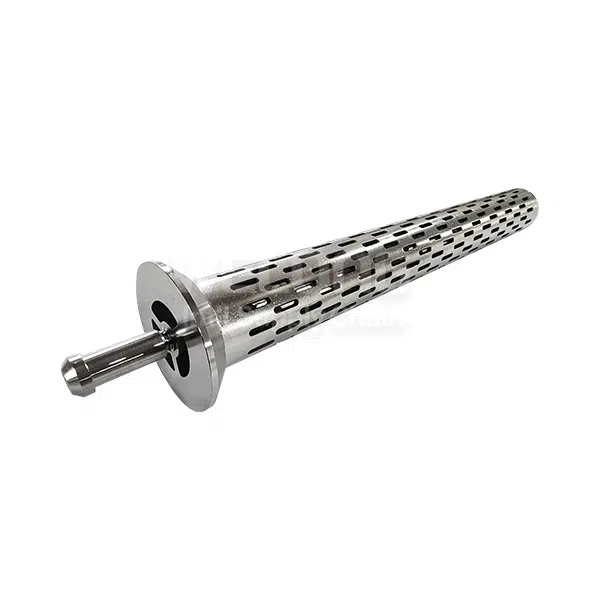
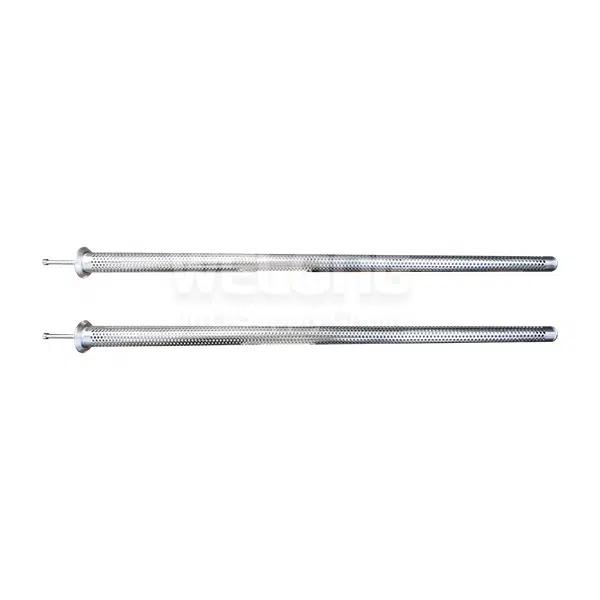
Drill pipe screens protect your MWD tools from surface solids before they make it downhole, acting as the last barrier between an expensive directional-drilling toolstring and a mile of thick, turbulent wellbore. Welong supplies slotted, perforated, and rod-style screens; the responsible designer and manufacturer are identified in the quotation for your flow rate and solids load.
Click to Swap
- 304 / 316 Stainless Steel Grades
- 3 Screen Types
- 33% Standard Open Area
- Order Records QMS-Aligned Manufacturing
- Retrievable or Non-Retrievable
- FOB / CIF / DDP Flexible Trade Terms
When Mud Contamination Threatens Your MWD Tools
“The first visible symptom is not always the root cause, and the fastest fix is not always the right one. Crews often chase the MWD tool itself when the real failure started upstream, at the screen, or the lack of one.”Senior Application Engineer, Welong Fishing & Milling Tools Division
01. Component Introduction
Drill pipe screens are an essential element in any directional drilling application. Sitting in the toolstring just above the MWD assembly, they mechanically filter large particles from the mud that slip through surface solids control.
Surface equipment such as shakers, centrifuges, desanders, and ditch magnets can reduce solids before drilling fluid returns to the wellbore.
A drill pipe screen acts as the ultimate downhole filter for these particles, closing the gap in surface protection without adding inches of pipe between you and the drill bit.
02. Failure Consequences
If this protective layer is absent, the results might not be obvious on the rig floor. A user on r/oilandgasworkers pointed out that, no matter the company or people, once your tools are a mile deep, MWD will fail in the turbulent, muddy environment it was never designed for. These particles-which bypassed your surface controls-don’t manifest until your pulse telemetry is erratic, your sensors get stuck or your tools need to be pulled for inspection.
CRITICAL IMPACT:
By the time you see the issue on surface, the damage has already been done downhole.
A well-specified screen-designed to accommodate your flow rate, solids load and connection size-provides continuous protection without inhibiting circulation. A poorly matched screen will either deprive the tool of necessary protection (if the screen bypasses or blows out) or restrict flow (if it blinds or causes foaming). Both failure modes ultimately cost you the same amount: a tripped string, a stalled run and a wait for parts on the rig. In the following sections, we’ll examine how each of Welong’s three screen families solves one side of that equation.
Welong drill pipe screen line, choosing the right type
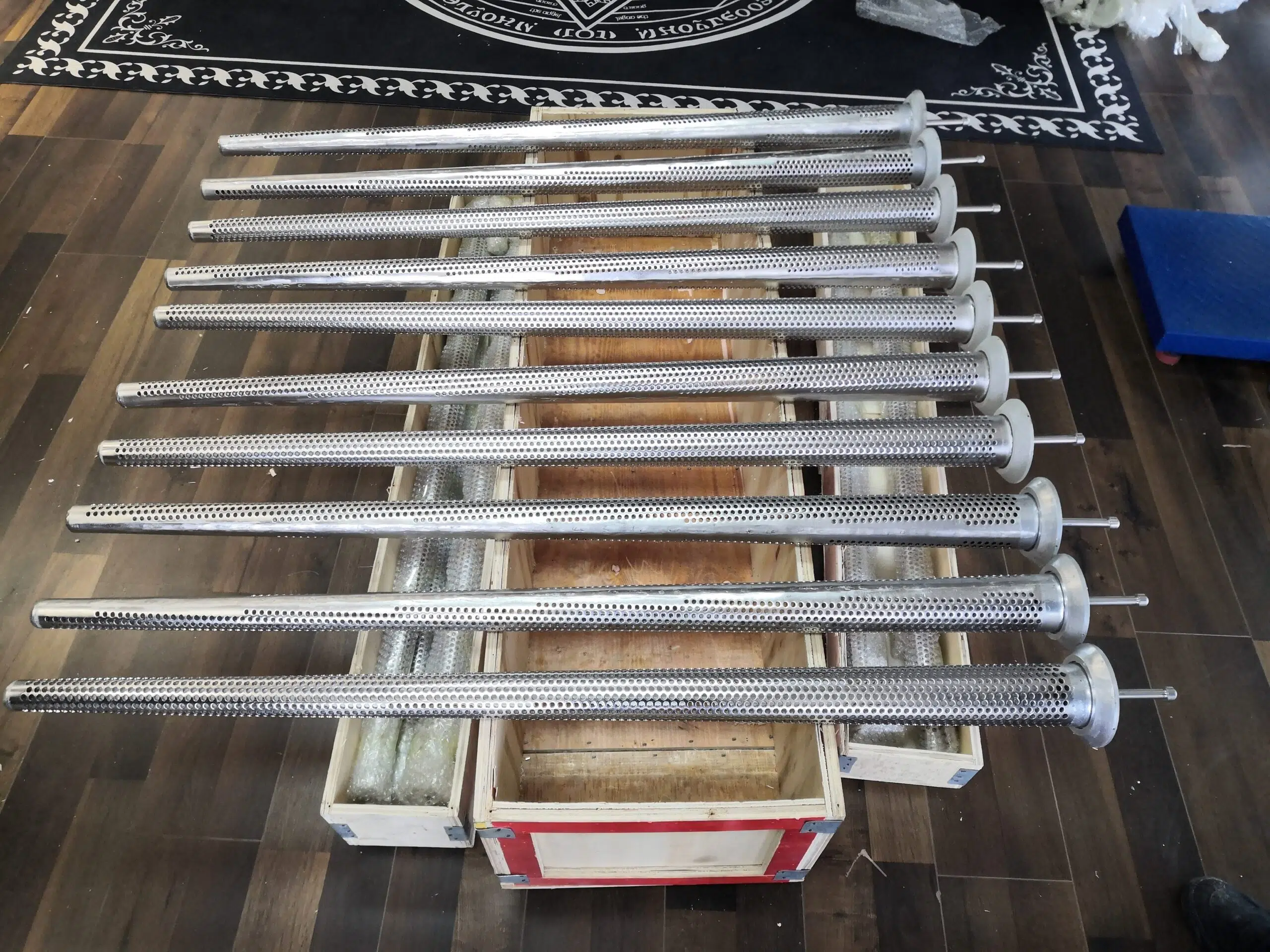
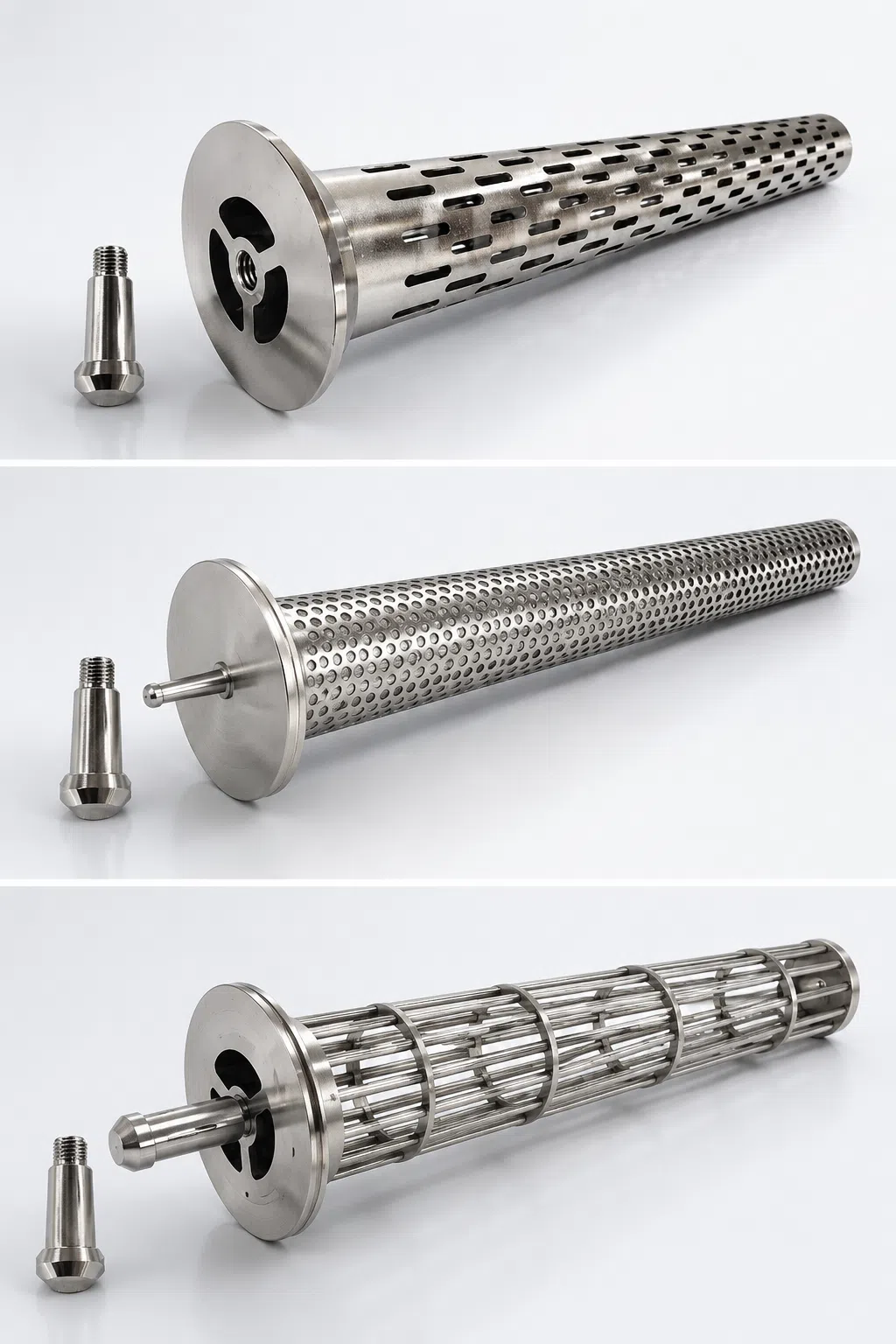
Welong supplies three types of drill pipe screens and manages their production, across a range of drill pipe screen sizes, in 304 and 316 stainless steel, each configured for specific flow and solids requirements, so you get filtration strength without restricting flow. Every screen is supplied with interchangeable outer-ring flanges compatible with your connection, with 2-7/8” IF, 4-1/2” IF and 4-1/2” XH being the most common sizes, with additional options available on request.
DESIGN LOGIC & PROTECTION
Unless you specifically order a non-retrievable build, all Welong drill pipe screens come standard-overshot retrievable and include an internal wear-distribution sleeve that ensures wear is applied to the screen body, rather than your outer ring, throughout the run, the same downhole-tool protection logic MWD assemblies depend on to keep transmitting clean telemetry.
304 / 316
STAINLESS STEEL
2-7/8″ IF TO 4-1/2″ XH
FLANGE SPECS
THREE DISTINCT CONFIGURATIONS
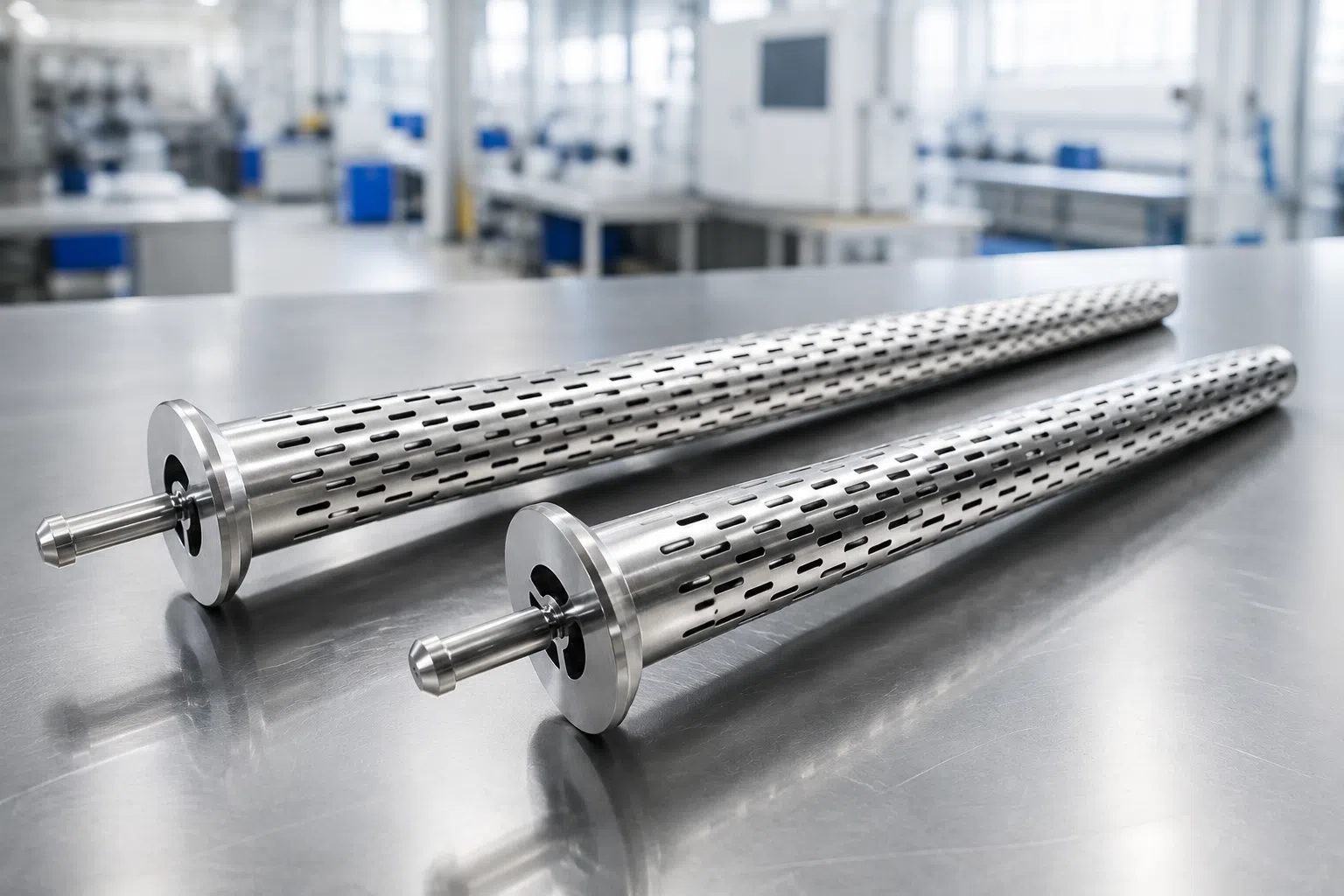
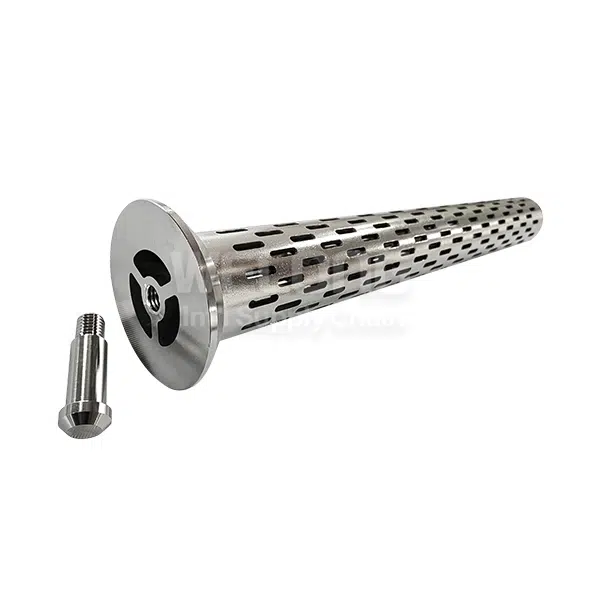
Slotted tube screens
- Machined slots in a solid stainless tube
- Higher structural strength for heavy solids
- Fishing neck or open-top style
- Retrievable with standard overshot
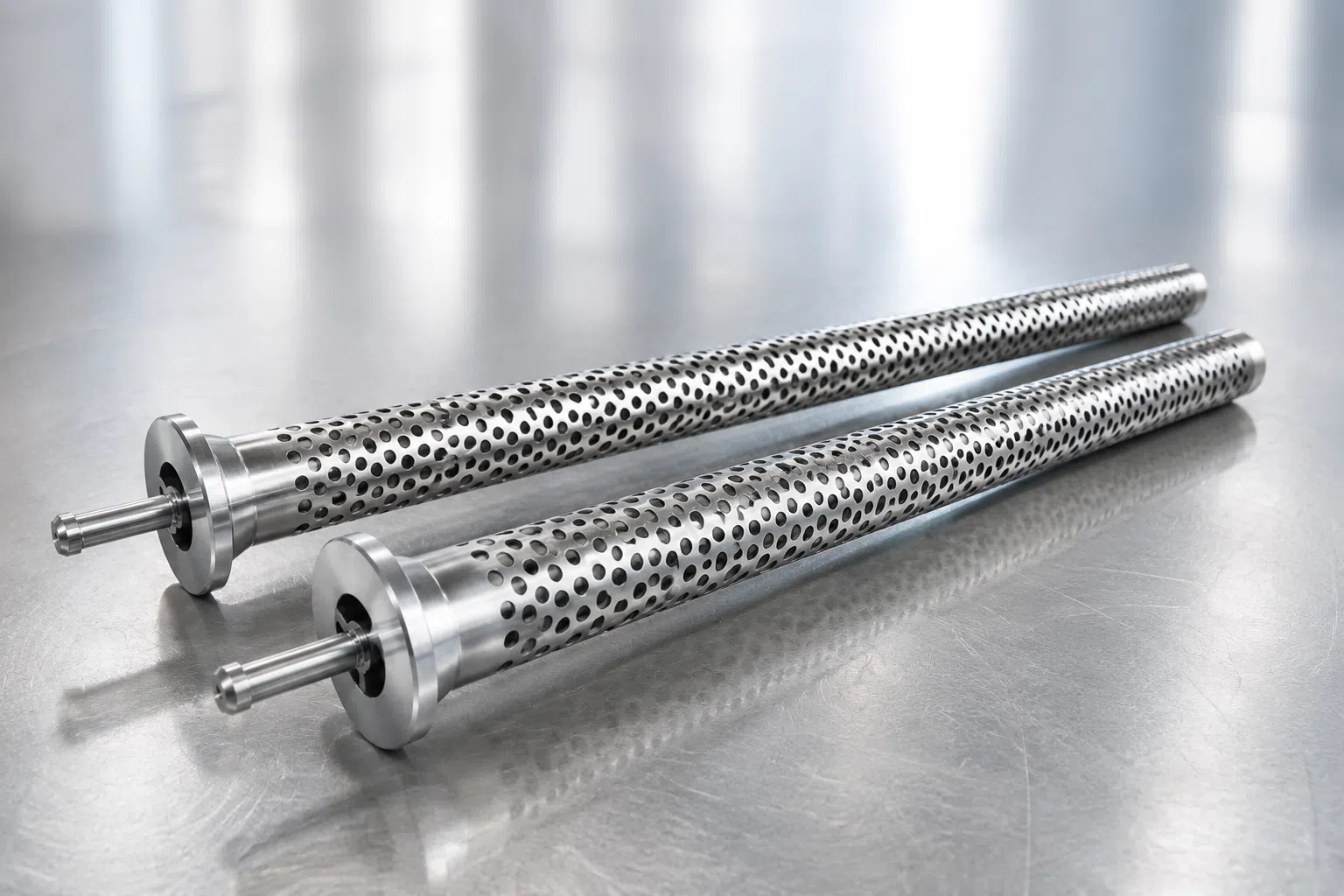
Perforated screens
- Circular perforation pattern, staggered
- Retrievable or non-retrievable builds
- 33% standard open area (Welong config)
- Internal wear-distribution sleeve
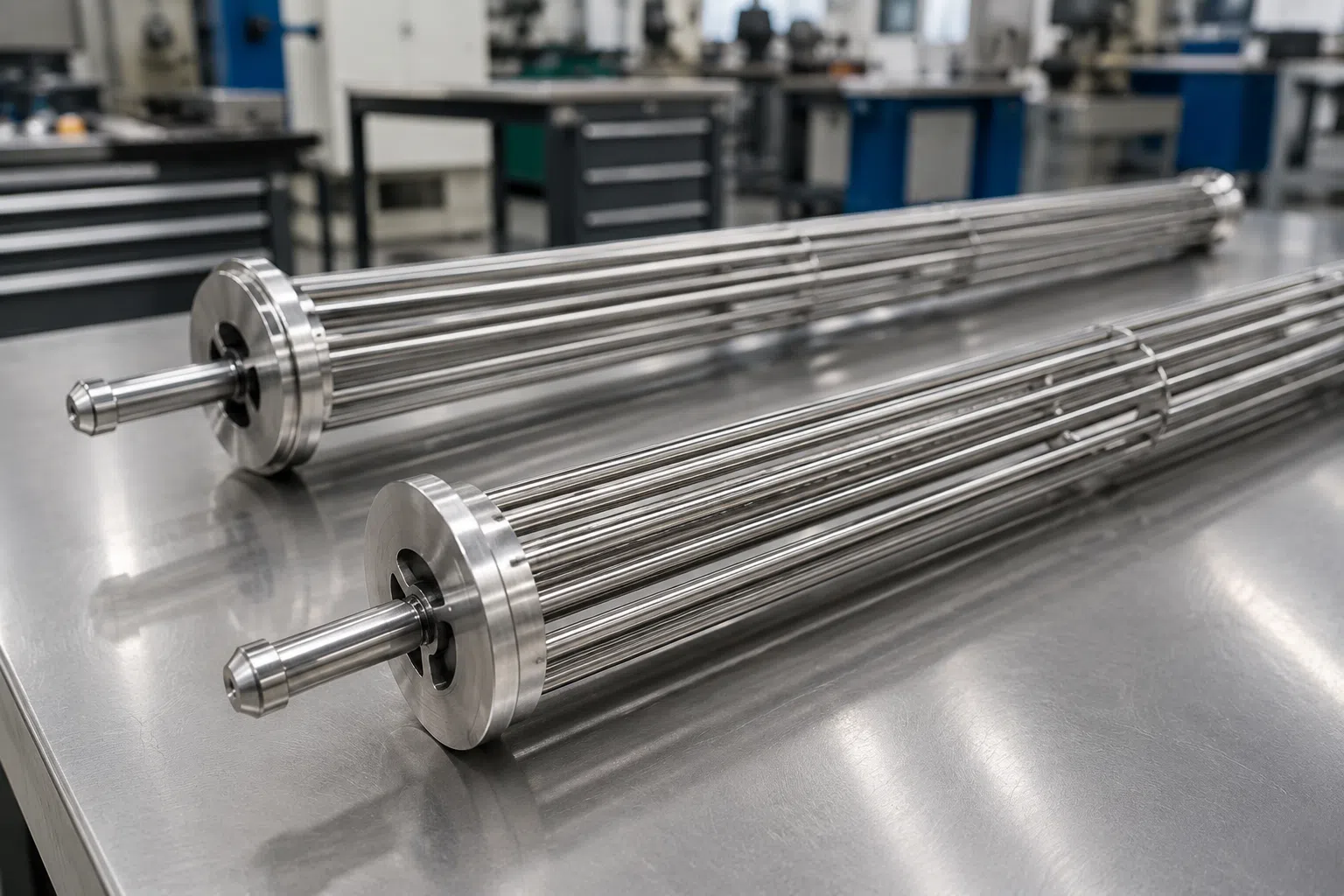
Rod-style screens
- 17-4 stainless steel bar, heat-treated H900
- Built for extreme high mud flow / solids
- 16 or 20-bar variants by flow requirement
- Full-length safety retaining rod
Slotted vs Perforated vs Rod-Style, Selection Decision Table
33%
Nominal Open Area
Market Context
None of the three manufacturers bidding for this SERP — Hunting PLC, RoNal Equipment, or Industrial Screen & Maintenance — are producing a side-by-side comparison table for their screens.
This leaves the buyer to do their own comparison, either by hunting through various spec sheets or making a phone call to sales. Welong’s table, below, at least consolidates those variables that most affect choice: flow rate, open area and the common applications for each option.
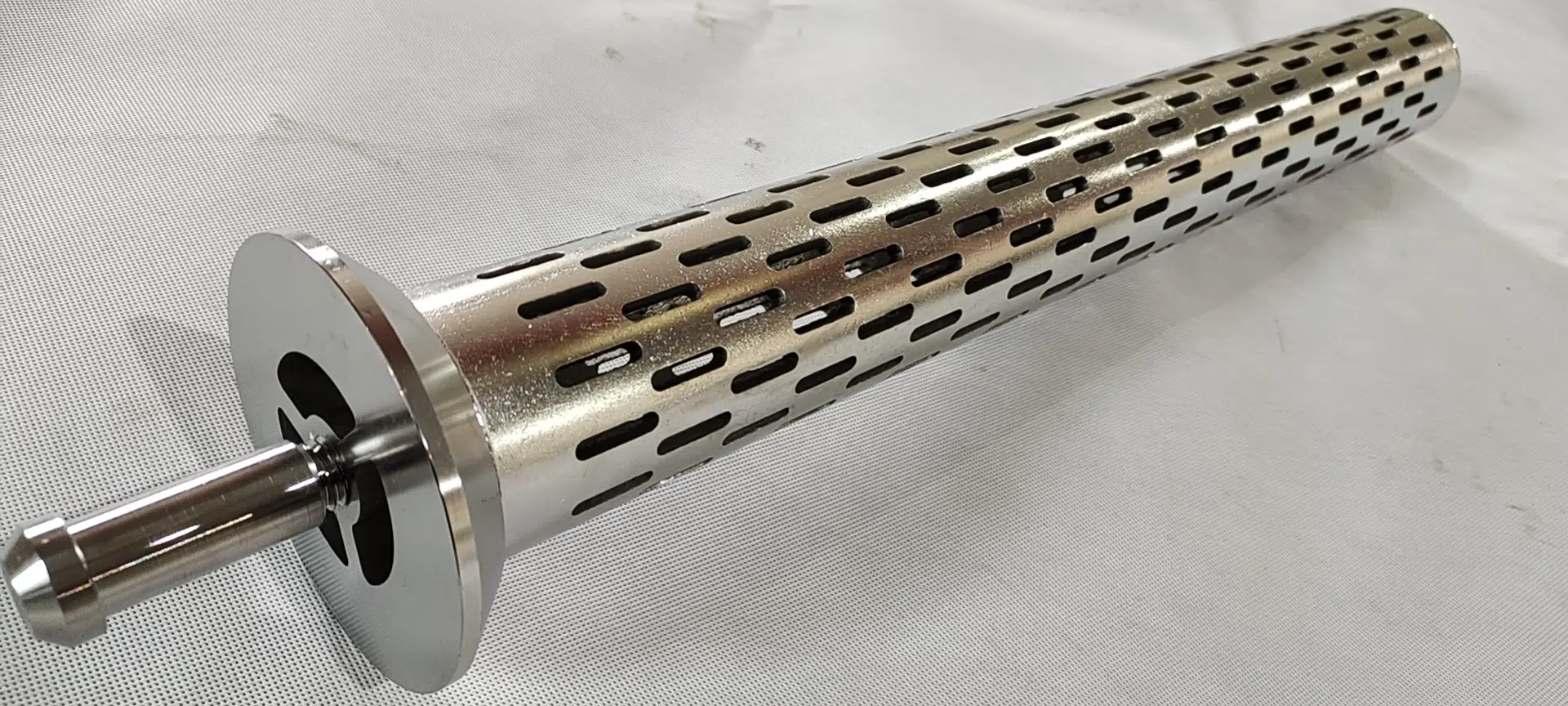
To choose the best drill pipe screen for your well is a compromise, not an either/or decision. Increasing open area moves more fluid, but stresses the integrity of the screen; decreasing it can protect the screen from the damaging stresses but may invite premature blinding.
Other competitors provide useful references on the scaling range: Filson Filters lists its high-and low-flow models in a range of approximately 325-800 GPM, and Keystone Energy Tools provides 300 GPM as a nominal handling capacity. These ranges are only approximations for standard equipment – actual flow rate and effective open area will be dependent upon your mud characteristics and hole geometry – and Welong engineers will always work with your flow data prior to quoting. The Welong perforated, which we most often supply, has an open area of 33%; this figure reflects a product’s manufactured open area, not a universal industry constant.
Engineering Note, Screen Blinding
“Screen blinding” is a build-up of fine particles that can restrict a drill pipe screen. Match the selected screen’s open area to the actual solids loading and flow conditions, then confirm the configuration for the well program.
| Screen Type | Flow Range Reference | Open Area / Config | Best-Fit Application |
|---|---|---|---|
| Slotted Tube (Slotted Screens) | Low–mid flow | Machined slot width, structural body | Heavy solids, need max screen strength |
| Perforated (7-gauge) | Lower flow rates | 5/16″ perforations, staggered pattern | Low-flow drilling, mild LCM content |
| Perforated (11-gauge) | Low–mid flow | 3/16″ perforations, staggered pattern | Standard directional drilling, moderate solids |
| Rod-Style / Bird Cage | Highest flow rates | 17-4 SS H900, 16 or 20-bar | Extremely high mud flow and/or heavy solids |
Drill Pipe Screen Procurement Review
[ CAPABILITY & VETTING ]
Want the inspection process in writing before you commit? — Check Which Screen Type Fits My Application →
For the selected drill pipe screen, request the product configuration, material documentation, and agreed inspection scope before purchase.
For a selected drill-pipe-screen order, confirm the dimensional inspection scope and batch records in the quotation. Third-party inspection by SGS, DNV, or another qualified provider can be arranged when requested.
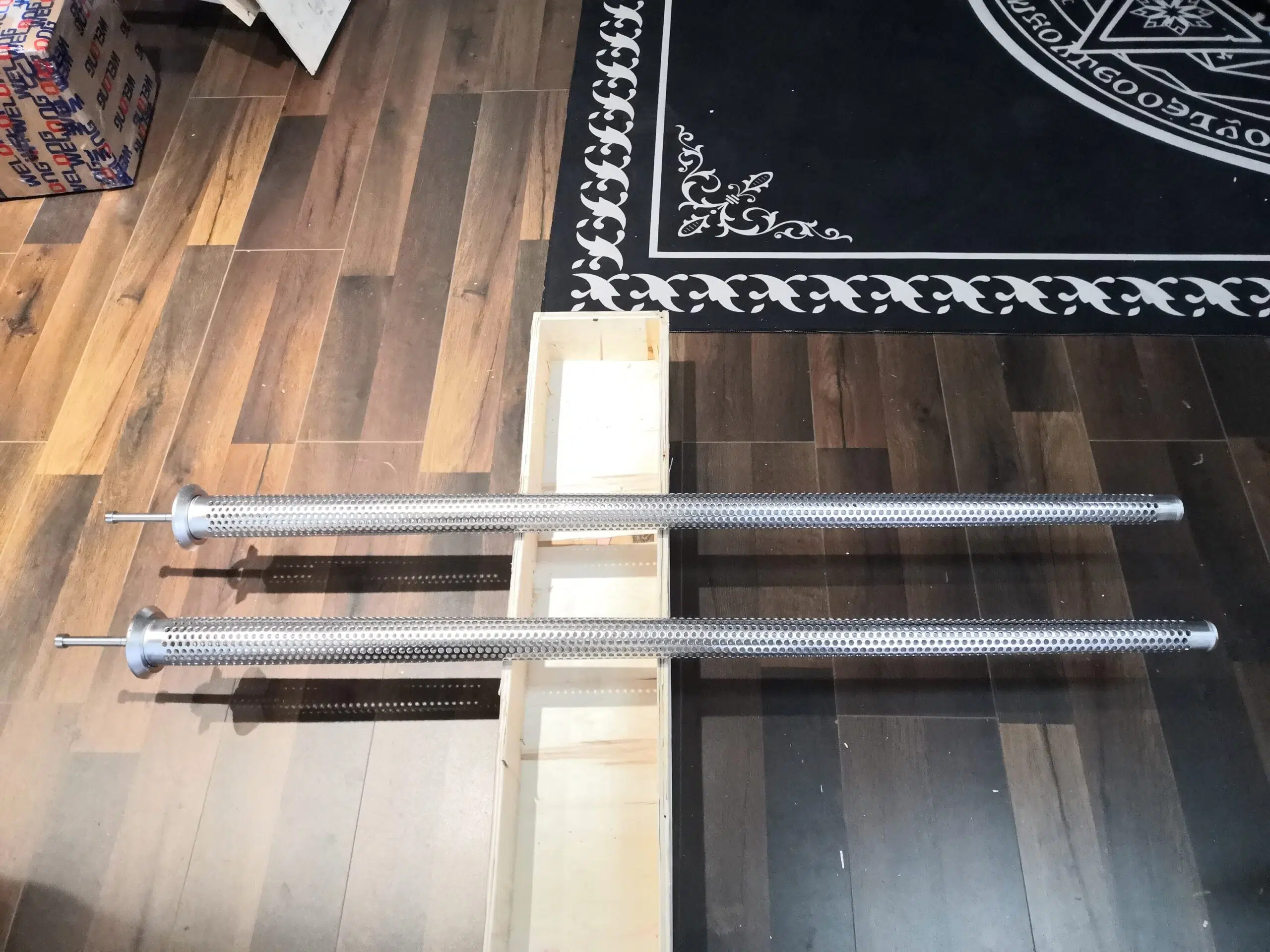
Qualification & Traceability
Order Documentation & Quality Control
For the selected drill pipe screen, request material documentation, inspection scope, and traceability records for the specified configuration before purchase.
Material note for sour (H2S) service
Welong’s standard 304/316 stainless and 17-4PH H900 configurations are built for conventional (sweet) drilling environments. Sour-service wells – where H2S partial pressure crosses the thresholds defined in NACE MR0175 / ISO 15156 – require materials formally qualified against that standard for your specific pressure and temperature conditions, not a blanket substitution. If your program involves H2S exposure, tell our engineering team your well conditions before you order – we’ll confirm compatible material options rather than let you assume standard stock is rated for it.
ORDER-SPECIFIC EVIDENCE
Request product information
API Spec Q1
QMS-Aligned Manufacturing
SGS Inspection
Third-party available
DNV Inspection
Third-party available
In-Process QC
Every production run
Final Inspection
Pre-shipment
Ordering Guide, Custom Sizing, Lead Time & MOQ
None of the three manufacturers ranking for this keyword publish procurement details beyond “contact us” – drill pipe screen price, lead time, and minimum order quantity stay opaque until you’re already in a sales conversation. Here’s the honest version: Welong’s first step is the same (a quotation, not a published price list, which is standard for customized oilfield tooling), but the factors that drive your drill pipe screen price are transparent up front instead of a compromise you discover mid-negotiation.
01
Screen type & length
Slotted / perforated / rod-style; standard lengths 12″–36″+ available
02
Material grade
304 vs 316 stainless; 17-4 H900 for inner rings
03
Connection & outer ring
API or specialty flange sizing (2-7/8″ IF, 4-1/2″ IF, 4-1/2″ XH, others on request)
04
Retrievable vs non-retrievable
Fishing neck design and extractor tool compatibility
05
Inspection tier
Standard in-process QC vs. added SGS/DNV third-party inspection
06
Trade terms
FOB, CIF, DDP, or DDU — you choose the logistics split, handled under the same API Spec Q1 distribution and logistics discipline that governs manufacturing
Welong process observation
Provide flow data with the RFQ so the selected screen configuration can be reviewed.
3-in-1 Synergy
Screen type, material grade, and trade terms are confirmed in a single quotation cycle — no separate RFQs for engineering vs. commercial terms.
Engineering & Evaluation Tools
Screen Type Selector
Evaluate flow rates and solids loading to determine the optimal screen configuration for your drill string.
Sour Service Material Check
Cross-reference well H2S conditions with NACE MR0175 standards for structural material compliance.
Connection Size Finder
Match your exact drill pipe connections and BHA requirements to the appropriate screen flange size.
A drill pipe screen is a filtration component installed in the directional-drilling toolstring, positioned directly above MWD (measurement-while-drilling) tools. It filters solids out of the drilling fluid before they reach sensitive downhole electronics, functioning as a mechanical last-line defense that surface solids-control equipment (shakers, centrifuges, desanders) can’t fully replace.
slotted tube screens are machined from a solid stainless body for maximum structural strength. perforated screens use a staggered circular-hole pattern and come in 7-gauge (lower flow) and 11-gauge (low-to-mid flow) variants. Rod-style (“bird cage”) screens use 17-4 stainless bar in 16 or 20-bar setups for the highest flow and heaviest solids loading. See the selection table above for flow-range guidance.
Screen blinding — A sluggish clog, that develops because of a faster buildup of fines and gas-cut mud than your available open area can handle — normally means that the screen’s open area isn’t appropriate for your actual solids loading, but your not your nominal flow rate. The usual remedy is to go to a higher open-area configuration, or to change over from perforated to rod style on heavy solids jobs.
For a retrievable configuration, confirm the selected screen’s fishing-neck interface and retrieval procedure before use.
304 stainless is our standard material grade for most directional ZADi-fining. 316 offers improved corrosion resistance in more aggressive fluid chemistries. Both aren’t qualified out-of-the-box for sour service – refer to the material note in the Certification section above and discuss your well conditions with our engineering department before ordering.
The quotation identifies the material certificate and traceability records required for the selected order. Third-party inspection by SGS, DNV, or another qualified provider can be arranged when requested.
Drill Pipe Screen Source-Backed Specification Rows
| Parameter | Current source wording |
|---|---|
| Screen type and base materials | Welong supplies three types of drill pipe screens and manages their production, across a range of drill pipe screen sizes, in 304 and 316 stainless steel, each configured for specific flow and solids requirements, so you get filtration strength without restricting flow. |
| Standard outer-ring connections | Every screen is supplied with interchangeable outer-ring flanges compatible with your connection, with 2-7/8” IF, 4-1/2” IF and 4-1/2” XH being the most common sizes, with additional options available on request. |
| Rod-style bar variants | 16 or 20-bar variants by flow requirement |
| Standard screen lengths | Slotted / perforated / rod-style; standard lengths 12"–36"+ available |
| Perforated screen gauges | perforated screens use a staggered circular-hole pattern and come in 7-gauge (lower flow) and 11-gauge (low-to-mid flow) variants. |
| Rod-style material and bar configuration | Rod-style ("bird cage") screens use 17-4 stainless bar in 16 or 20-bar setups for the highest flow and heaviest solids loading. |
Procurement & Capability
Drill Pipe Screen Capability Review
China Welong reviews the buyer drawing, product specification and inspection scope before quotation.
This review is scoped to the Drill Pipe Screen configurations set out in the specification table on this page — 6 documented rows covering Parameter, Current source wording, Screen type and base materials and Standard outer-ring connections.
24 hEngineer-reviewed quotation on business days
2001Founded in 2001
30+30+ engineers on staff
5 yrStamped serial traceability
Quotation Scope and Commercial Terms
Pricing is prepared against the selected product configuration, material route, inspection scope and shipment terms.
- Quotes are returned within 24 hours on business days, reviewed by an engineer.
- T/T or L/C by wire transfer.
- We ship EXW, FOB, CFR or CIF; other Incoterms on request.
- We work from 2D drawings and 3D CAD models (AutoCAD, Pro/ENGINEER, SolidWorks; .dwg and .igs).
Production Planning
Production timing is confirmed with the quotation after quantity, process route and finishing scope are reviewed.
- We hold agreed items in stock and ship against your release to shorten delivery. Feasibility is confirmed at drawing review.
- Manufacturing at Xi'an, Shaanxi and at Jiyuan, Henan.
- 0.01 mm machining precision.
- Material standards to ISO, BS, ASTM, ASME, DIN, JIS and GB.
- Orders ship in standard export wooden cases, or the packing you specify.
Order Review and Responsibility
The responsible manufacturer, inspection scope and document package are identified for the selected item.
- Every quotation states whether the item is made in our own works or by an approved supplier we developed and supervise.
- We develop, audit and supervise the mills and workshops that make your parts: material mills are re-audited every two years and approved by Welong before they run your order.
- Forgings from 0.2 to 50 tons.
Specification and Inspection Evidence
The specification table on this page is the technical basis for this review: its numeric rows define what we quote, manufacture and inspect against.
- Each piece carries a stamped serial number and stays traceable for five years to its chemical composition, mechanical properties and measurement report, with the test coupon retained.
- An EN 10204-3.1B material certificate with chemical composition and mechanical properties, a dimensional measurement report, and UT and MT reports ships with your order.
- Inspection is by coordinate measuring machine, ultrasonic, magnetic particle and X-ray.
Request a Product Review
Send the drawing, product specification and inspection requirements for a quotation review.
![Choke & Kill Hose: [Field Guide]](https://welongoiltools.com/wp-content/uploads/2026/07/choke-kill-hose-guide-featured-1-150x150.png)