Get in touch with Welong Company
STB-29
SYSTEM // ACTIVE
Process Documentation
Drilling Stabilizer
Drilling Stabilizers: Integral Blade & Replaceable Sleeve Systems
A drilling stabilizer is a downhole tool that is run in the bottom hole assembly in order to keep the drill string in the middle of the borehole and ream the wall to gauge and thus reduce the risk of vibration, doglegs and differential sticking. The range of products includes 29 documented models for 6-inch to 42-inch hole sizes, comprising integral blade and replaceable sleeve stabilizers, both of which are manufactured in premium materials including AISI 4145H, AISI 4145H MOD, and Non-magnetic alloys, with selected hardfacing to match the prevailing hardness of the formations being drilled, not supplied as a general-purpose finish.
- Material: AISI 4145H / 4145H MOD / Non-magnetic
- Non-Mag MWD/LWD Option
- SGS · DNV Optional Third-Party Inspection
29
Documented Models
6″–42″
Hole-Size Coverage
HF1000–HF5000
Hardfacing Grades
AISI 4145H / 4145H MOD
Non-magnetic
Non-magnetic
Material
Downhole Instability Costs Footage — and the Stabilizer Fix
What downhole instability actually costs
Stuck pipe represents more than one quarter of the non productive time in a well The Journal of Engineering. Estimated costs to the oil and gas industry have exceeded USD250 Million a year to date 2024.
Poor wellbore stability alone is estimated to be the cause of 10% of non productive time, the costs of which can escalate to millions of USD for individual deep wells.
Vibration causes tool joint and stabilizer gauge wear along with premature failure of the MWD tools and other BHA tools, consequently reducing potential and translating into actual rig time, a destructive phenomenon rather than mere inefficiency.
“Vibration ends up as failures of MWD tools and BHA components and high non-productive time. What I’m really buying is insurance against lost time and lost tools.”
Providing more stabilizers is not always the answer – tool specification should be governed by the size of the hole, strength of the formation and desired trajectory as more stabilizers, placed inappropriately, can promote or inhibit angle build up, not reduce it.
How a stabilizer restores and holds gauge
By means of its large diameter body it will ream hole to hole size standard, keeping hole to tolerance reducing doglegs and keyseats even before casing deployment.
By centralising drill collars, the wear section contact area is reduced to minimise differential sticking.
Blade or sleeve diameter may be deliberately kept slightly smaller than that of the bit to prevent excessive torques – this is a design compromise rather than a flaw.
The only solution is for a forged, precision machined, full gauge stabilizer to be deployed with each such component having been inspected for tolerance – a far superior solution to the off-the-shelf blade designed only to delay the inevitable.
Most non productive well days are initiated by instability detectable at the surface, where the drill string can walk, and the drill bit lose trajectory and feel. A drilling stabilizer resolves this problem mechanically by utilizing the large diameter to stabilize the string, center the assembly in the hole, maintain concentricity and ream the walls to gauge, all this while eliminating any chance of dogleg and key-seat formation. When the stabilization strategy has been properly addressed and applied, hours formerly taken up with back-reaming operations become days of productive drilling.
Drilling Stabilizer Selection Range: 12 Integral Blade + 17 Replaceable Sleeve Models
Two stabilization-system families are shown: a single-piece integral blade stabilizer and a mandrel type with a replaceable sleeve. The quotation should identify the responsible manufacturer and confirm the selected material grade, heat-treatment route, dimensions and records. The listed range contains 12 integral blade models and 17 replaceable sleeve models – 29 in total; confirm the selected model and dimensions in the quotation.
Integral blade stabilizers — one forged single piece
Manufactured from a single forged piece for inherent robustness and to eliminate the risk of lost bolt on blades.
Integral blade stabilizer available in strings and near-bit applications with various hardface ratings from HF1000 to HF5000 applied to the blade face.
Available in non-magnetic grades suitable for use in close proximity to MWD and LWD tools.
Replaceable sleeve stabilizers — one mandrel, several hole sizes
The integrated mandrel supports a bolted-on sleeve and a single mandrel model can be found that accepts several sleeve sizes that enable drilling of several hole sizes.
A sleeve is replaceable when the gauge wear or the hole size changes. This is valuable in areas remote from the shop with expensive air freight service.
Connections are tabulated for both down-hole (above bit) and drill string applications. Non-magnetic sleeves are also available for survey runs.
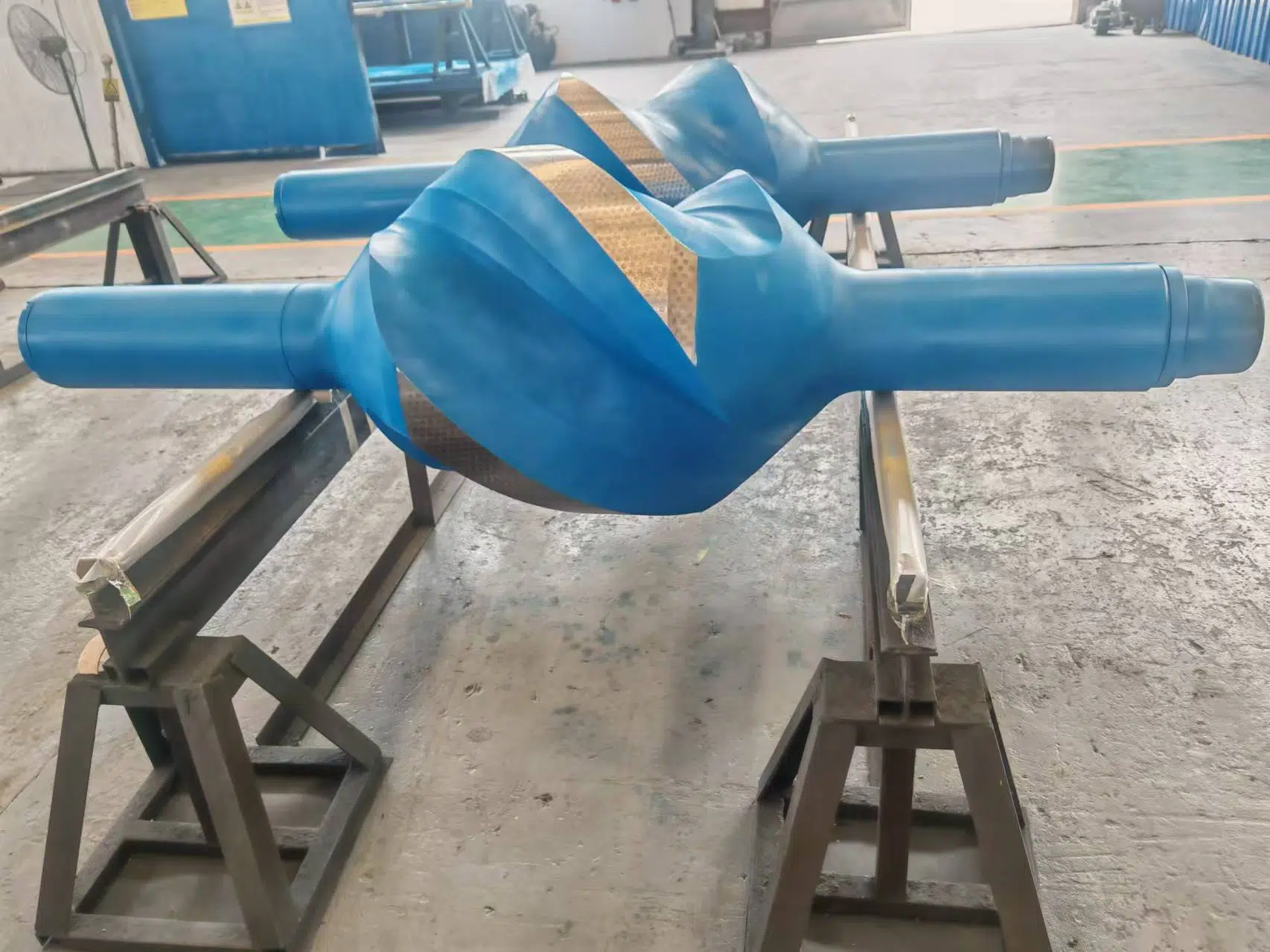
Integral Blade Stabilizer — 12 Imperial Models (WLS42–WLS6)
| Model | Connection | Hole Size | Fishing Neck | ID | OAL | Blade Length | Blade Width |
|---|---|---|---|---|---|---|---|
| WLS42 | 8-5/8 REG Box×Pin | 42″ | 11″ | 3″ | 118–130″ | 24″ | 6.5″ |
| WLS36 | 7-5/8 REG Box×Pin | 36″ | 9.5″ | 3″ | 110–120″ | 22″ | 6.5″ |
| WLS28 | 7-5/8 REG Box×Pin | 28″ | 9.5″ | 3″ | 100–110″ | 20″ | 4″ |
| WLS26 | 7-5/8 REG Box×Pin | 26″ | 9.5″ | 3″ | 100–110″ | 20″ | 4″ |
| WLS24 | 7-5/8 REG Box×Pin | 24″ | 9.5″ | 3″ | 100–110″ | 20″ | 4″ |
| WLS22 | 7-5/8 REG Box×Pin | 22″ | 9.5″ | 3″ | 100–110″ | 20″ | 4″ |
Integral Blade Stabilizer — 12 Imperial Models (WLS42–WLS6)
| Model | Connection | Hole Size | Fishing Neck | ID | OAL | Blade Length | Blade Width |
|---|---|---|---|---|---|---|---|
| WLS17½ | 7-5/8 REG Box×Pin | 17½” | 9.5″ | 3″ | 90–100″ | 18″ | 3.5″ |
| WLS16 | 7-5/8 REG Box×Pin | 16″ | 9.5″ | 3″ | 90–100″ | 18″ | 3.5″ |
| WLS12½ | 6-5/8 REG Box×Pin | 12½” | 8″ | 2 13/16″ | 79–90″ | 18″ | 3″ |
| WLS12¼ | 7-5/8 REG Box×Pin | 12¼” | 8″ | 2 13/16″ | 79–90″ | 18″ | 3″ |
| WLS8½ | 4½ IF Box×Pin | 8½” | 6¾” | 2 13/16″ | 65–72″ | 16″ | 2.25″ |
| WLS6 | 3½ IF Box×Pin | 6″ | 4¾” | 2¼” | 60–66″ | 16″ | 2″ |
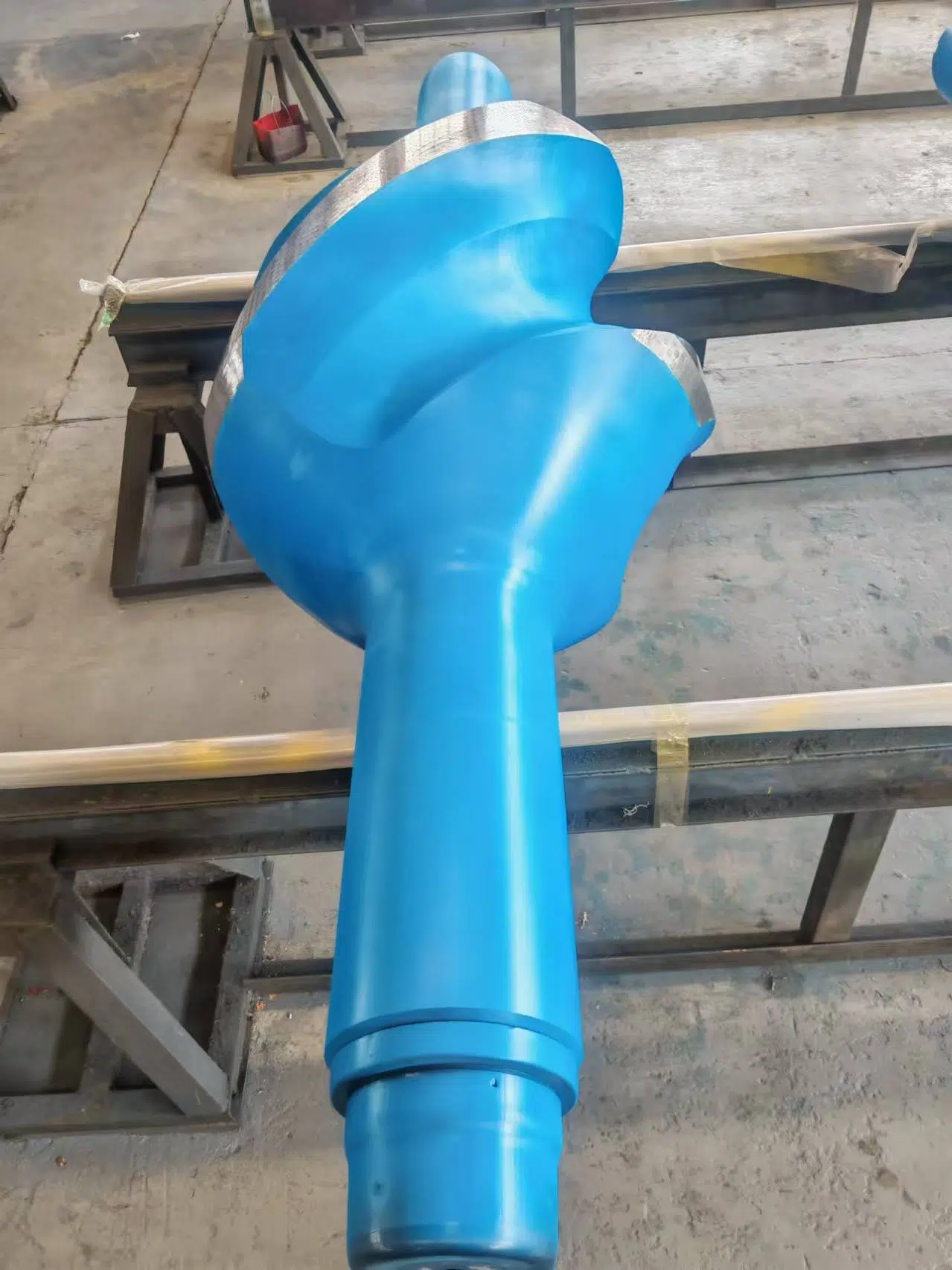
Replaceable Sleeve Stabilizer — 17 Metric Models (6″–28″ bit size)
| Bit Size | OD (mm) | Neck OD (mm) | ID (mm) | OAL (mm) | DS Top | DS Down | NB Top | NB Down |
|---|---|---|---|---|---|---|---|---|
| 6″ | 152.2 | 121 | 51 | 1200 | NC38 | NC38 | NC38 | 3½ REG |
| 6¼” | 158.7 | 121 | 51 | 1200 | NC38 | NC38 | NC38 | 3½ REG |
| 6½” | 165.1 | 121 | 51 | 1200 | NC38 | NC38 | NC38 | 3½ REG |
| 7½” | 190.5 | 159 | 57 | 1600 | NC46 | NC46 | NC46 | 4½ REG |
| 7⅞” | 200 | 159 | 57 | 1600 | NC46 | NC46 | NC46 | 4½ REG |
| 8⅜” | 212.7 | 159 | 71 | 1600 | NC50 | NC50 | NC50 | 4½ REG |
| 8½” | 215.2 | 159/165/178 | 71 | 1600 | NC50 | NC50 | NC50 | 4½ REG |
| 8¾” | 222.2 | 159/165/178 | 71 | 1600 | NC50 | NC50 | NC50 | 4½ REG |
| 9½” | 241.3 | 178/197 | 71 | 1600 | NC50 | NC50 | NC50 | 4½ REG |
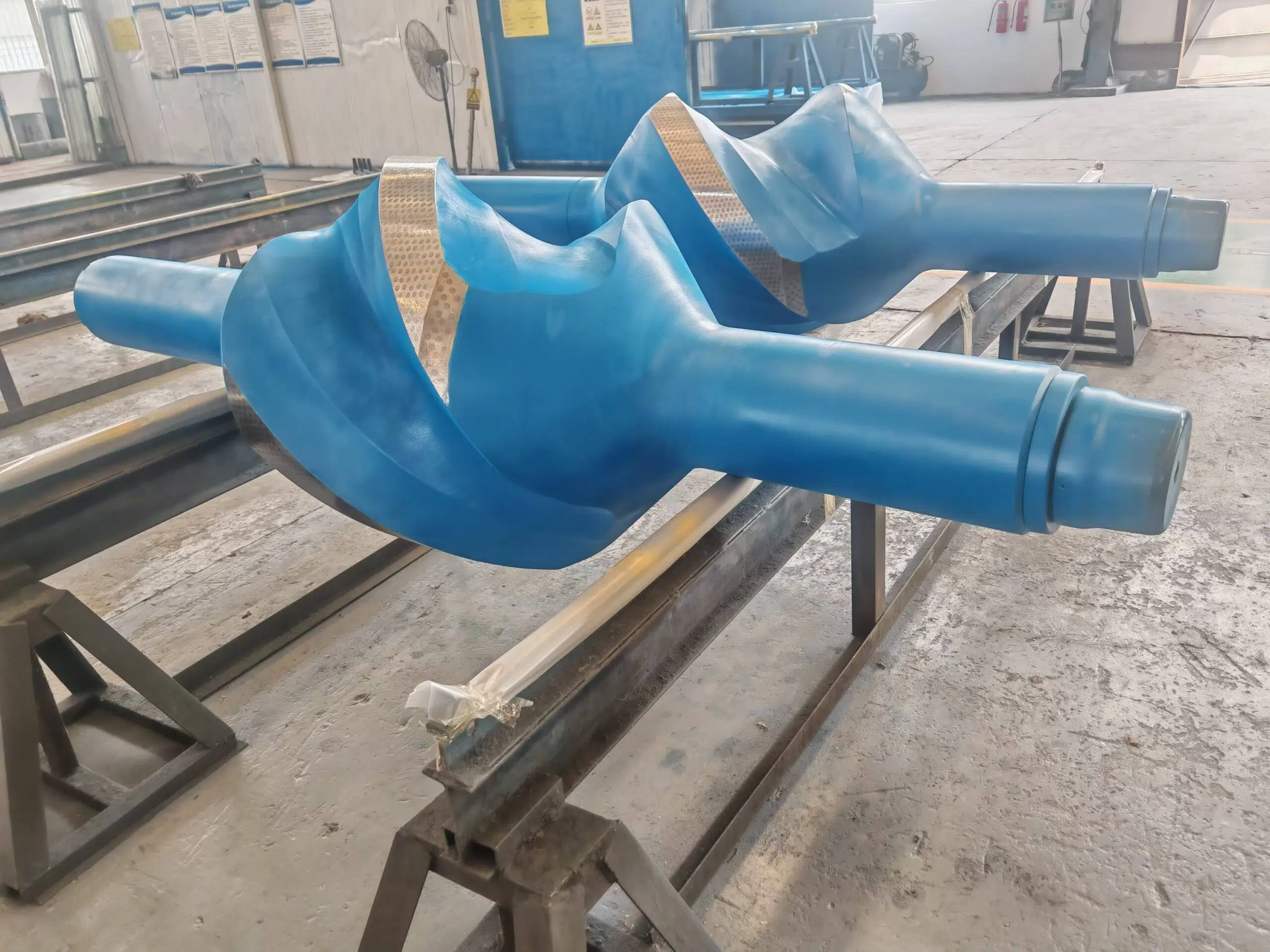
Replaceable Sleeve Stabilizer — 17 Metric Models (6″–28″ bit size)
| Bit Size | OD (mm) | Neck OD (mm) | ID (mm) | OAL (mm) | DS Top | DS Down | NB Top | NB Down |
|---|---|---|---|---|---|---|---|---|
| 9⅝” | 244.5 | 178/197 | 71 | 1800 | NC50 | NC50 | NC50 | 6⅝ REG |
| 9⅞” | 250.8 | 178/197 | 71 | 1800 | NC50 | NC50 | NC50 | 6⅝ REG |
| 12¼” | 311.2 | 203/209 | 76 | 1600 | 6⅝ REG | 6⅝ REG | 6⅝ REG | 6⅝ REG |
| 16″ | 406 | 229/241.3 | 76 | 2000 | 7⅝ REG | 7⅝ REG | 7⅝ REG | 7⅝ REG |
| 17½” | 444.5 | 229/241.3 | 76 | 2000 | 7⅝ REG | 7⅝ REG | 7⅝ REG | 7⅝ REG |
| 24″ | 609.6 | 229/241.3 | 76 | 2000 | 7⅝ REG | 7⅝ REG | 7⅝ REG | 7⅝ REG |
| 26″ | 660.4 | 229/241.3 | 76 | 2000 | 7⅝ REG | 7⅝ REG | 7⅝ REG | 7⅝ REG |
| 28″ | 711.2 | 229/241.3 | 76 | 2000 | 7⅝ REG | 7⅝ REG | 7⅝ REG | 7⅝ REG |
Using the 29-Model Sizing Atlas
From the bit size or hole size you have drilled, read to the equivalent body od, connection and full length on the right.
Consult the fishing neck and internal diameter against your fishing and flow criteria, prior to selecting your model.
Provide Welong with target hole size, formation and drill string position, and we will determine the correct integral or sleeve model as well as grade of hardface material required.
Stabilizer types and where each name fits
A drill string stabilizer, also referred to as a drill pipe stabilizer or simply as a string stabilizer, is placed in the drill string above the bit to help to ensure that the drill collars remain at the centre of the hole.
Near bit stabilizers (also sometimes referred to as drill bit stabilizers) are located in the string directly above the bit; they are the primary focal point of orientation.
Whether the unit has integral, spiral blades or straight blades, these design terms usually refer to blade geometry, not how the blade was attached to the body; a “welded blade” product is dissimilar to both Welong products as its blades are welded to a pre-made body versus being incorporated into the original forge and the machine operation, and Welong has integral products available as standard or non-mag stabilizer.
Shop-floor product record
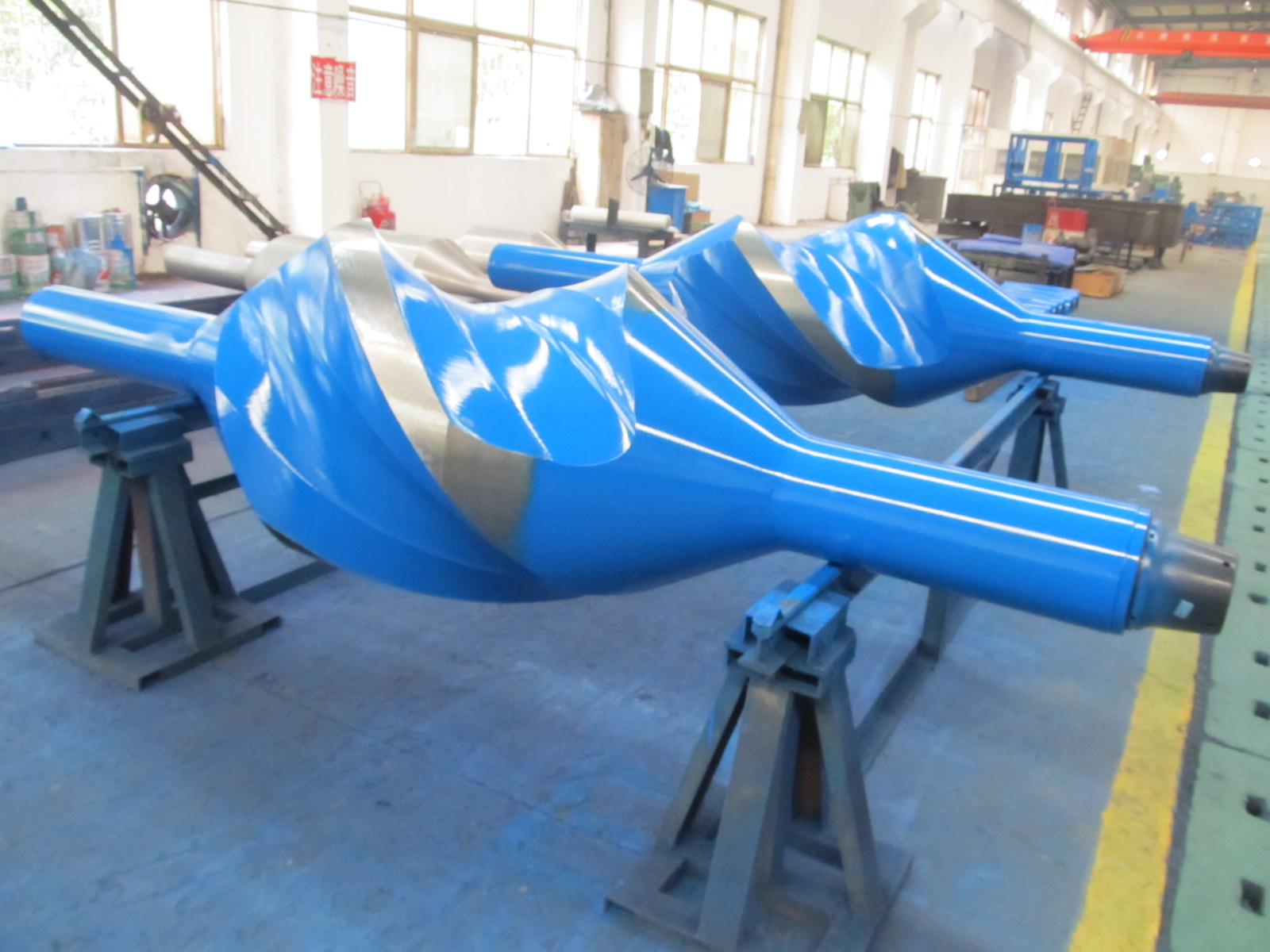
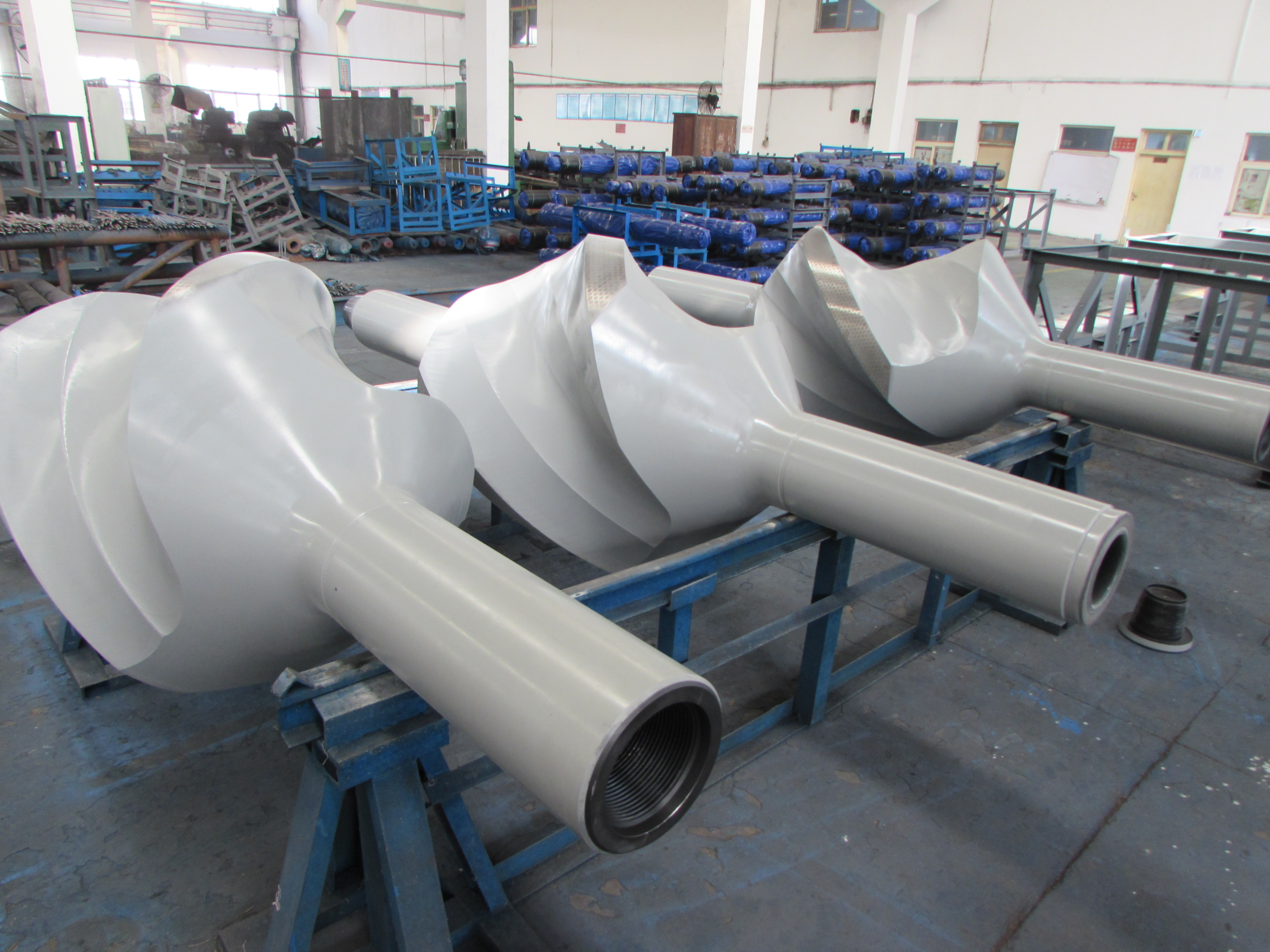
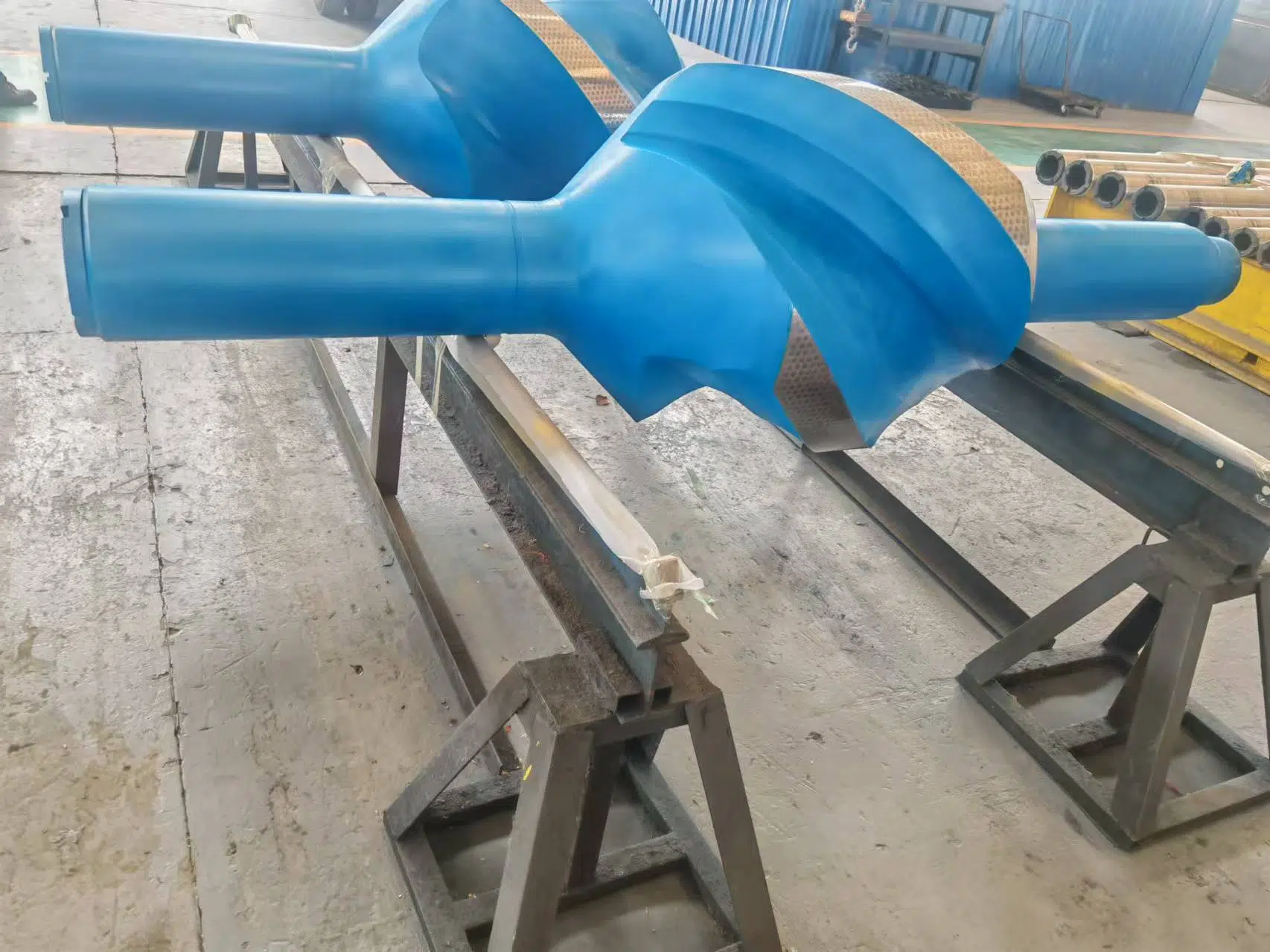
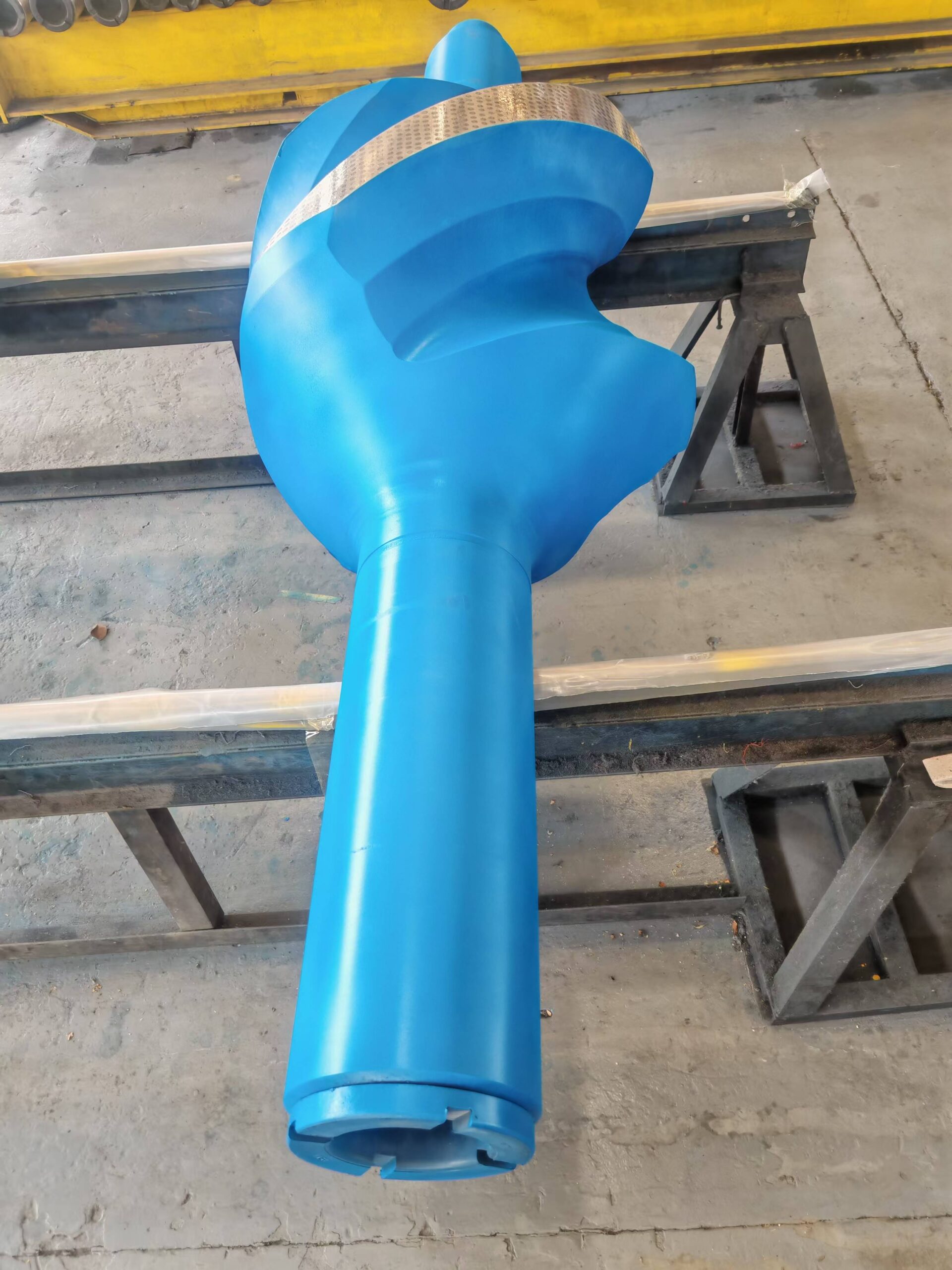
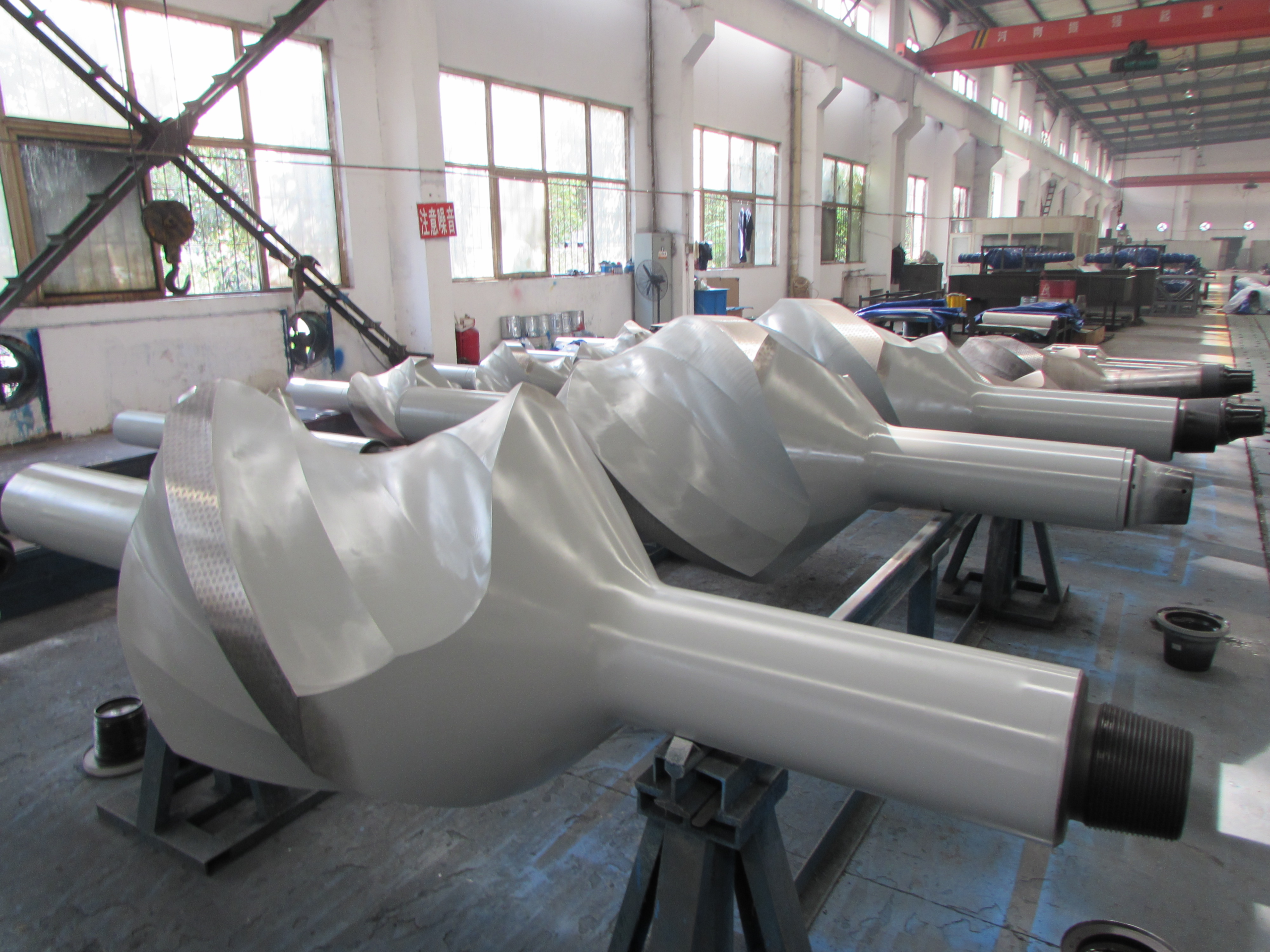
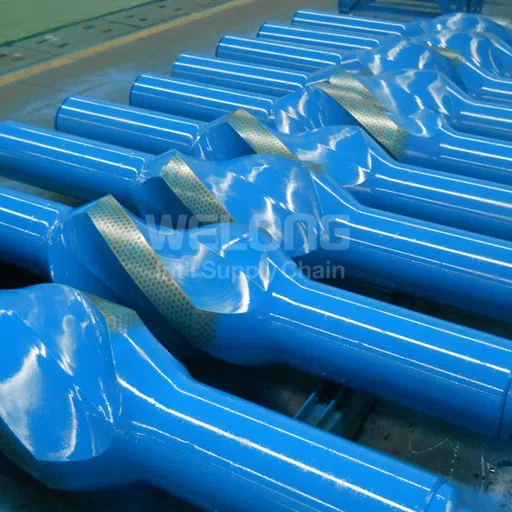
Finished Stabilizer Bodies for Build Review
Real product photos are placed next to the sizing and construction choices, so buyers can compare blade form, body finish and machined-end details before confirming the required stabilizer route.
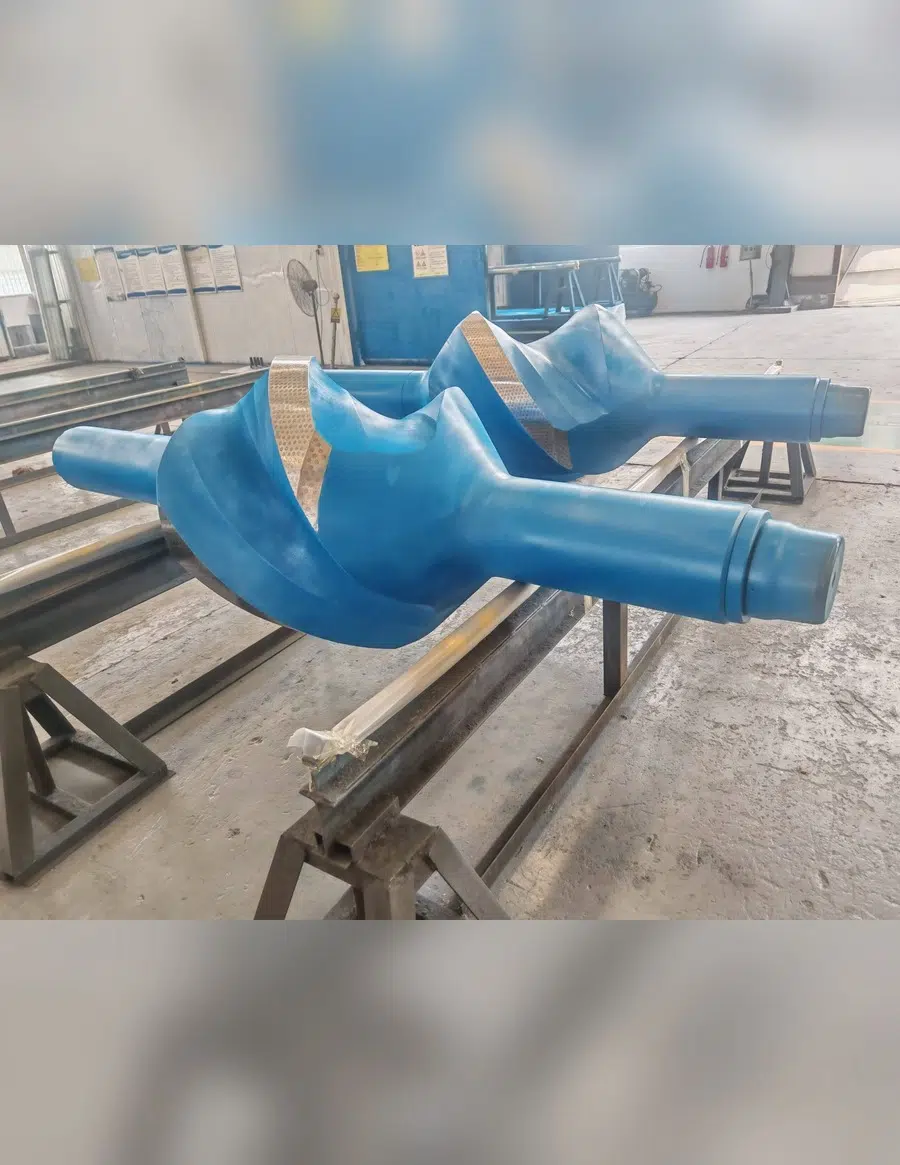
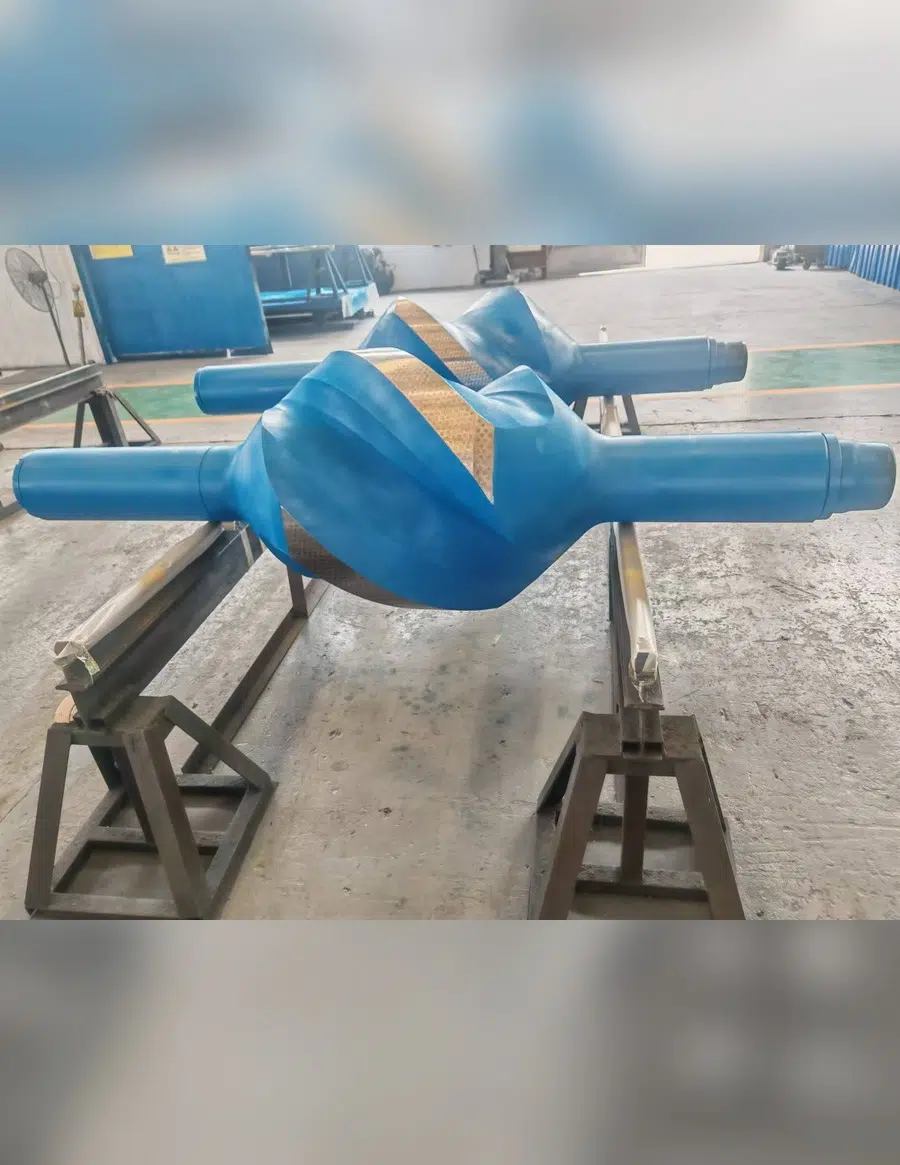
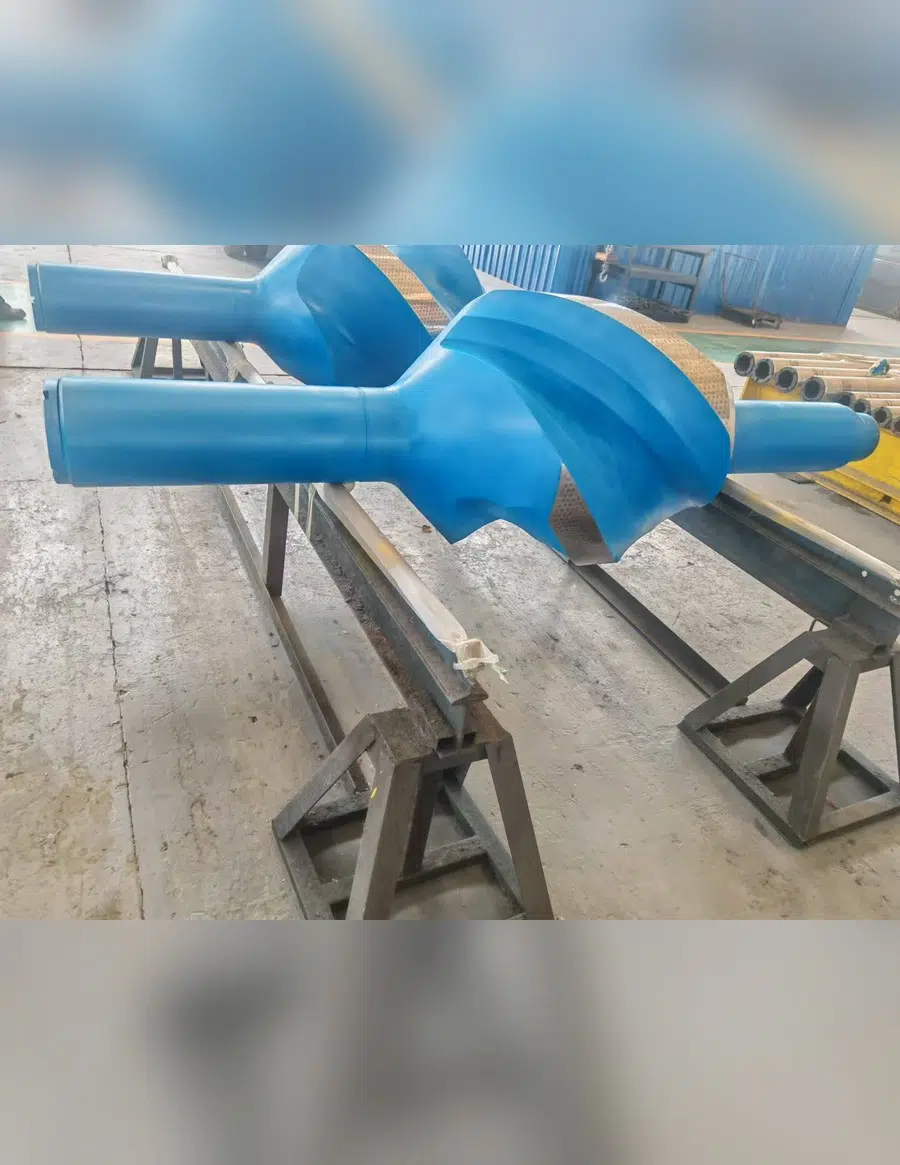
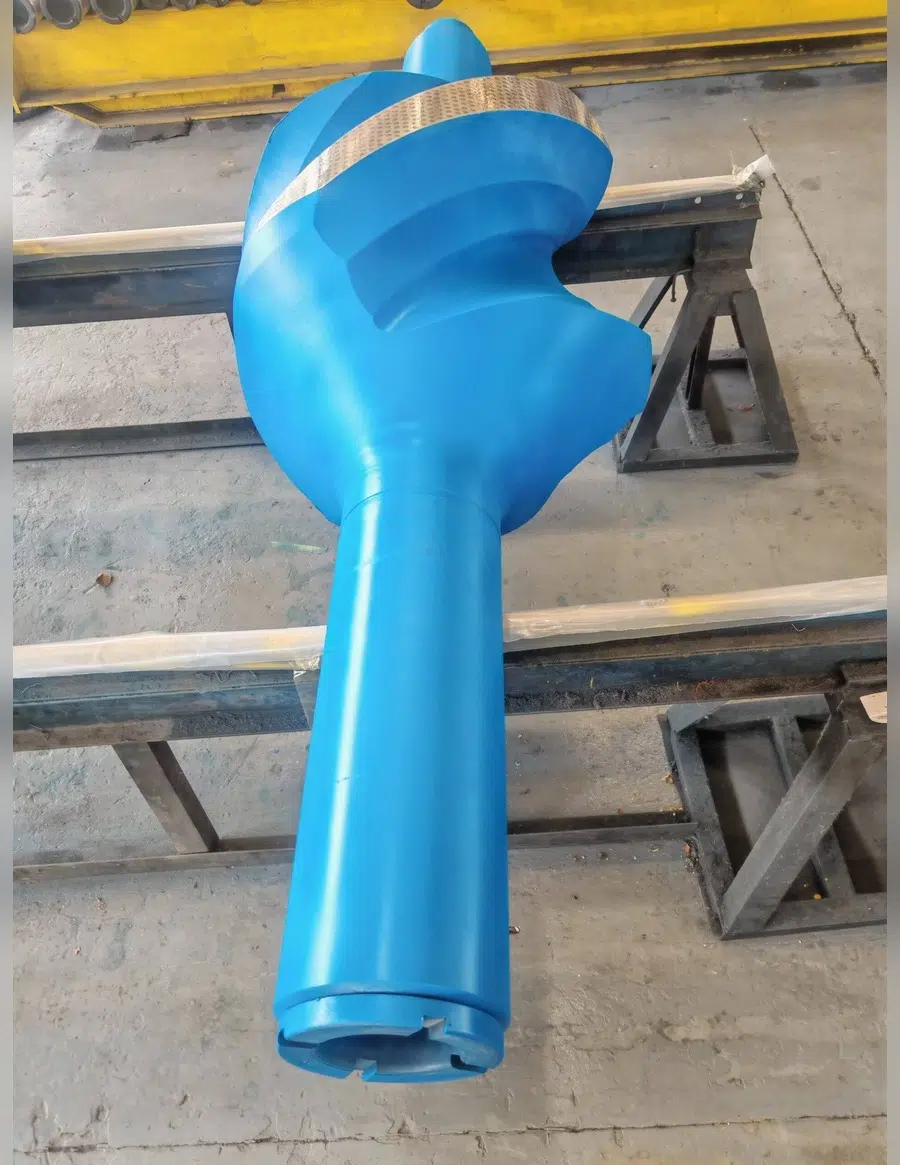
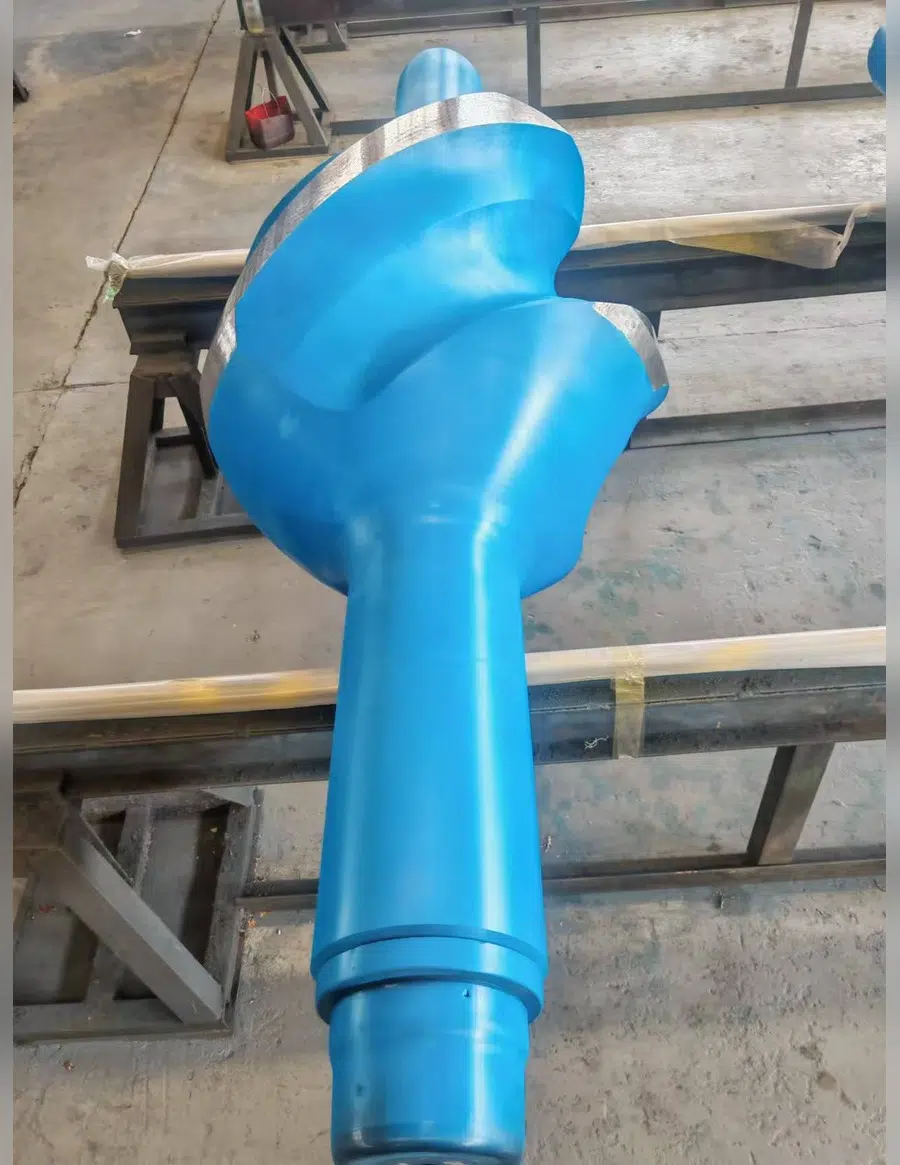
Shop-floor finished bodiesSpiral blade bodyMachined end referenceBlade profile detail
Integral Blade or Replaceable Sleeve? A Selection & Cost Trade-off
An integral blade stabilizer is recommended for use when you drill one hole size repeatedly in hard or highly abrasive environments and do not want to worry about losing bolts and accessories, whereas a replaceable sleeve stabilizer is specified where one mandrel must accommodate many hole sizes and field renewal of gauge is more important than minimum purchase cost.
Integral Blade vs Replaceable Sleeve — On the Decisions Buyers Actually Make (See the Full Sleeve vs Integral Blade Comparison)
| Decision Factor | Integral Blade | Replaceable Sleeve |
|---|---|---|
| Body construction | One forged single piece | Mandrel + bolted sleeve |
| Blade-loss exposure | None (no separate blades) | Sleeve retained on mandrel |
| Covering several hole sizes | One tool per size | One mandrel, multiple sleeves |
| Renewing worn gauge | Return whole tool to shop | Swap the sleeve |
| Best-fit setting | Repeated size, hard formation | Multi-size program, remote rig |
Where Welded-Blade Tools Fit — And Where They Do Not
Welded blade stabilizers are the cheapest construction method because the blades are welded on instead of being forged with the body. Many drill string experts recommend against welding them on as the likely place to lose one in hard abrasive rock; dropped blades are one common source of junk-in-hole problems. As a company we don’t offer welded blade stabilizers; we stick with integral forged bodies or replaceable sleeves, although integral tungsten-carbide cast gauge faces also offer proven functionality. When an integral body is the right call, our field roundup of integral blade stabilizer options lines up the configurations that have held up in oilfield service.
“Welded-blade is cheapest, but everyone says don’t run them in oil wells because you can lose a blade. Is that a real hazard or an upsell?”
Yes, it is quite a risk and this is precisely what the trade-off referenced above is built around – whether or not the user runs the risk of losing a blade; not the immediate purchase price of the tool. That loss risk can be eliminated via a replaceable sleeve that can be replaced remotely or by always using an integral, fixed-blade assembly nothing on which to shed. Our own explainer on how a replaceable sleeve stabilizer works walks through the full swap sequence and why gauge is renewed without tripping the whole tool.
Hardfacing Grades HF1000–HF5000: Matching Wear Protection to Formation
A “hardface” is a wear-resistant coating applied to the surfaces called gauge which engage the borehole walls. HF designations are a somewhat universal convention in published technical references to indicate resistance to abrasion and wear versus a unique product line of one particular vendor, and therefore the correct grade choice depends on the wellbore lithology – softer (low HF #) through very hard, highly abrasive wellbores (high HF #).
Hardfacing grade to formation — selection guide
| Grade | Reference carbide route | Formation match |
|---|---|---|
| HF1000 | Crushed tungsten carbide in a softer matrix | Soft, low-abrasion formations |
| HF2000 | Higher carbide fraction | Medium formations, some abrasion |
| HF3000 | Carbide route with non-magnetic option | Directional and survey intervals |
| HF4000 | Dense carbide coverage | Hard, abrasive formations |
| HF5000 | Maximum carbide coverage | Hard, highly abrasive drilling |
Why the grade, not a life multiple, is the honest promise
Adding tungsten carbide will measurably increase abrasive wear resistance and the physical mechanism as well-documented by both peer review testing and practical field performance (Int’l Journal of Refractory Metals & Hard Materials, 2021) are corroborated. This testing also indicates that wear is a function of carbide hardness, toughness, size, and shape, as well as matrix hardness, so a singular “wear 3 times longer” multiple does not fit every formation (Metals, 2021). Welong’s honest promise is a grade-to-formation match and a tool that comes back to gauge, not a claim for fixed wear life.
How the grade is applied and checked
For a hardfaced stabilizer, the quotation should identify the responsible manufacturer, hardfacing grade and application route, finished-gauge tolerance, inspection method and records.
To run a low grade in an abrasive rock formation leads to a tool that may be under-gauge after a single run, and that is why grade is matched to formation hardness, because carbide toughness, not price, sets wear life.
Under a number of conditions, peer-reviewed tests conducted on 40-60% tungsten carbide hardfacing show that Wear rate decreases with increases in carbide content; the genuine variable is grade, not a constant multiplied wear-life (Metals 2021).
Where Welong Stabilizers Run: Directional, MWD/LWD & Horizontal Wells
To start with, stabilizers are the primary method of control; the placement of a stabilizer in the BHA controls whether the string will be building or dropping angle and has the tendency to build angle by serving as the fulcrum for the system when placed next to the bit. In the absence of near-bit stabilization the BHA will often act as a pendulum. That is why Welong documents positions of near-bit stabilizer as well as string stabilizer positions and does not produce a single item.
Measurement-while-drilling and non-magnetic zones
A stabilizer placed near a magnetic survey instrument may require a non-magnetic material route so nearby steel does not distort the reading. For a non-magnetic integral or sleeve, the quotation should identify the responsible manufacturer, material grade, heat treatment, finished-gauge requirement and inspection records for the selected MWD or LWD application.
“More stabilizers were supposed to kill the vibration, but now the string won’t slide and the drag is through the roof.”
Placement, not quantity
The well-coordinated placement of 3-5 stabilizers, strategically located to hold angle, rather than simply to accommodate the maximum possible, is utilized in packed-hole assemblies.
A common mistake is adding stabilizers only for stability; over-constraining the assembly, or letting cuttings pack around a stabilizer, can raise torque and drag, so the sticking risk is context-dependent and does not occur on every run.
The spiralled gauge profile reduces the tool’s wall contact with the borehole – reported reductions are on the order of 40% in some configurations. This reduction of wall contact minimizes risk of sticking due to differential formation pressure, but needs to be aligned with formation context.
Two families accommodate horizontal and extended-reach drilling, or high-temperature directionally inclined drilling, with sizes listed in the above “atlas.” For high-temperature directional services, such as drilling geothermal wells, Welong consults the project’s anticipated operating conditions and material limitations on their selection process, instead of providing a blanket temperature rating for all the tools within.
Materials, Heat Treatment & Third-Party (SGS/DNV) Inspection
The proof case for a stabilizer breaks into three distinct proofs: the grade, the heat treatment, and the inspection. Keeping the three apart matters, because collapsing three separate, verifiable proofs into one “certified” claim is exactly where a buyer gets misled. Each proof below stands on its own, and nothing more is implied beyond it.
Material grades
Bodies are machined from 4145H and 4145H Mod with 4140, 4142, 4330V, and non-magnetic grades possible, with AISI 4145H described as a drilling-tool steel in a peer-reviewed investigation of the grade (Materials, 2022).
The “H” comes from the standard SAE/ASTM H-steel terminology for a guaranteed hardenability band, the result of heat-treatability. It makes your heat-treating batch after batch repeatable.
In no case is material grade presumed on a sample piece as opposed to read off a certificate.
“On the shop floor the rule is simple: the gauge that ships is the gauge we inspected. Every stabilizer is checked back to the gauge ring and its steel grade is confirmed on the mill certificate before it leaves — not assumed from the first sample.”
Standards scope and what it does not cover
Stabilizers use the stated API Spec 7-1 dimensions and materials as technical delivery conditions. Confirm the documentation required for the selected unit.
In-Process QC
Machining & hardfacing checks
Final Inspection
Dimensional & gauge ring
SGS
Third-party option
DNV
Third-party option
Material Certs
Grade & batch traceability
“A sample looks correct, but the bulk order comes back with lower-grade steel or inconsistent heat treatment.”
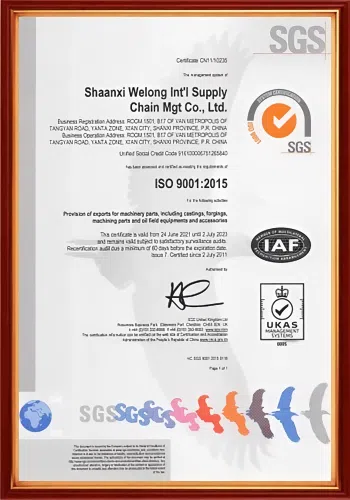
And that is a good fear, countered by documentation not a catchy slogan. Material certificates plus in-process and final inspection is what goes hand in hand with optional SGS or DNV third-party inspection – so the guarantee that a grade and heat treatment specification will remain consistent is backed by proof, not the power of speech.
×
![Enlarged Certificate]()
Drilling Stabilizer Engineering Tools
Stabilizer Model Selector
Enter your hole or bit size to see the closest Welong integral-blade and replaceable-sleeve model. Final size, connection and hardfacing are confirmed on your spec sheet.
Hardfacing Grade Selector (HF1000–HF5000)
Grade is matched to formation, not sold as a wear-life multiple. Answer three questions for a starting grade; Welong confirms the carbide route against your lithology.
Integral Blade or Replaceable Sleeve?
The honest trade-off is blade-loss risk and field renewal versus purchase cost — not price alone. Answer four questions.
Non-Magnetic Stabilizer Checker
A magnetic body near a magnetic survey sensor distorts the reading. Answer two questions to see whether your run needs a non-magnetic stabilizer.
Frequently Asked Questions: Drilling Stabilizers
Enter your drill bit or hole size and look up the corresponding model in the 29-model atlas, then select a hardfacing grade from your formation, noting low grades like HF1000 for soft formation sections and high grades like HF5000 for hard, abrasive intervals that the tool would otherwise return under-gauged. Include a non-magnetic variant if the tool sits within survey range of a Measurement-While-Drilling tool, and check string versus near-bit location against your directional plan before committing to a model. Once the quote returns, it includes the precise model, connections, and hardfacing from your selections – along with a spec sheet for review and approval.
An integral blade stabilizer is milled from a single forging, so no parts require unscrewing; this is ideal when drilling one hole size in hard formation repeatedly. With a replaceable sleeve stabilizer, you’ll get a mandrel that can accept several sleeve sizes. The sleeve wear is replaced by simply installing a new one, but the mandrel remains the same, which makes this design worth considering for remote rigs and multi-size operations.
Absolutely! Every integral and sleeve-compatible tool, regardless of the intended size, connections, or hardfacing type, can be manufactured to order. Listed models represent our standard production run, with nonstandard sizes and connectors available by quote; simply send over your project requirements and we’ll let you know if what you need is possible.
A magnetic stabilizer body would distort the survey even while it centralizes the assembly, which is why non-magnetic grades run near MWD or LWD sensors. For these and other cases, we offer non-magnetic versions of both our integral and sleeve models.
Indeed! Before submitting your payment, you are provided with all necessary documentation, including material and mill certificates, photos taken at various points during production with lot-traceability, and pre-shipping inspection reports. You also have the option of adding optional third-party inspection from SGS or DNV to the pre-shipment process, thereby allowing you to physically verify not only grade, but also heat-treatments, and other characteristics rather than simply reviewing sample reports.
Procurement & Capability
Drilling Stabilizer Capability Review
China Welong reviews the buyer drawing, product specification and inspection scope before quotation.
This review is scoped to the Drilling Stabilizer configurations set out in the specification table on this page — 6 documented rows covering Model, Connection, Hole Size and Fishing Neck.
24 hEngineer-reviewed quotation on business days
2001Founded in 2001
30+30+ engineers on staff
5 yrStamped serial traceability
Quotation Scope and Commercial Terms
Pricing is prepared against the selected product configuration, material route, inspection scope and shipment terms.
- Quotes are returned within 24 hours on business days, reviewed by an engineer.
- T/T or L/C by wire transfer.
- We ship EXW, FOB, CFR or CIF; other Incoterms on request.
- We work from 2D drawings and 3D CAD models (AutoCAD, Pro/ENGINEER, SolidWorks; .dwg and .igs).
Production Planning
Production timing is confirmed with the quotation after quantity, process route and finishing scope are reviewed.
- We hold agreed items in stock and ship against your release to shorten delivery. Feasibility is confirmed at drawing review.
- Manufacturing at Xi'an, Shaanxi and at Jiyuan, Henan.
- 0.01 mm machining precision.
- Material standards to ISO, BS, ASTM, ASME, DIN, JIS and GB.
- Orders ship in standard export wooden cases, or the packing you specify.
Order Review and Responsibility
The responsible manufacturer, inspection scope and document package are identified for the selected item.
- Every quotation states whether the item is made in our own works or by an approved supplier we developed and supervise.
- We develop, audit and supervise the mills and workshops that make your parts: material mills are re-audited every two years and approved by Welong before they run your order.
- Forgings from 0.2 to 50 tons.
Specification and Inspection Evidence
The specification table on this page is the technical basis for this review: its numeric rows define what we quote, manufacture and inspect against.
- Each piece carries a stamped serial number and stays traceable for five years to its chemical composition, mechanical properties and measurement report, with the test coupon retained.
- An EN 10204-3.1B material certificate with chemical composition and mechanical properties, a dimensional measurement report, and UT and MT reports ship with your order.
- Inspection is by coordinate measuring machine, ultrasonic, magnetic particle and X-ray.
Request a Product Review
Send the drawing, product specification and inspection requirements for a quotation review.
![Choke & Kill Hose: [Field Guide]](https://welongoiltools.com/wp-content/uploads/2026/07/choke-kill-hose-guide-featured-1-150x150.png)