Get in touch with Welong Company
Process Documentation
Roller Reamer
Roller Reamer — 3-Point Near-Bit & String Reamers | China Welong
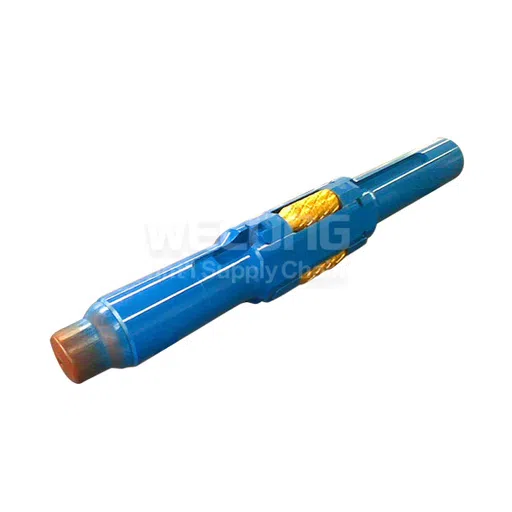
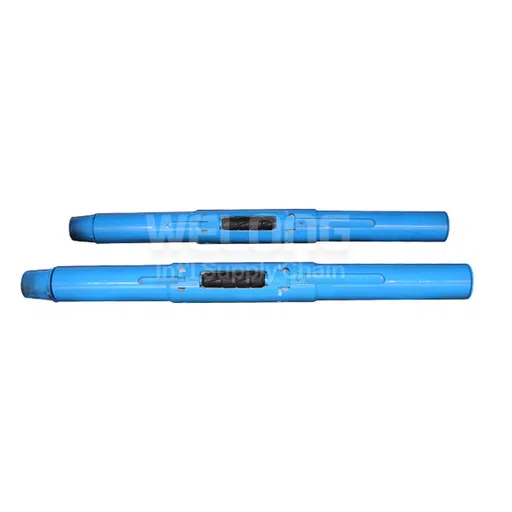
Roller reamers restore and maintain hole gauge, reduce downhole torque, and keep the drill stem centered through hard, medium, and soft formations. China Welong supplies a 3-point rolling-cutter line and manages its production – WLRR6 through WLRR42 – for near-bit and drill-string placement; the quotation confirms the responsible designer and manufacturer, connection basis and material grade.
3-Point
Roller Cutter Configuration
3
Cutter Types — Hard / Med-Hard / Soft
12
Models, 6″–42″ Hole Size
3
Steel Grades — 4145H / 4145H MOD / 4330V
4
Incoterms — FOB / CIF / DDP / DDU
Manufacturing review
Oilfield Tool Manufacturing
When Off-Gauge Hole Wrecks Your Bit Run, a Roller Reamer Fixes It
What still surprises most operators the first time they see it in a drilling report: even a new bit does not always cut a true, straight bore. Slight lateral shifting is built into the drilling process and it leaves ledges and small hole-angle deviations behind – the unpredictable factors that become a dogleg, a key seat, or a stuck-pipe event three joints later. A roller reamer is the downhole tool that restores and maintains hole gauge, clears key seats, and keeps the drill stem centered so those deviations do not compound. The purpose of this drilling operation step is simple: ensure the borehole remains true to gauge and minimize contact-driven torque long before the next drill bit run.
Welong’s roller reamer lays just between the bit and the drill collar – near-bit, or further up the drill string – carrying three rolling cutters to bring the borehole to gauge while turning with the drill stem, not against it. Because the cutters turn as they roll, contact area at the borehole wall is less than a fixed-blade stabilizer’s, and that’s why roller reamers are the tool of choice in wells where bit and bottom hole assembly (BHA) vibration is already limiting rate of penetration.
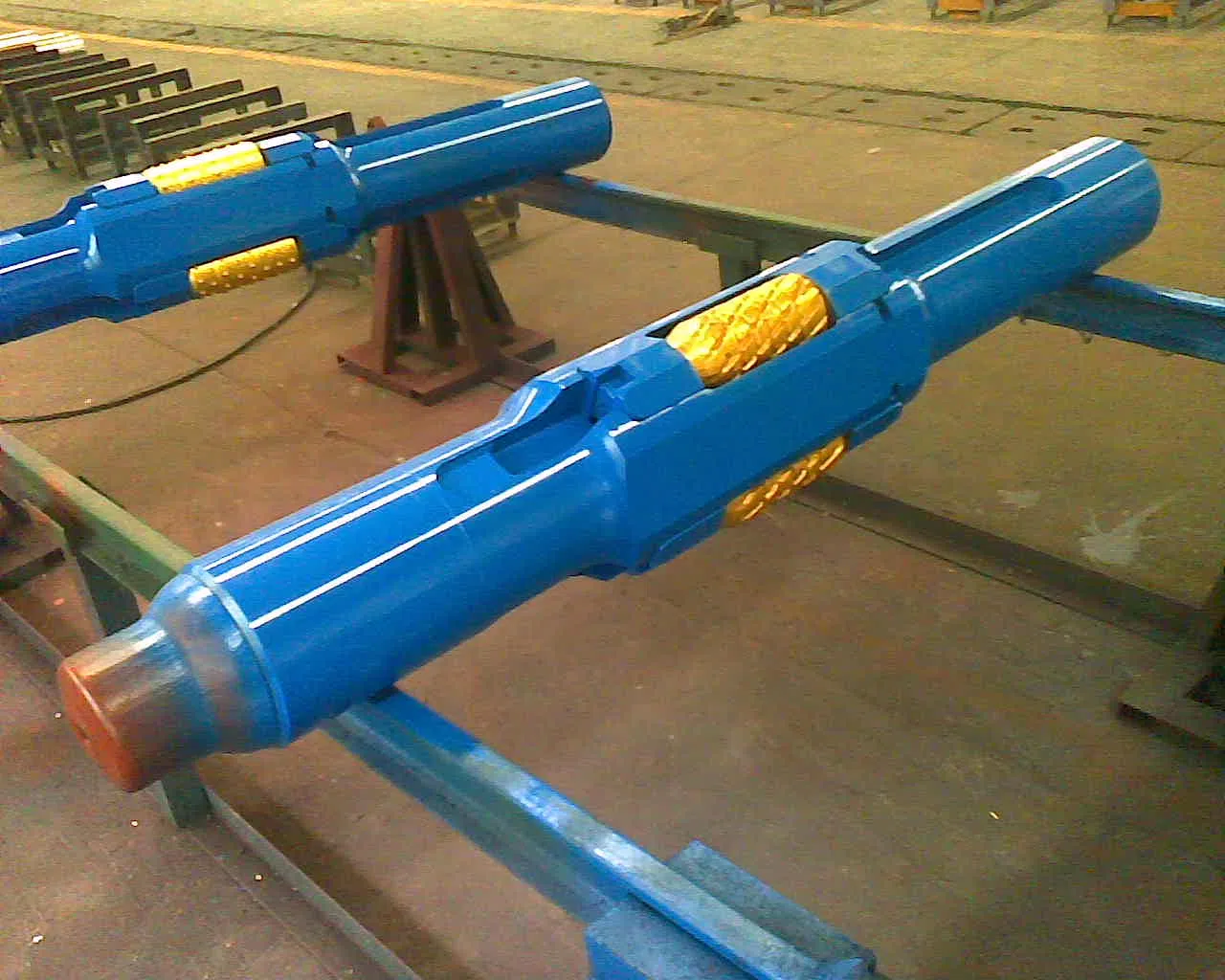
The price of missing this step shows up downhole, not on the purchasing order: an under-gauged hole from a worn bit drives the next bit run to ream back-to-bottom before it can drill fresh formation, key seats grab the drill stem on trips, and unmanaged stick-slip shortens the working life of every tool in the BHA. SPE field trials on wells limited by bit and BHA vibration discovered that another roller reamer on the assembly alleviated stick-slip and whirl-related drilling limits – the process is a stabilizer condition first, and a gauge-restoring condition second, not a borehole-increasing application in the underreamer sense (SPE-119375-MS).[1]
Documented Category-Wide Performance, Not a Single-Test Promise
Multiple SPE, OTC, and IPTC technical papers published between 2009 and 2024 document roller-cutter reamers reducing stick-slip, backward whirl, and stuck-pipe risk across hard-formation and extended-reach wells. Request a technical consultation to review expected behavior for your formation and BHA design.
Source: SPE-119375-MS (2009), OTC FORGE Project (2024), SPE-151603-MS (2012), IPTC-21IPTC (2021) — see References
China Welong Roller Reamer Line — 3-Point Models & Specifications
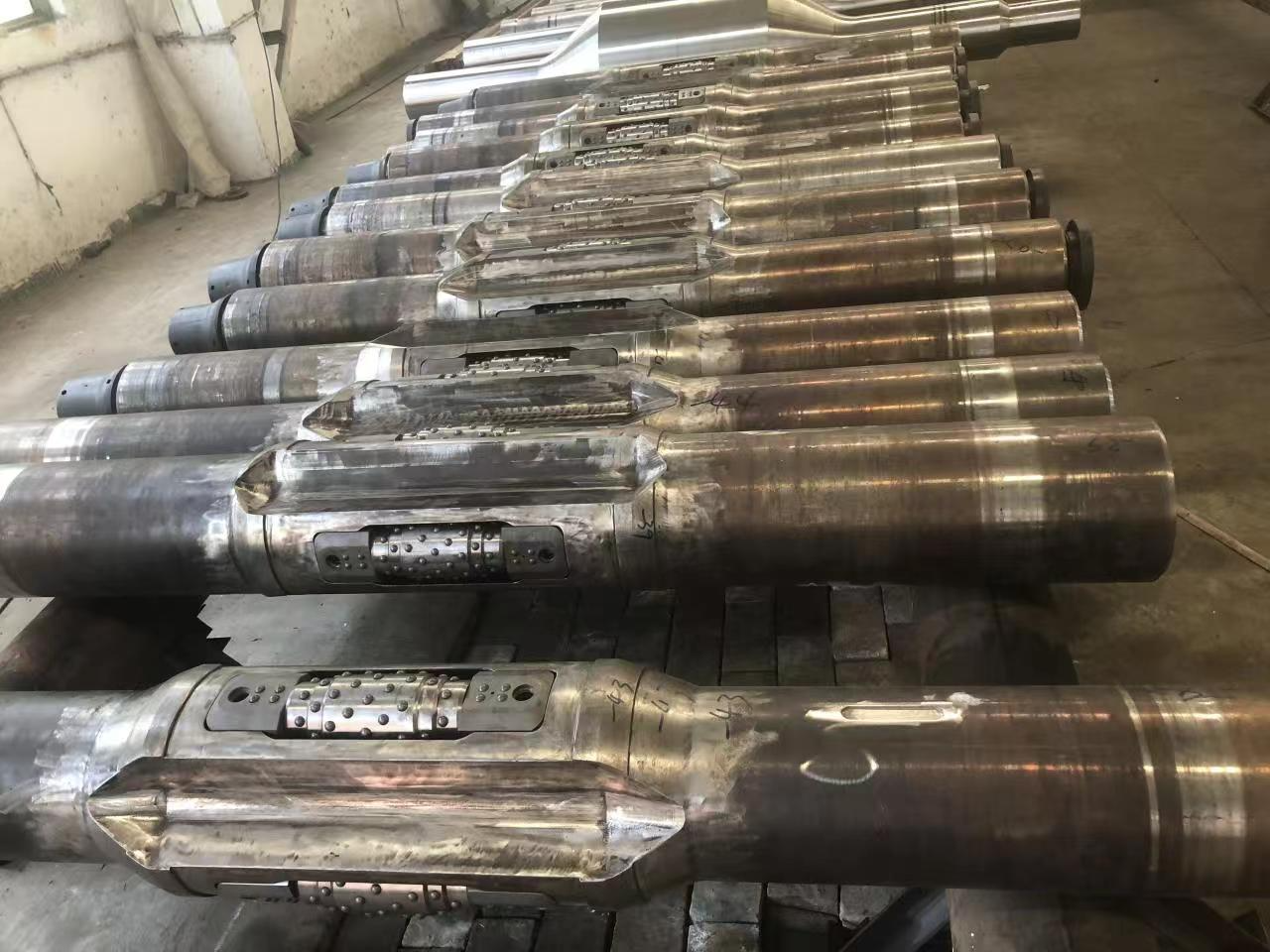
Welong’s roller reamer line is available in twelve standard sizes, from the WLRR6 (6″ hole size, 3-1/2 IF connection) to the WLRR42 (42″ hole size, 8-5/8 REG connection). The listed models use three roller cutters – the 3-point configuration buyers specifically ask for by name – pinned and sized to run near-bit or up the drill string unmodified. The industry at large also employs four-point and six-point rolling-cutter reamers for every other possible hole-size and torque-loading combination, but Welong’s standard product line emphasizes the 3-point model, with other point loadings on custom-order only.
Custom hole sizes, connection types, and blade lengths on request – here is Welong’s full size range.
| Model | Connection | Hole Size | Fishing Neck | ID | OAL | Blade Length | Roller Qty |
|---|---|---|---|---|---|---|---|
| WLRR42 | 8-5/8 REG Box x Pin | 42″ | 11″ | 3″ | 118-130″ | 24″ | 3 |
| WLRR36 | 7-5/8 REG Box x Pin | 36″ | 9.5″ | 3″ | 110-120″ | 22″ | 3 |
| WLRR28 | 7-5/8 REG Box x Pin | 28″ | 9.5″ | 3″ | 100-110″ | 20″ | 3 |
| WLRR26 | 7-5/8 REG Box x Pin | 26″ | 9.5″ | 3″ | 100-110″ | 20″ | 3 |
| WLRR24 | 7-5/8 REG Box x Pin | 24″ | 9.5″ | 3″ | 100-110″ | 20″ | 3 |
| WLRR22 | 7-5/8 REG Box x Pin | 22″ | 9.5″ | 3″ | 100-110″ | 20″ | 3 |
| Model | Connection | Hole Size | Fishing Neck | ID | OAL | Blade Length | Roller Qty |
|---|---|---|---|---|---|---|---|
| WLRR17 1/2 | 7-5/8 REG Box x Pin | 17 1/2″ | 9.5″ | 3″ | 90-100″ | 18″ | 3 |
| WLRR16 | 7-5/8 REG Box x Pin | 16″ | 9.5″ | 3″ | 90-100″ | 18″ | 3 |
| WLRR12 1/2 | 6-5/8 REG Box x Pin | 12 1/2″ | 8″ | 2 13/16″ | 79-90″ | 18″ | 3 |
| WLRR12 1/4 | 7-5/8 REG Box x Pin | 12 1/4″ | 8″ | 2 13/16″ | 79-90″ | 18″ | 3 |
| WLRR8 1/2 | 4 1/2 IF Box x Pin | 8 1/2″ | 6 3/4″ | 2 13/16″ | 65-72″ | 16″ | 3 |
| WLRR6 | 3-1/2 IF Box x Pin | 6″ | 4 3/4″ | 2 1/4″ | 60-66″ | 16″ | 3 |
Model Selection Matrix
Verify hole size and connection with your bottom hole assembly before requesting a quote. This grid can be cross-referenced with the above application band range and identifies every cutter’s designation by number.
| Hole Size Range | Reference Connection | Fishing Neck | Best-Fit Application |
|---|---|---|---|
| 6″–8 1/2″ | 3-1/2 IF / 4 1/2 IF | 4 3/4″–6 3/4″ | Slim-hole and coring assemblies |
| 12 1/4″–12 1/2″ | 6-5/8 REG / 7-5/8 REG | 8″ | Intermediate section, near-bit placement |
| 16″–17 1/2″ | 7-5/8 REG | 9.5″ | Surface/intermediate transition, high dogleg-severity wells |
| 22″–28″ | 7-5/8 REG | 9.5″ | Large-diameter surface hole, string reamer placement |
| 36″–42″ | 7-5/8 REG / 8-5/8 REG | 9.5″–11″ | Conductor/surface hole, hard-formation gauge maintenance |
Material & Cutter Selection
China Welong supplies bodies specified in AISI 4145H, 4145H MOD or AISI 4330V alloy steels matched to roller cutter type; the responsible manufacturer and material evidence are confirmed in the quotation: Hard formation, Medium-to-Hard Formation or Soft Formation cutters. If your program is designed for H2S-containing sour service, ask us for written NACE MR0175 / ISO 15156 material qualification before confirming your order – AISI grade choice and sour-service qualification are two separate specifications, and we will not claim standard-grade tooling is sour-service rated without that written confirmation.
The cutter-retention system is intended to maintain weight transfer and hole gauge during drilling. Select the roller reamer from the formation and BHA requirements.
Each WLRR model is machined against the applicable drawing set and supported by consistent process documentation for the selected order.
Rather than catalog entries listing a single “standard” connection for each hole size, the above spec table notes the precise REG/IF code for a 42 in conductor-hole reamer or a 6 in slim-hole unit alike – the detail our customers really verify before submitting a purchase order. In fact the quotation review should confirm connection, hole size and cutter type against the formation for the selected BHA.
Roller Reamer vs Hole Opener vs Fixed-Blade Stabilizer — Performance Comparison
Buyers new to bottom hole assembly design are usually concerned about whether a roller reamer, a hole opener, and a fixed-blade stabilizer can be used interchangeably. Mixing them on an order is the single most often-cited ordering error we observe.
| Tool | Cutting Action | Gauge Behavior | Wear-Part Replacement | Reference Placement |
|---|---|---|---|---|
| Welong Roller Reamer | 3 rolling cutters, cutters at or slightly under bit gauge | Restores/maintains gauge; centralizes drill stem | Field-replaceable cutters, roller pins | Near-bit or drill-string |
| Hole Opener | Fixed or PDC blades, cutters set beyond bit gauge | Enlarges hole diameter beyond original bit gauge | Blade/insert replacement, often shop service | Above pilot bit, HDD and wellbore-enlargement work |
| Fixed-Blade Stabilizer | Full-contact blades, no rolling element | Centralizes only; does not restore gauge on worn holes | No moving parts; blade wear affects full contact zone | Above bit or spaced through BHA |
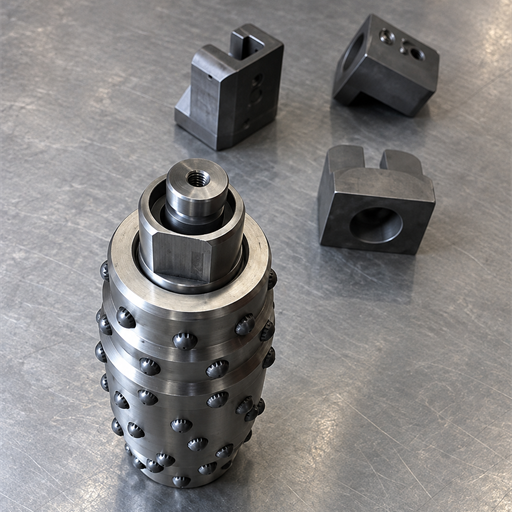
Roller-reamer cutters roll along the borehole wall to support gauge maintenance and smooth drilling. A hole opener is selected when the pilot hole must be enlarged.
“We size the roller cutters to run at or just under bit gauge on purpose — the job is to hold the hole true and quiet, not to fight the bit for diameter. Customers who confuse that with a hole opener usually find out on the rig floor, not before.”
Mistaking this for a paperwork issue is one downhole regrets when the problem arrives at the rig. A hole opener is designed with blades set to cut beyond bit gauge; running a roller reamer where the job actually calls for hole enlargement leaves the diameter the customer needed short. While a fixed-blade stabilizer keeps a constant footprint against the wall throughout its blades, the cutter’s rolling construction can reduce this footprint; confirm the selected design and responsible manufacturer in the quotation. This is why roller reamers are common in torque-reduction literature and fixed-blade stabilizers are not.
Application engineers can select a roller reamer for gauge maintenance, hole enlargement, or centralization from the intended BHA purpose.
Near-Bit or String — Positioning Your Roller Reamer in the BHA
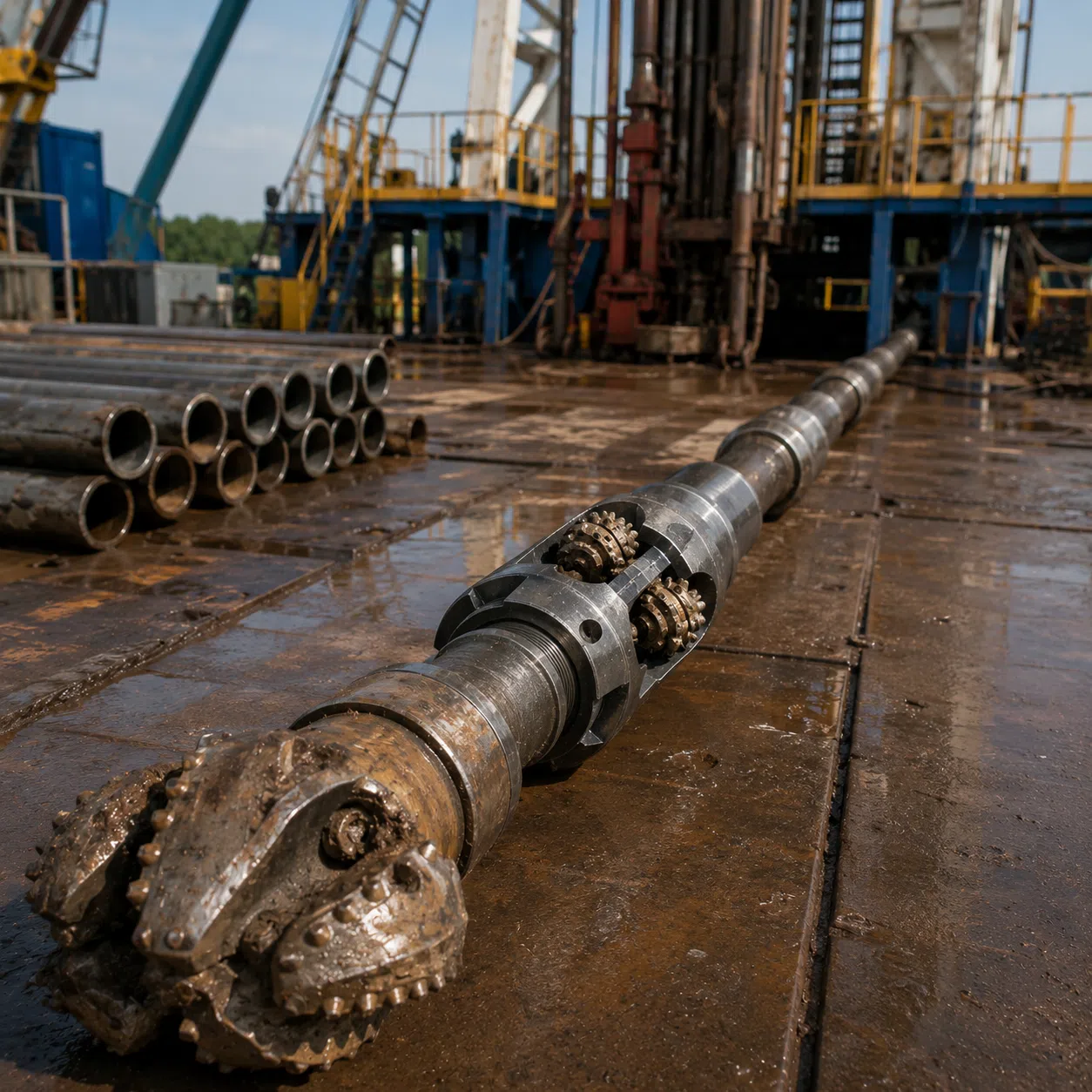
Roller reamers can be run as near-bit or as a string reamer, with significant functional differences. Near-bit tools, positioned just above the bit, prepare the hole directly behind the cutting structure and are a preference among many directional drillers facing localized dogleg severity or risk of key-seat engagement close to the bit. A string reamer, installed further up the BHA, manages gauge and provides stability across a larger portion of the wellbore, beneficial when issues are more broadly distributed.
Placement is a factor in vibration control but not the ultimate solution for hole stabilization. Studies on drilling dynamics indicate that reamer effectiveness is contingent on the number, outer diameter, and position of centralizing elements across the entire BHA, rather than solely on near-bit vs. string placement.[3] Therefore, your directional drilling engineer will size and locate the roller reamer within the context of the full BHA centralization plan.
What the Technical Literature Shows
Point-the-bit rotary steerable system research has used a roller reamer as a pivot point to isolate BHA whirl from stabilizer-induced torque, reducing both stick-slip and backward whirl in the assemblies evaluated (SPE-151603-MS).[4] Separate research into rotary-steerable system design found that tuned roller reamer placement helped prevent stuck-pipe events in the wells studied (IPTC-21IPTC).[5] Both of these studies treated the roller reamer as one tunable element within the BHA, consistent with the centralization-plan approach above.
For directional or extended-reach wells, share your BHA configuration (bit type, motor/rotary steerable system, and expected dogleg severity) and our team can advise whether a near-bit, string, or combination placement is best from our range of twelve tools.
Near-bit and string placement serve different BHA purposes. Confirm the placement from the BHA diagram before ordering.
Rc-Series Spec
Formation-Matched Roller Cutters — Hard, Medium-to-Hard & Soft Formation Types
China Welong provides three kinds of roller cutters, engineered according to the rock formation (Hard Formation cutters are for abrasive, high-compression rock; Medium-to-Hard Formation cutters for interbedded sections; and Soft Formation cutters for shale, loose sand, and similar lithologies). This three-way split mirrors the roller cutter taxonomy used by comparable BHA tool manufacturers, which is a useful cross-check that the classification is a genuine engineering standard rather than a marketing label.
One caveat: the rotating-cutter designs rely on rolling-cutter reamers shedding cuttings from the roller assembly as they rotate. When hole cleaning is poor, accumulated rock cuttings and drilled solids behind the roller will prevent it from turning freely or cause it to jam until such time as circulation picks up to transport them, a limitation documented in roller reamer patent background art.[6] Choosing a cutter type based on the formation is necessary, but this choice cannot be substituted for good mud circulation practices. This point is significant since an under-performing rolling-cutter reamer does not deliver the reduced-torque, reduced-contact performance indicated in the comparison table provided earlier.
Selecting the Right Cutter Type
Provide your formation data (lithology, unconfined compressive strength when available, and any offset well drilling reports), and we will select the best cutter type for your application. We will not simply default to Medium-to-Hard unless it’s the logical fit.
Mis-specifying the roller cutter type is not a workshop issue — it becomes a fishing problem downhole when Hard Formation cutters wear out prematurely on a compressive strength greater than 15,000 psi or when Soft Formation cutters fail to penetrate an interbedded section. Selecting the right cutter is structurally important: the cutting geometry that clears cuttings efficiently in shale can pack with rock fragments in a more abrasive formation, and the converse is true — matching cutter type to formation is a genuine trade-off between wear resistance and cutting speed.
Match the cutter type to the formation report and the selected hole section.
Roller Reamer Procurement Review
01Roller reamer selection should be based on the stated design and dimensional requirements. Confirm the documentation required for the selected tool.
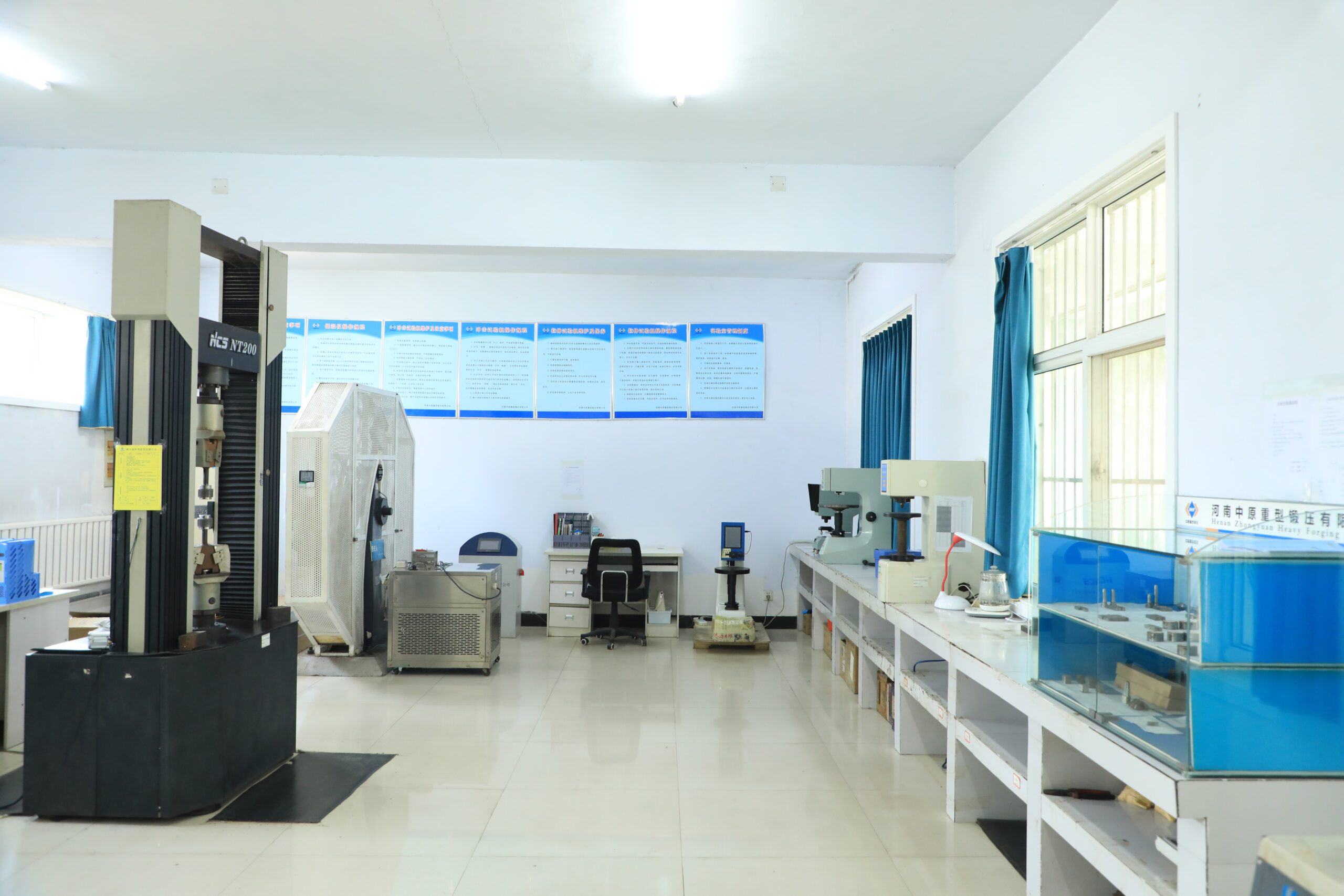
02 What we can say for sure: For the selected roller reamer, the quotation identifies the in-process and final inspection scope and required records. Third-party inspection by SGS, DNV, or another qualified provider can be arranged for the selected order. This is not to be regarded as particularly exceptional, of course, by oilfield tooling specialists but what we would particularly bring to your notice is the fact that the 12-model parameter table is an ordering reference and must be confirmed against the selected supplier drawing and quotation.
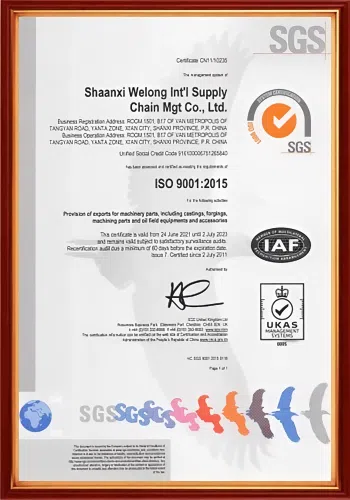
Process Documentation and Inspection
Quality management system (per Welong’s published specification)
API Spec 7-1
Rotary drill stem element design/dimensional requirements
In-Process + Final Inspection
Scope confirmed per order
SGS / DNV
Third-party inspection on request
03Confirm current product documentation and qualification requirements directly with the supplier before ordering.
04 China Welong was founded in 2001, and the quality questionnaires our clients send us have long requested exactly this kind of information — a live, direct link to the actual registry, not a certification file download. Whether it is a 6 in or a 42 in tool, that verification process starts at API’s own registry when you qualify a new supplier. Unlike a company that hangs a badge on the wall and hopes nobody checks, we tell you exactly where to check for yourself.
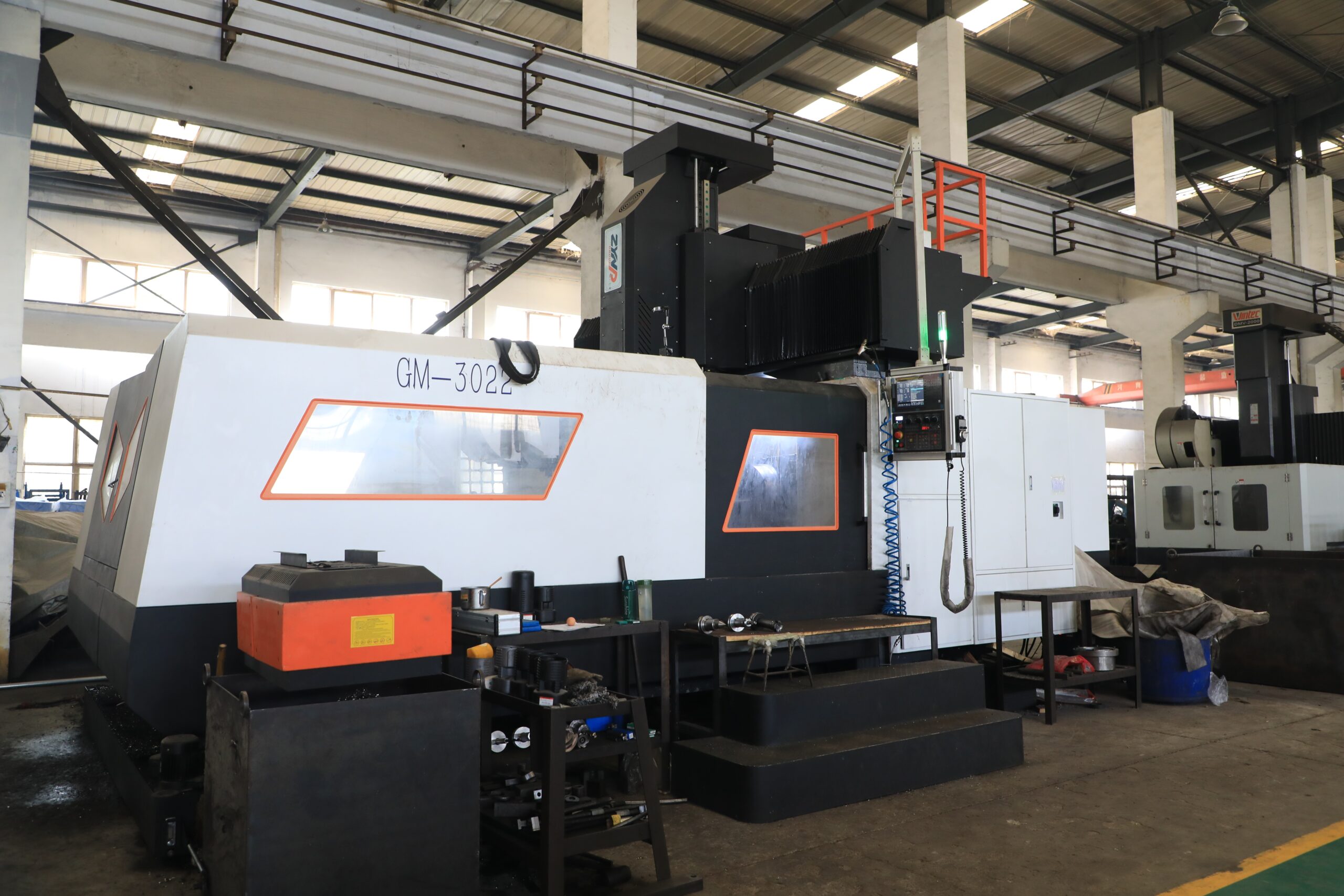
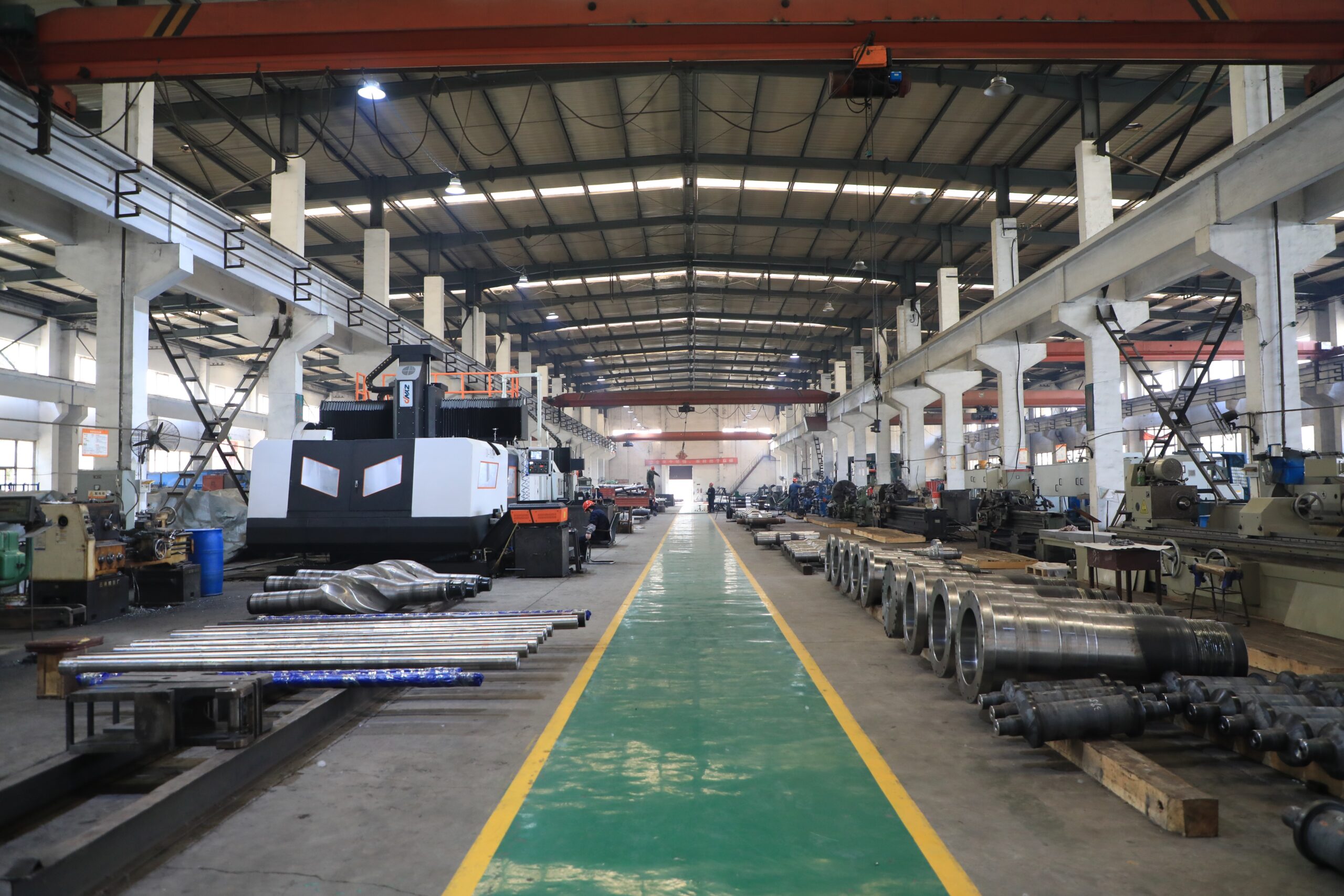
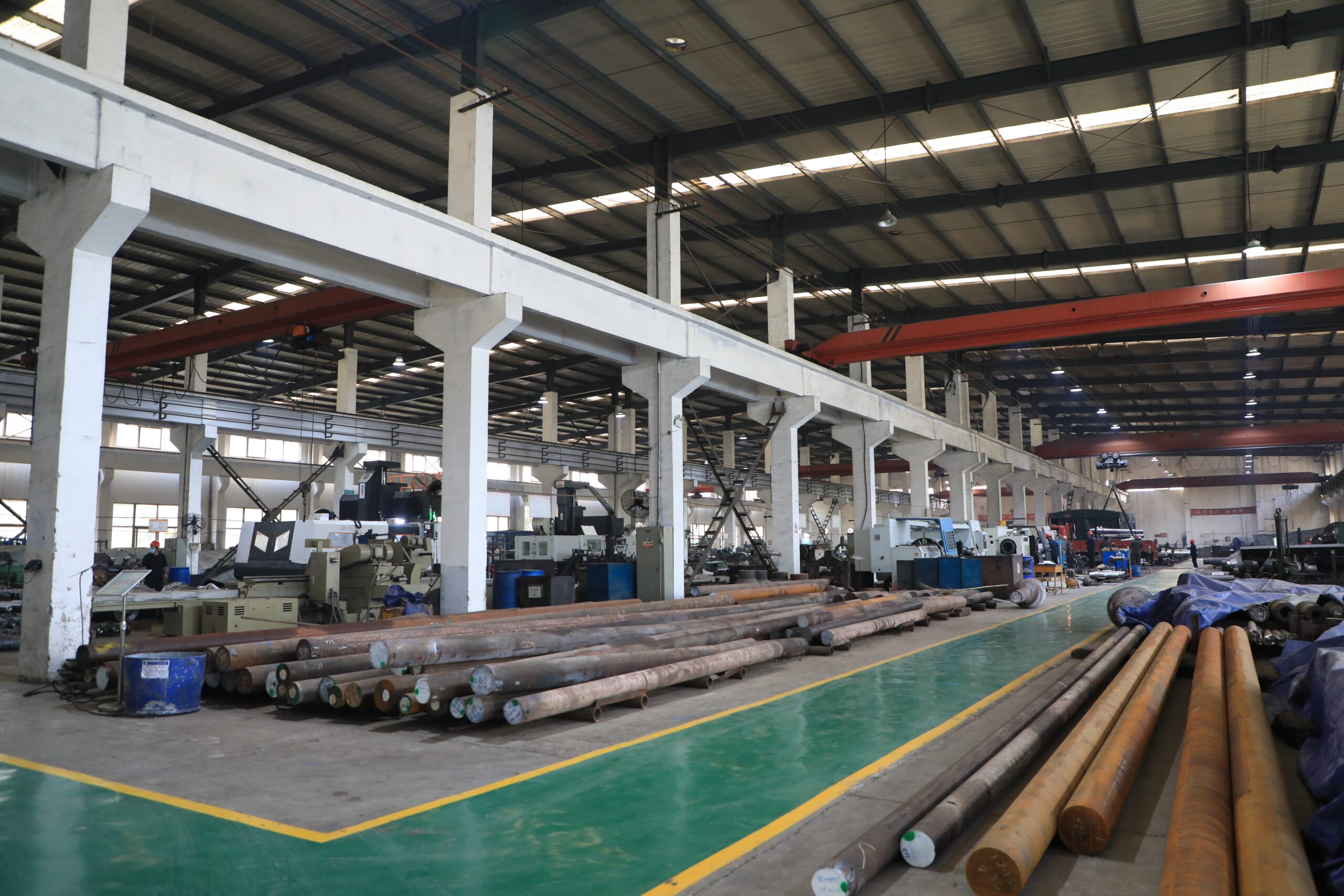
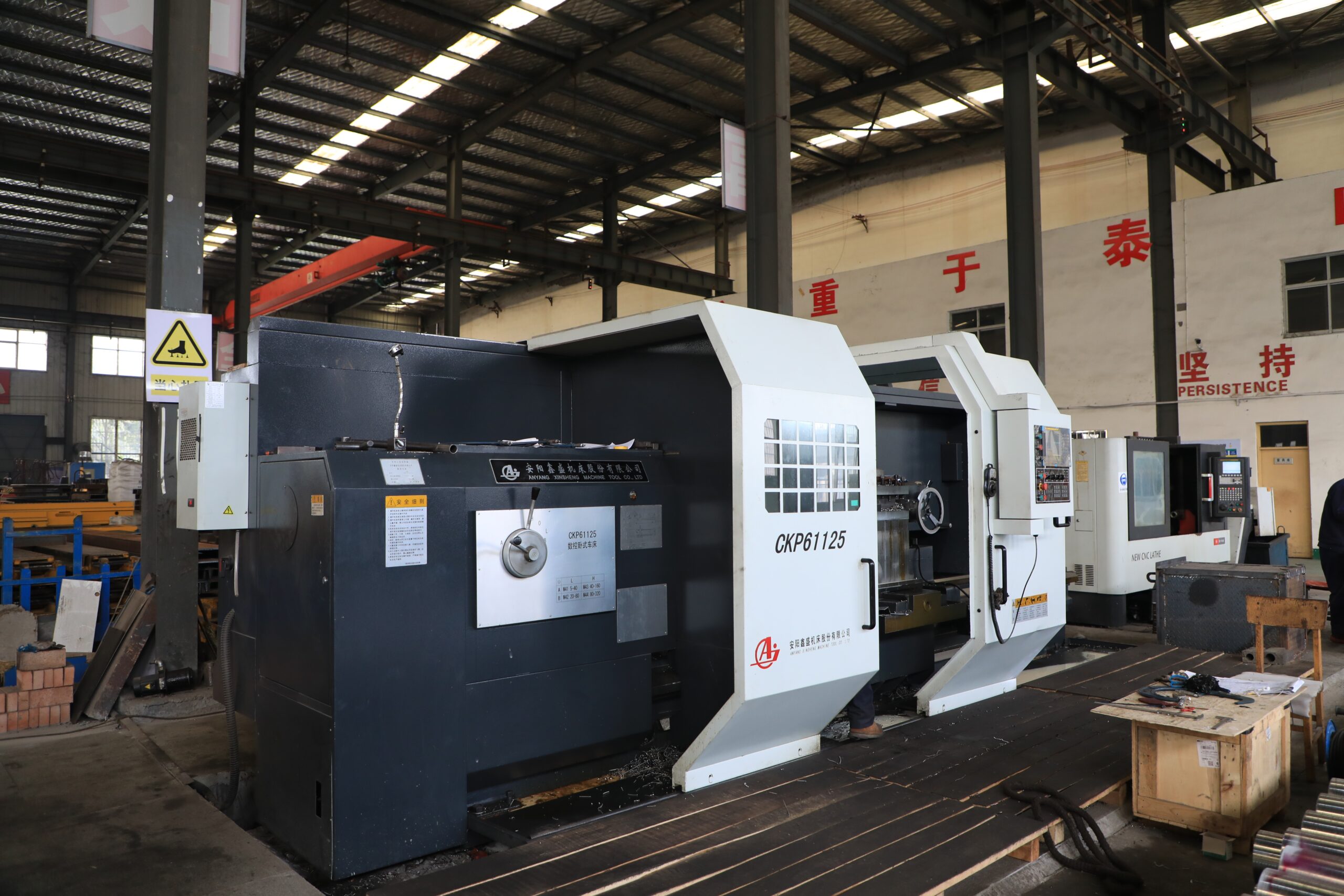
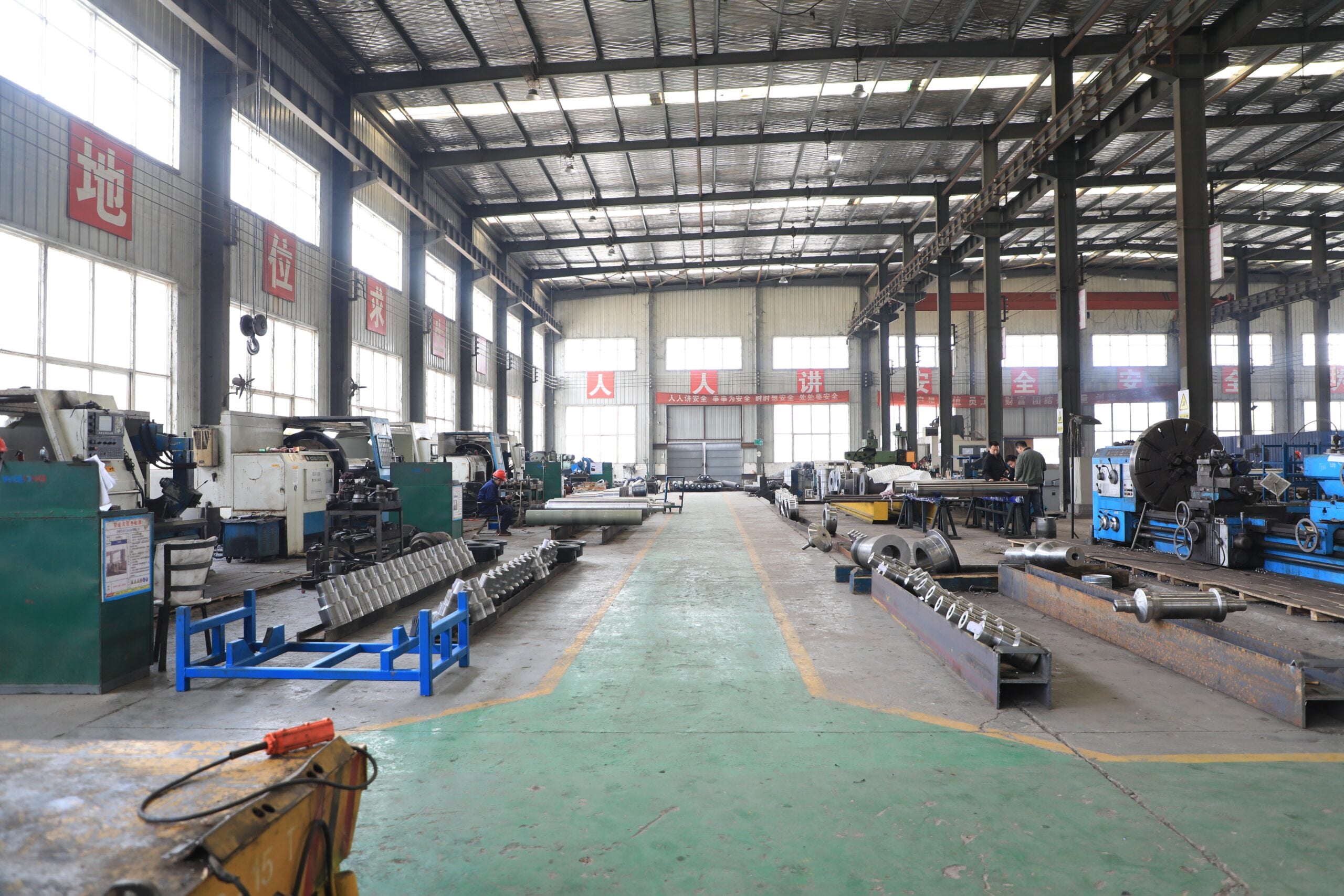
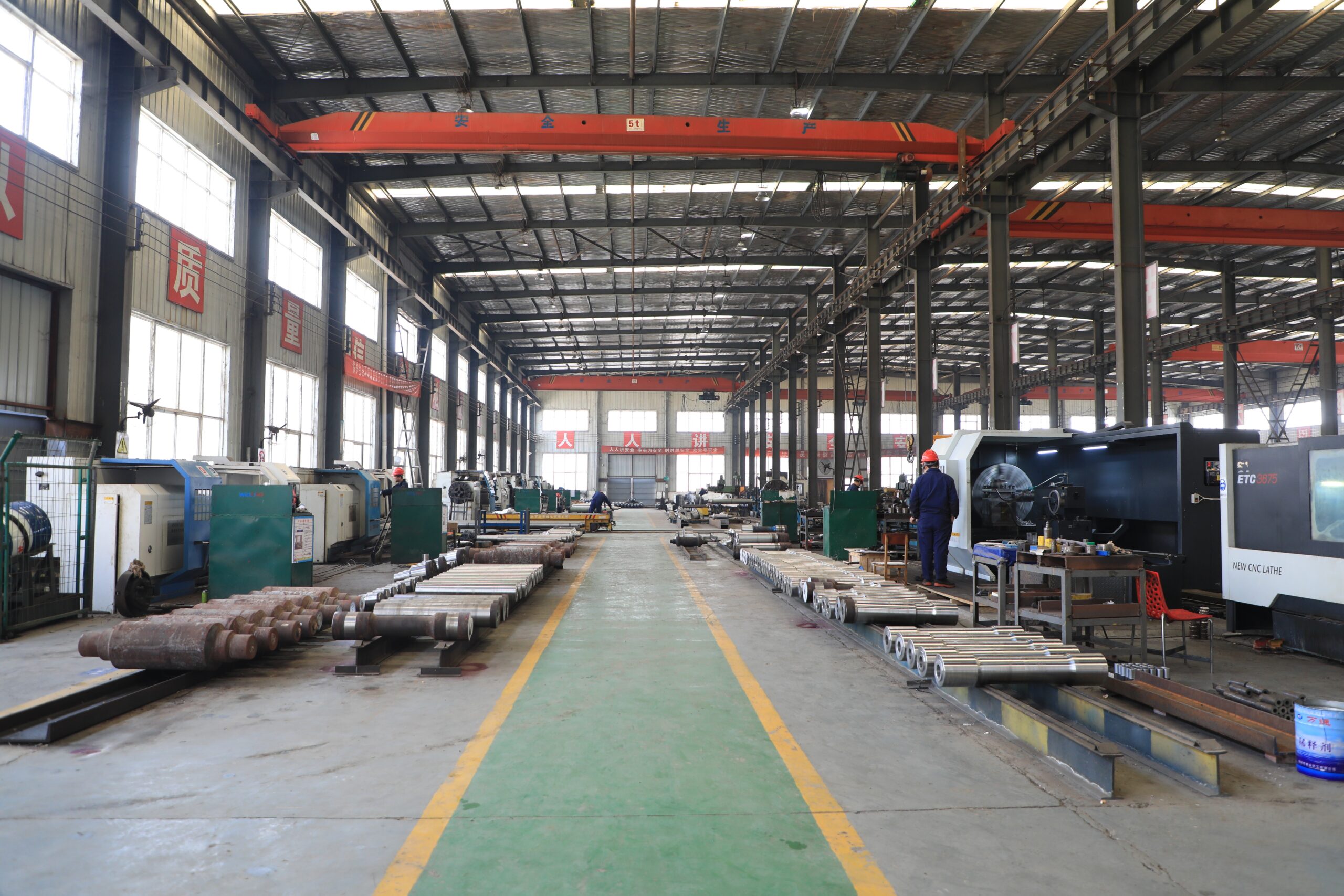
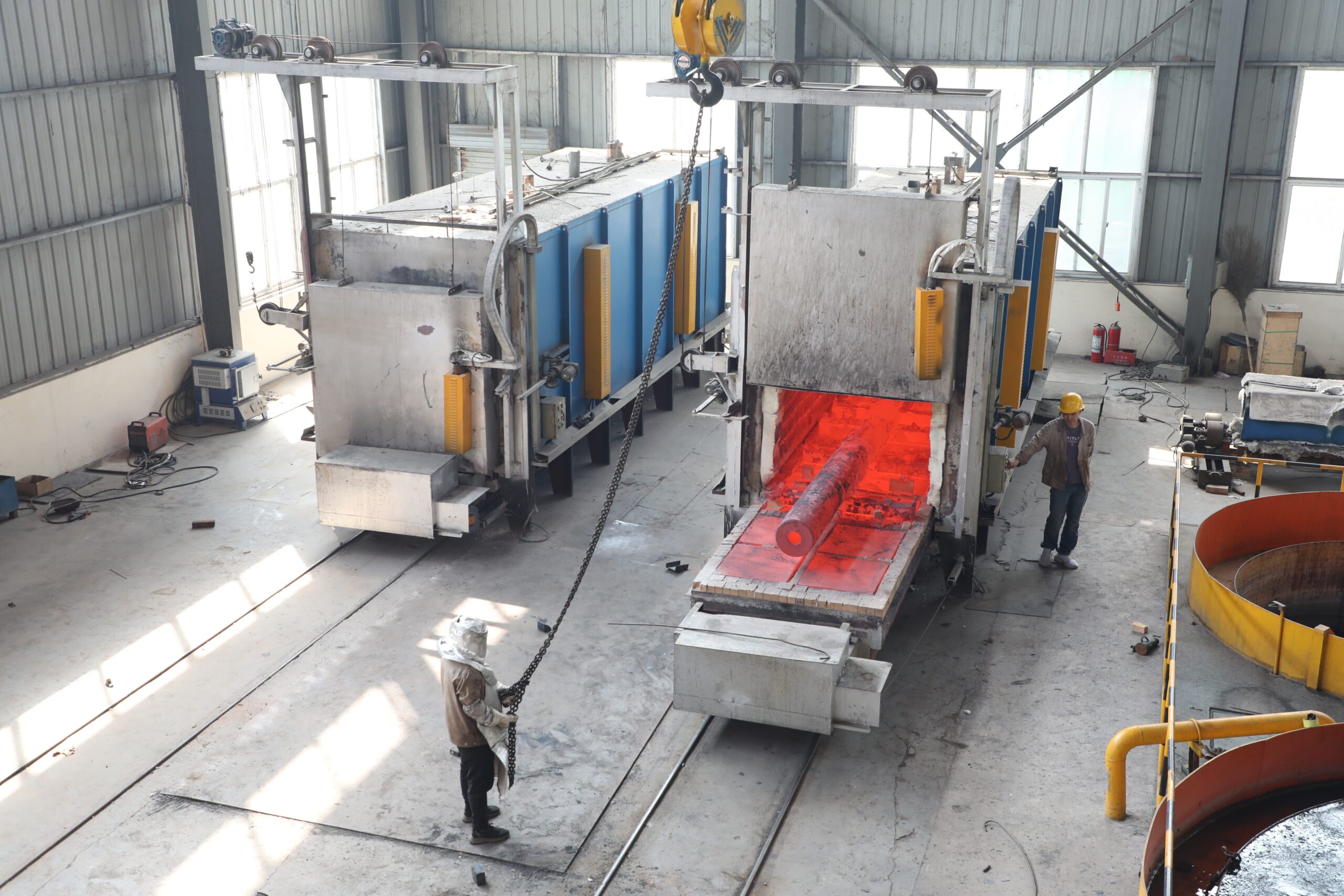
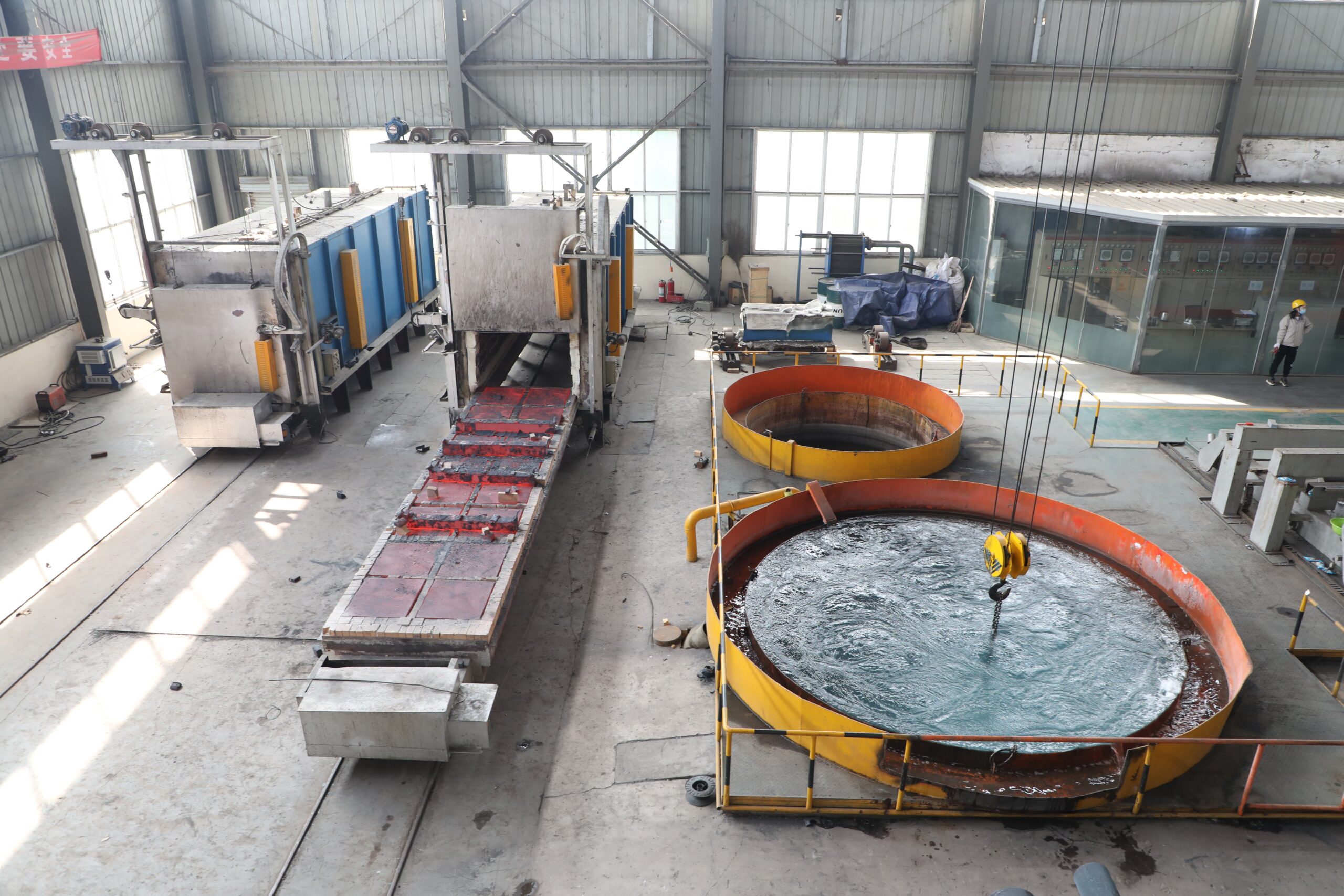
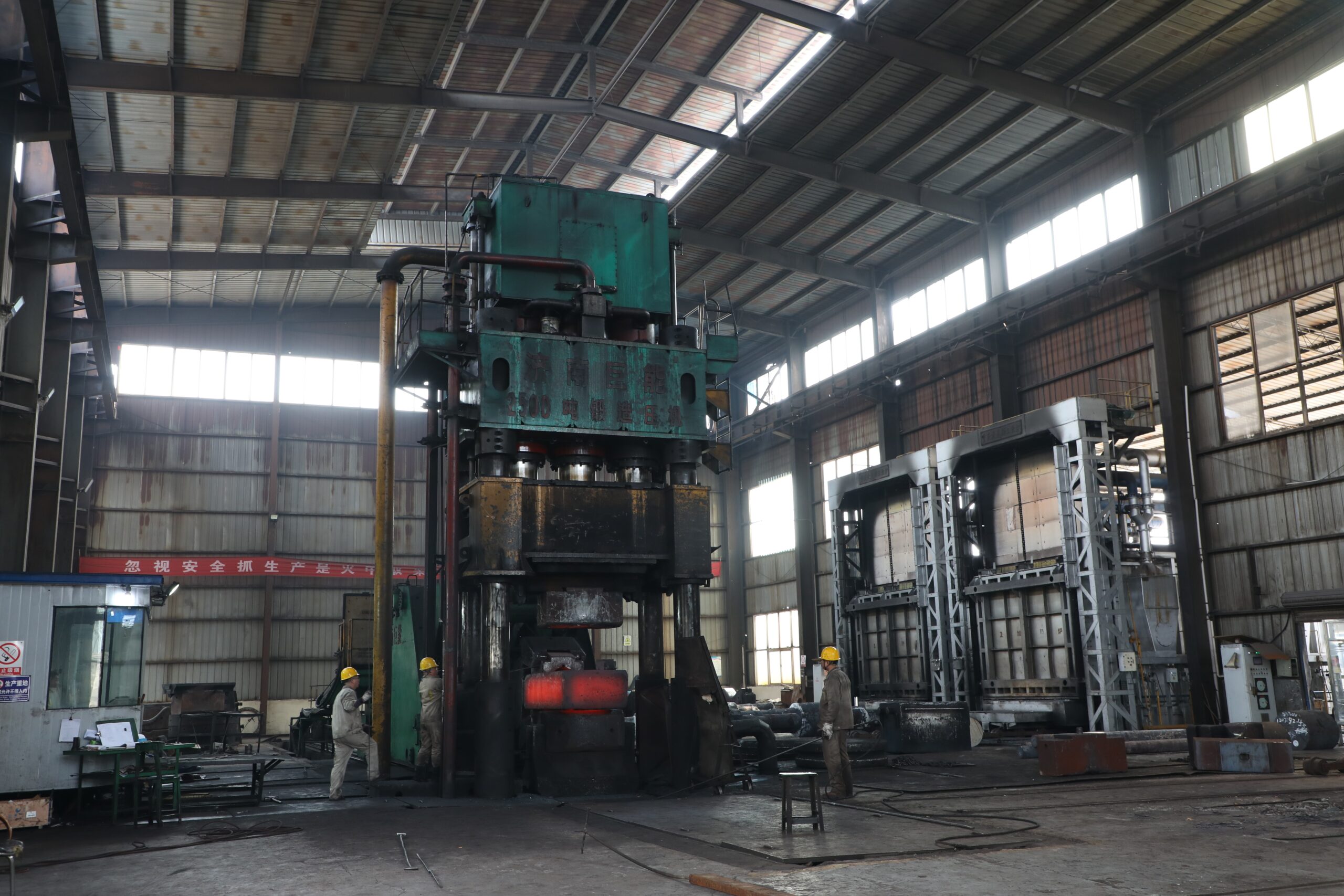
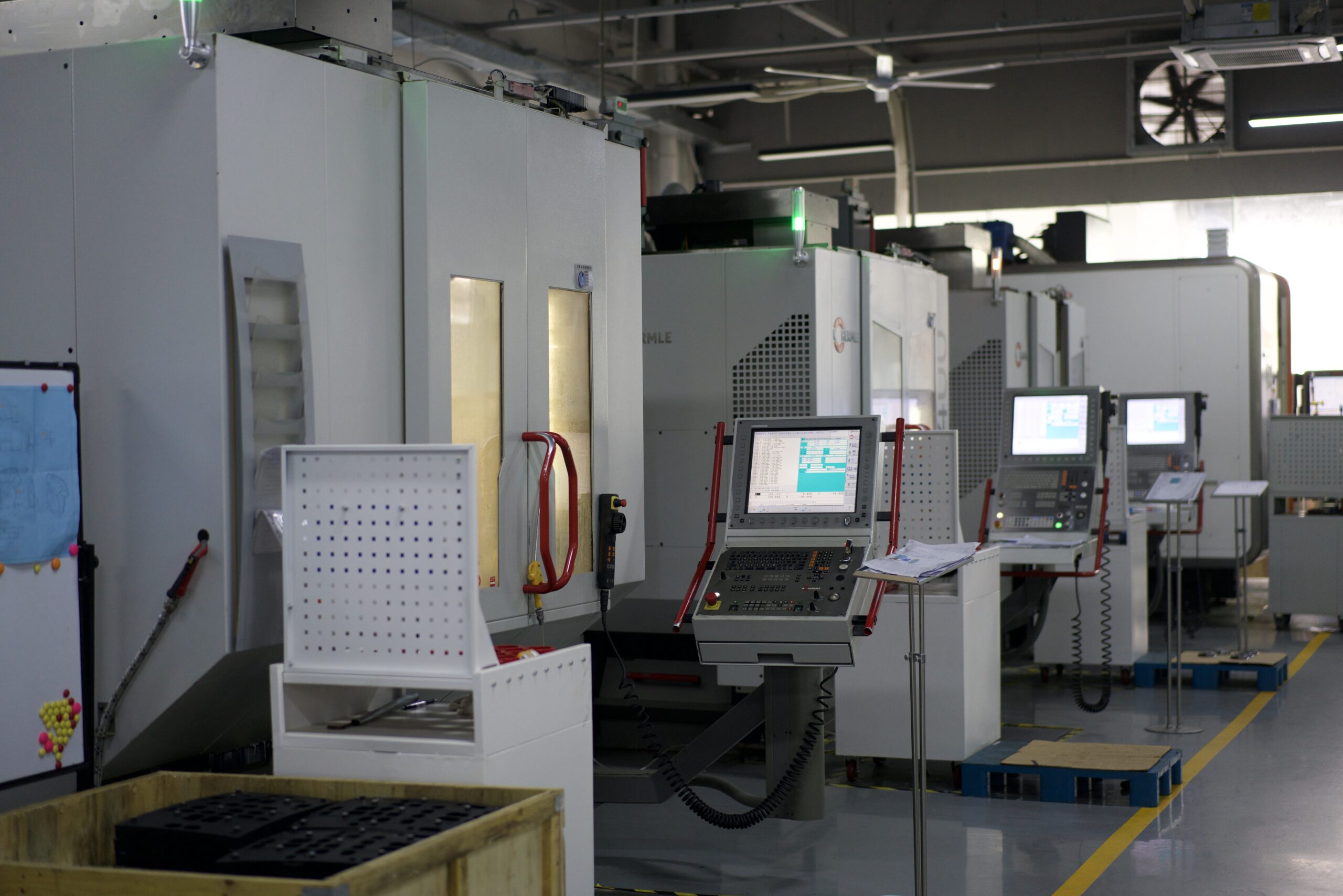
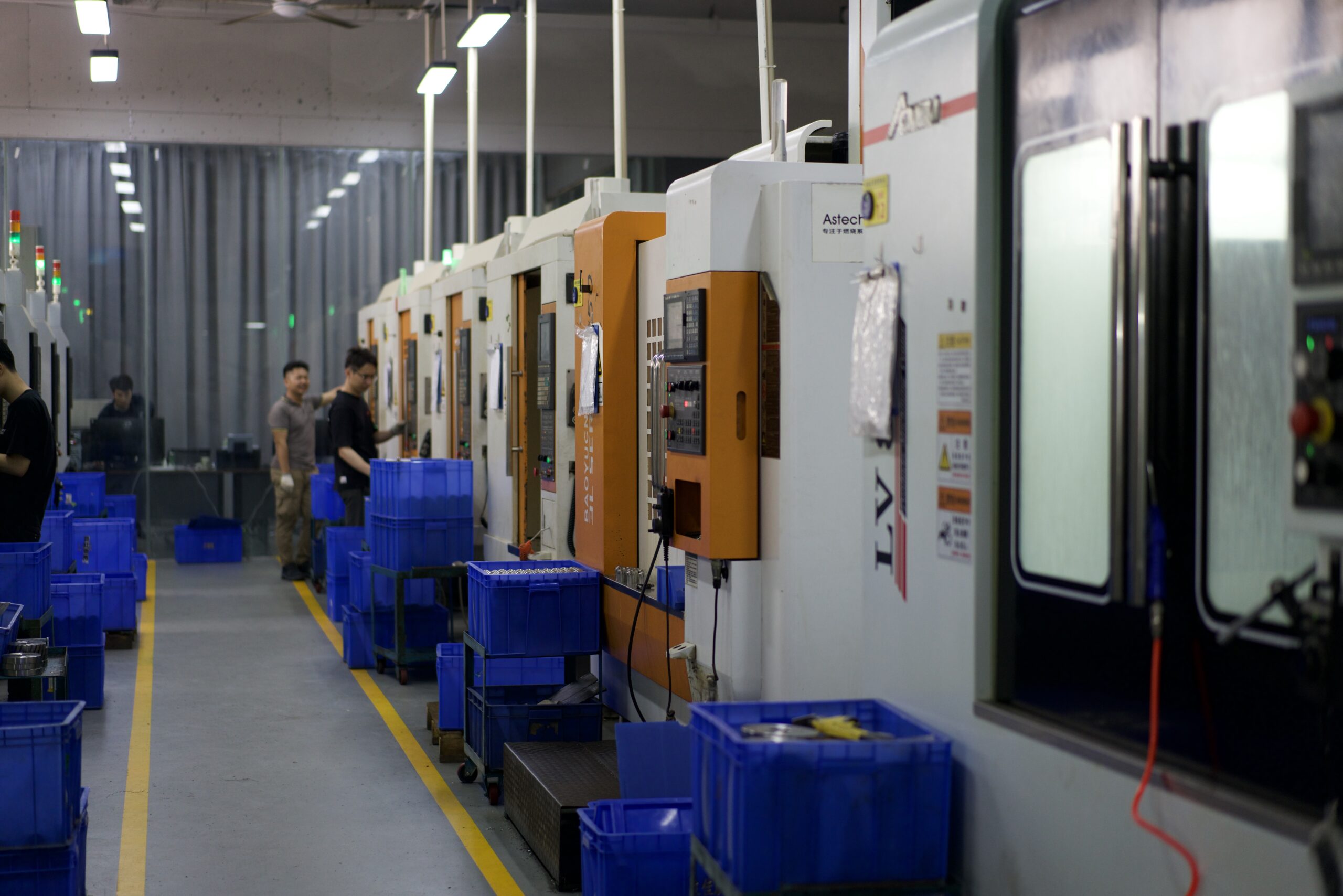
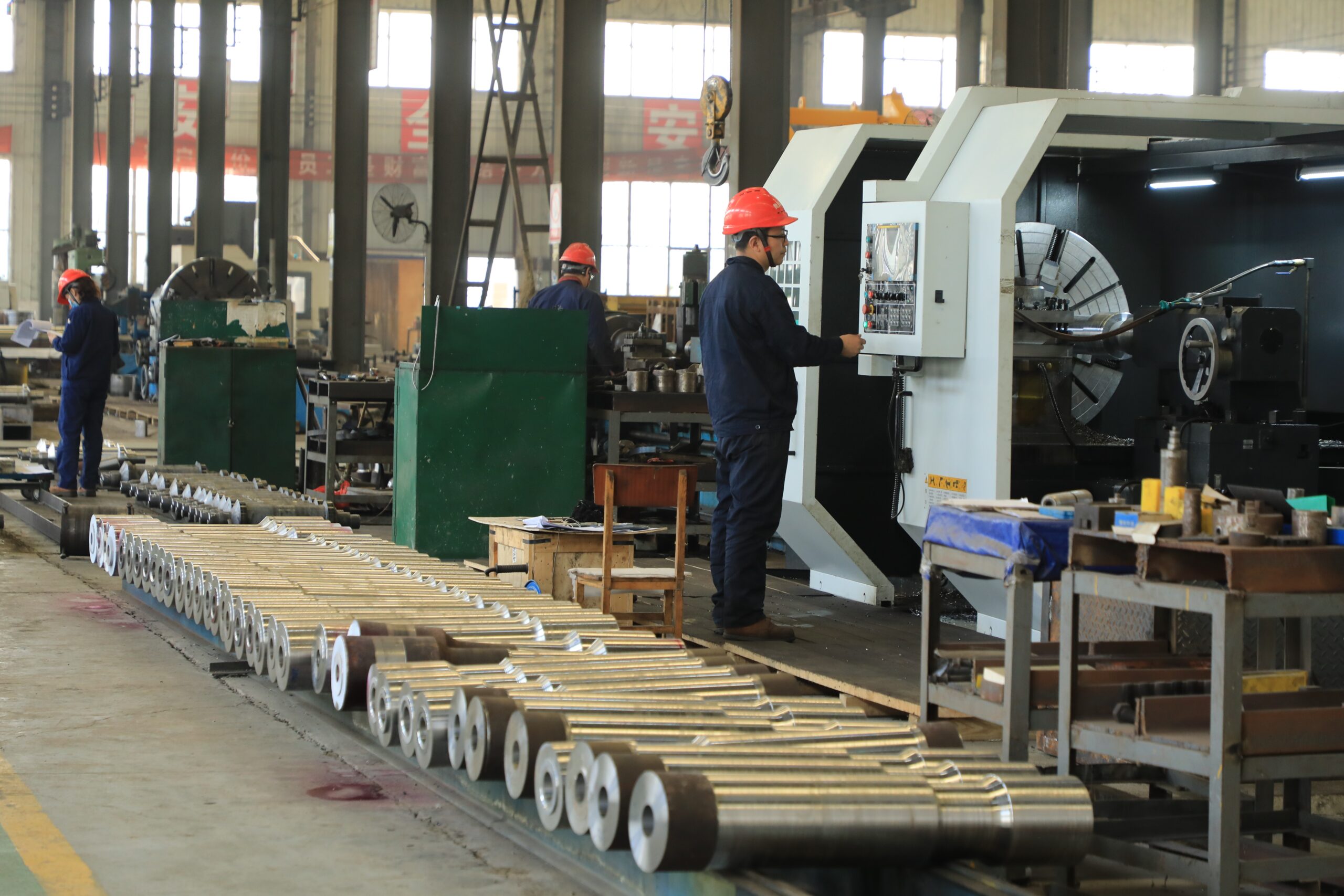
Manufacturing Infrastructure & Production Scale

Roller Reamer Engineering & Selection Tools
Roller Reamer Model & Connection Selector
Enter your target hole size and preferred connection style to find the matching WLRR model from Welong’s 12-model range.
Access ToolRoller Reamer vs Hole Opener vs Fixed-Blade Stabilizer — Which Tool Do You Need?
Answer two questions to confirm which BHA tool matches your job — a common ordering mistake is confusing these three.
Access ToolFormation-Matched Roller Cutter Advisor
Select your formation type to see which of Welong’s three roller cutter types often applies. This is a starting point — send your offset-well data for a confirmed recommendation.
Access ToolNear-Bit or String — Placement Quick Check
Where is your dogleg severity or hole-quality concern concentrated?
Access ToolRFQ Builder
Compile your requirements into a summary to send with your quote request — no need to write it all out from scratch.
Access ToolFrequently Asked
Questions (FAQ)
Interaction Hub
0 / 9 Viewed
Select any question on the right to view details and technical specifications.
Can I run the roller reamer in the same drilling assembly as other vibration-reducing tools?
Yes, roller reamers are routinely run alongside shock subs, additional stabilizers, and other vibration-mitigation tools in the same BHA – that combination is common practice on wells where stick-slip is already a known problem, not an exception. Effective vibration management depends on the full centralization plan for the assembly, not any single tool in isolation, so we will ask about every other component in your BHA (position, count, and outer diameter of each centralizer) before confirming placement, as detailed in the “Placement” section above.
Where should the Roller Reamer be placed in the drill string?
A near-bit placement for the hole ensures the tool is immediately behind the cutting face, ideal for managing concentrated risks such as dogleg and keyseating close to the bit. String placement, on the other hand, is more suitable for controlling gauge and overall wellbore stability over longer intervals, as explained in the “Near-Bit or String” section.
What is the difference between a hole opener and a reamer bit?
A hole opener is intended to increase the hole diameter beyond the initial bit’s gauge and is usually deployed in several stages. The cutters of a roller reamer are often sized to be equal to or slightly less than the bit’s gauge and are designed to restore and maintain gauge and ensure smooth borehole operation, not enlarge it. A comparison of the hole opener and roller reamer can be found in the table above.
Do you offer roller reamers in configurations other than 3-point?
Welong’s catalog range consists of three-point designs (three roller cutters per tool, aligning with the 12 models above). Other vendors have four and six point rolling cutter reamers for specialized torque-load and hole size combinations. If your program calls for different point counts, please contact us for a custom solution.
Can a roller reamer be used for sour (H2S) service?
The catalog tool bodies are specified in oilfield grades such as AISI 4145H, AISI 4145H MOD, and AISI 4330V – these are standard oilfield alloys, and standard-grade tooling is not automatically NACE MR0175 / ISO 15156 certified for H2S-containing environments. Material grade selection and sour-service qualification are two separate specifications: tell us at the time of order if your well program requires sour service, and our engineering team will confirm in writing what qualification the specific model and heat treatment can support before you commit to a PO, rather than assuming standard tooling covers it.
What Incoterms and shipping options are available?
We offer standard delivery terms including FOB, CIF, DDP, and DDU, by sea, air, and rail. Refer to our Procurement Guide above to understand the scope of each term, as well as factors that influence actual order lead time.
How does a roller reamer reduce downhole torque compared to a fixed-blade stabilizer?
Less contact area, and it rolls instead of drags. See the comparison table above for the full mechanism-by-mechanism breakdown.
What quality inspection does Welong perform before shipment?
For the selected order, the quotation identifies the in-process machining checks and final pre-shipment inspection scope. SGS and DNV third-party inspections can also be arranged upon request. For more information about our certifications, see “Roller Reamer Procurement Review” above.
Can the roller reamer’s cutters be replaced on the rig floor?
Yes. Roller cutters and pins are designed for field replacement per standard industry practice for this tool. Please contact us to request the product specification sheet for your tool, which includes the relevant torque values and replacement procedure.
Procurement & Capability
Roller Reamer Capability Review
China Welong reviews the buyer drawing, product specification and inspection scope before quotation.
This review is scoped to the Roller Reamer configurations set out in the specification table on this page — 6 documented rows covering Model, Connection, Hole Size and Fishing Neck.
24 hEngineer-reviewed quotation on business days
2001Founded in 2001
30+30+ engineers on staff
5 yrStamped serial traceability
Quotation Scope and Commercial Terms
Pricing is prepared against the selected product configuration, material route, inspection scope and shipment terms.
- Quotes are returned within 24 hours on business days, reviewed by an engineer.
- T/T or L/C by wire transfer.
- We ship EXW, FOB, CFR or CIF; other Incoterms on request.
- We work from 2D drawings and 3D CAD models (AutoCAD, Pro/ENGINEER, SolidWorks; .dwg and .igs).
Production Planning
Production timing is confirmed with the quotation after quantity, process route and finishing scope are reviewed.
- We hold agreed items in stock and ship against your release to shorten delivery. Feasibility is confirmed at drawing review.
- Manufacturing at Xi'an, Shaanxi and at Jiyuan, Henan.
- 0.01 mm machining precision.
- Material standards to ISO, BS, ASTM, ASME, DIN, JIS and GB.
- Orders ship in standard export wooden cases, or the packing you specify.
Order Review and Responsibility
The responsible manufacturer, inspection scope and document package are identified for the selected item.
- Every quotation states whether the item is made in our own works or by an approved supplier we developed and supervise.
- We develop, audit and supervise the mills and workshops that make your parts: material mills are re-audited every two years and approved by Welong before they run your order.
- Forgings from 0.2 to 50 tons.
Specification and Inspection Evidence
The specification table on this page is the technical basis for this review: its numeric rows define what we quote, manufacture and inspect against.
- Each piece carries a stamped serial number and stays traceable for five years to its chemical composition, mechanical properties and measurement report, with the test coupon retained.
- An EN 10204-3.1B material certificate with chemical composition and mechanical properties, a dimensional measurement report, and UT and MT reports ships with your order.
- Inspection is by coordinate measuring machine, ultrasonic, magnetic particle and X-ray.
Request a Product Review
Send the drawing, product specification and inspection requirements for a quotation review.
![Choke & Kill Hose: [Field Guide]](https://welongoiltools.com/wp-content/uploads/2026/07/choke-kill-hose-guide-featured-1-150x150.png)